Plan Sharad Navratri 2025 USA: 9 Nights Calendar & Timings with city-wise muhurat, Ghatasthapana, Ashtami/Navami puja slots, fasting tips. Bookmark & plan.
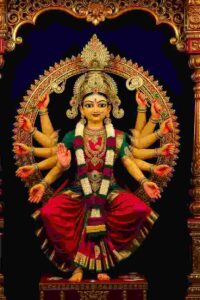
Sharad Navratri 2025 USA: 9 Nights Calendar & Timings
More than a million families in the U.S. observe the nine auspicious nights of Sharad Navratri each year—lighting diyas, singing aarti, and celebrating Devi’s victory over negativity. If you’re planning for Sharad Navratri 2025 USA: 9 Nights Calendar & Timings, this guide gives you everything you need in one place. You’ll learn how to confirm city-specific muhurat, plan Ghatasthapana, schedule Ashtami/Navami pujas, and coordinate garba nights—all across U.S. time zones.
Inside, you’ll get a projected 2025 calendar (with verification steps), time-zone notes, daily puja guidance, fasting and menu tips, and a family-friendly routine that actually works on school/work nights. Additionally, you’ll find volunteer ideas, safety and etiquette notes, and city-by-city pointers so you can celebrate with confidence.
Table of Contents
- Quick Answer: 2025 Dates at a Glance (Projected—Verify Locally)
- What Is Sharad Navratri? The 9 Nights at a Glance
- How the Navratri Calendar Works (Tithi, Time Zones, and Muhurat)
- Projected 2025 USA Calendar by Time Zone
- Ghatasthapana Guide: Step-by-Step and Best Practices
- Daily Puja Routine: Morning-Evening Timings That Fit a Workday
- Ashtami, Navami, and Kanya Puja: When and How
- Vijayadashami (Dussehra): What to Expect the Day After
- City Pointers: How to Confirm Timings in 12 U.S. Metros
- Fasting & Food: Practical Menus for 9 Nights
- Garba & Dandiya Overlay: Plan Your Dance Nights
- Family, Safety, and Temple Etiquette
- Volunteer, Sponsor, or Host a Bhajan Night
- Photo & Social Tips (Without Disrupting Puja)
- Key Statistics and Sources
- Related Guides (Internal Links)
- External Resources
- FAQ: Your Top Questions Answered
- Conclusion and Call-to-Action
Important: All dates and timings are based on lunar tithis and change by location. Always verify your city’s muhurat on a reliable panchang and your local temple’s schedule 48 hours before each observance.
Quick Answer: 2025 Dates at a Glance (Projected—Verify Locally)
Use this as your fast planning snapshot, then confirm locally.
- Projected 9 Nights (most U.S. time zones): Sep 23–Oct 1, 2025
- Projected Vijayadashami (Dussehra): Oct 2, 2025
- Ghatasthapana (Kalash Sthapana): Day 1 morning, within Pratipada, after sunrise
- Maha Saptami: Sep 29 (projected)
- Maha Ashtami: Sep 30 (projected)
- Maha Navami: Oct 1 (projected)
Featured Snippet answer (fast)
- How to get your exact city timings:
- Open a reliable panchang, set your city, confirm Pratipada start, note Ghatasthapana muhurat after sunrise, and re-check Ashtami/Navami and Dashami 48 hours before.
What Is Sharad Navratri? The 9 Nights at a Glance
Sharad Navratri honors the Divine Mother (Devi) over nine nights, culminating in Vijayadashami. Each night aligns with a tithi (lunar day), and many families perform daily aarti, chant stotras, and observe vrat (fasts). Some communities also attend garba and dandiya nights tied to the festival.
- Day 1 (Pratipada): Ghatasthapana (kalash), Shailaputri worship
- Day 2 (Dwitiya): Brahmacharini
- Day 3 (Tritiya): Chandraghanta
- Day 4 (Chaturthi): Kushmanda
- Day 5 (Panchami): Skandamata
- Day 6 (Shashthi): Katyayani
- Day 7 (Saptami): Kalaratri
- Day 8 (Ashtami): Mahagauri (often with Kanya Puja)
- Day 9 (Navami): Siddhidatri (some households do Kanya Puja this day)
- Day 10 (Dashami): Vijayadashami/Dussehra celebrations
How the Navratri Calendar Works (Tithi, Time Zones, and Muhurat)
- Tithi vs. date: Navratri follows tithis, not the civil date. A tithi can span parts of two civil days and varies by longitude/time zone.
- Time zones matter: A tithi that starts on the evening of Sep 22 in California might start after midnight in New York, shifting “Day 1” by a date. That’s why you must check your city’s panchang.
- When to perform Ghatasthapana: Traditionally during Pratipada, after sunrise, avoiding inauspicious periods (like Chitra Nakshatra or Vaidhriti Yoga). Your panchang will indicate a Ghatasthapana muhurat.
- Ashtami/Navami: Many families perform Kanya Puja on Ashtami or Navami based on local tithi timings. If Ashtami overlaps minimally with the day, the panchang may advise Navami Kanya Puja instead.
- Vijayadashami: Dashami muhurat usually falls on the next civil day after Navami. Many U.S. communities schedule cultural events on the nearest weekend for convenience.
Takeaway: Plan with a panchang set to your exact city and time zone. Treat any generic nationwide date list as a projection, not a final authority.
Projected 2025 USA Calendar by Time Zone
Below is a practical, family-planning view for 2025 based on typical lunar progressions. Treat this as a projection. Confirm in your city-specific panchang and temple bulletin before finalizing rituals.
Projected 9 Nights (by U.S. time zones)
- Eastern (ET): Likely Sep 23 (Day 1) through Oct 1 (Day 9); Vijayadashami Oct 2
- Central (CT): Likely Sep 23–Oct 1; Vijayadashami Oct 2
- Mountain (MT): Likely Sep 23–Oct 1; Vijayadashami Oct 2
- Pacific (PT): Likely Sep 23–Oct 1; Vijayadashami Oct 2
- Alaska (AKT): Likely Sep 22/23–Sep 30/Oct 1; Vijayadashami Oct 1/2
- Hawaii (HST): Likely a partial one-day shift earlier on select tithis; verify locally
Projected tithi-to-date mapping (most U.S. metros)
- Day 1: Pratipada — Sep 23
- Day 2: Dwitiya — Sep 24
- Day 3: Tritiya — Sep 25
- Day 4: Chaturthi — Sep 26
- Day 5: Panchami — Sep 27
- Day 6: Shashthi — Sep 28
- Day 7: Saptami — Sep 29
- Day 8: Ashtami — Sep 30
- Day 9: Navami — Oct 1
- Day 10: Dashami (Vijayadashami) — Oct 2
Notes
- If a tithi starts late at night or ends before sunrise in your city, your panchang may recommend shifting certain observances (e.g., Kanya Puja) to the next day with stronger tithi presence.
- Temples may schedule community aarti/garba on weekends even if the tithi is midweek. Personal puja can follow the exact tithi; public events can follow convenience.
Ghatasthapana Guide: Step-by-Step and Best Practices
Ghatasthapana (Kalash Sthapana) anchors your nine nights. Perform it on Day 1 (Pratipada), during the Ghatasthapana muhurat after sunrise.
What you’ll need
- A clean copper/steel kalash with fresh water
- Mango or betel leaves, coconut, red/white cloth
- Akshata (rice), haldi-kumkum, flowers, incense, diya
- Samagri for Durga Saptashati or your preferred stotra/jap
- Barley seeds/soil for sprouting (optional, where space allows)
How to do it (home-friendly sequence)
- Clean the puja space; face east or north if possible.
- Spread a clean cloth; place soil or a plate with barley seeds (optional).
- Fill the kalash with water; add a coin and a few grains of rice.
- Arrange mango/betel leaves on the kalash mouth; place a coconut wrapped in cloth on top.
- Apply haldi-kumkum to the kalash; tie mauli (sacred thread) if you have it.
- Invoke Devi, light a diya, and offer flowers, dhoop/agarbatti, and a simple aarti.
- Recite Durga Saptashati stotras or a short prayer you can sustain daily.
- Commit to a daily aarti time (morning/evening) that the family can keep.
Best practices
- Keep the puja area safe from pets and little hands; use LED diya if needed.
- Replace flowers and water regularly; keep the area clean and calm.
- If mornings are busy, do a short sankalp in the morning and a fuller aarti in the evening.
Daily Puja Routine: Morning-Evening Timings That Fit a Workday
Most families can sustain a simple rhythm.
Morning (10–15 minutes)
- Short sankalp (intention)
- Light diya, offer flowers, and recite a short stotra (e.g., Devi Kavach or Argala)
- Close with a tiny aarti and prasad (dry fruit works well on weekdays)
Evening (20–30 minutes)
- Light diya, incense; chant a longer stotra or bhajan playlist
- Offer fruit/sweet prasad; include kids in simple offerings
- Aarti together; split roles so everyone participates
Timing tips
- Aim for aarti within your city’s “good muhurat” windows when possible, but consistency beats perfection. Keep the heart of bhakti strong and the home peaceful.
Ashtami, Navami, and Kanya Puja: When and How
Kanya Puja (Kanjak) is commonly done on Ashtami or Navami, depending on your local tithi presence after sunrise.
How to decide
- Check your city panchang for Ashtami presence after sunrise. If Ashtami ends before sunrise or is very short, panchangs often recommend Navami Kanya Puja.
- If both are viable, choose the day that aligns with your family and temple schedule.
Simple Kanya Puja steps
- Invite 1–9 girls (traditionally under age 10) and, optionally, one boy (Batuk).
- Wash feet (symbolically or with a drop of water), apply haldi-kumkum, offer flowers.
- Serve simple prasad/meal: puri, chana, halwa (or vrat-friendly alternatives).
- Offer a small gift or dakshina; seek their blessings.
Home-friendly alternative
- If inviting guests isn’t feasible, offer prasad to Devi at home and donate grocery or meal kits to a local shelter/temple as your Kanya Puja seva.
Vijayadashami (Dussehra): What to Expect the Day After
Vijayadashami marks the triumph of dharma. Many households:
- Do Shastra/Ayudha Puja (honoring tools/books)
- Start a new study or project for auspicious beginnings
- Visit temple or community Dussehra programs (Ramlila, Ravana Dahan where permitted)
Timing varies by tithi and city. Confirm your local Dashami muhurat and temple schedule.
City Pointers: How to Confirm Timings in 12 U.S. Metros
Follow this method wherever you live; here are local notes for major hubs.
- New York City/NJ: Use a time zone–aware panchang; check local temples (Flushing, Edison/Iselin, Jersey City, Parsippany) for Ashtami/Navami aarti times and garba weekends.
- Boston/Route 128: Earlier end times; family-friendly slots. Verify temple bulletins for weeknight aartis.
- Washington DC/DMV: Punctual schedules; plan for parking at suburban temples (Fairfax, Herndon, Rockville).
- Chicago (Lemont/Naperville/Schaumburg): Weekday aartis and weekend cultural nights; bring layers for cool evenings.
- Dallas–Fort Worth: Large family crowds; parking plans help. Keep ear protection for kids near speakers.
- Houston/Sugar Land/Stafford: Big temple campuses; check weather and overflow parking maps.
- Austin/San Antonio: Scenic campuses with organized aarti windows; fast sign-ups for Kanya Puja slots.
- Bay Area (Fremont/Sunnyvale/Livermore/San Jose): BART + rideshare can beat parking; nights cool fast—carry a light jacket.
- Los Angeles/Orange County: Structured evening aartis; check bag policies for large events.
- San Diego/South Bay: Early family timings and calm weeknights.
- Seattle/Bellevue/Redmond: Strict closing times; plan transit and quick exits.
- Atlanta/Gwinnett: Arena-style nights; confirm temple aartis vs community garba schedules.
Pro move
- Re-check 48 hours before Ashtami/Navami; shifts due to weather or permits are common for large public events.
Fasting & Food: Practical Menus for 9 Nights
Pick a fasting level that you can sustain peacefully.
Common fast types
- Phalahar: Fruit, milk, nuts, and light vrat foods
- Ekadashi-style grains: Sabudana, kuttu/singhara flours, samak rice
- One-meal-per-day: Simple, sattvic dinner after aarti
- Full fast on Ashtami/Navami: Break with prasad after Kanya Puja
Easy vrat menu ideas
- Breakfast: Fruit + yogurt; sabudana kheer (lightly sweetened)
- Lunch: Samak rice + aloo peanut sabzi; cucumber raita
- Dinner: Kuttu puri + vrat aloo + dahi, or baked sweet potato + paneer sauté
- Snacks: Roasted makhana, dates, coconut water
- Sweets: Shrikhand, kheer with jaggery, milk peda (check ingredients)
Hydration & balance
- Drink water through the day; herbal teas help.
- Break fast gently; avoid heavy fried foods if you’re not used to them.
Garba & Dandiya Overlay: Plan Your Dance Nights
Many U.S. communities dance on weekend nights within the Navratri window.
- Skill levels: Friday/Saturday nights tend to be crowded and high-energy. Look for Sunday family sessions for beginners.
- Dress & safety: Breathable outfits, supportive shoes, and secure dupattas. Foam sticks for kids.
- Aarti timing: Many events pause for aarti in the middle—beautiful for photos and reflection.
See our related garba guide (internal link below) for city-by-city dance notes and ticket tips.
Family, Safety, and Temple Etiquette
Keep devotion front and center with a few simple habits.
- Shoes: Remove where posted; keep aisles clear.
- Kids: Outer edge viewing during crowded aarti; ear protection near speakers.
- Phones: Silent mode; short clips only; no flash during aarti.
- Cleanliness: Use trash/compost bins; keep temple grounds tidy.
- Respect: Ask before filming individuals up close; follow volunteer guidance.
Volunteer, Sponsor, or Host a Bhajan Night
Seva deepens the festival.
- Volunteer roles: Aarti setup, prasadam service, ushering, shoe area, kids’ crafts, cleanup
- Sponsor options: Flowers, garlands, sound, lighting, food distribution, scriptures (Shastra Daan)
- Home satsang: Host a 30–40 minute bhajan evening with neighbors; share prasad and peace
Benefits
- Children learn service and leadership.
- Temples manage crowds and deliver a calm, devotional experience.
Photo & Social Tips (Without Disrupting Puja)
- Composition: Step back to include diya glow and family togetherness.
- Timing: Shoot during bhajans or pre-aarti, then pocket the phone for the aarti itself.
- Respect: Avoid blocking sightlines; ask before close-ups of people.
- Share: Tag your temple and thank volunteers; invite friends to visit during the Kartik month that follows.
Key Statistics and Sources
- Hindus comprise about 1% of U.S. adults, concentrated in major metros. Source: Pew Research Center—Religious Landscape Study
- Indian immigrants in the U.S. numbered about 2.7 million in 2021. Source: Migration Policy Institute
- People of Indian origin (including U.S.-born) number roughly 4.8–5 million. Source: Pew Research Center
- Garba of Gujarat is inscribed on UNESCO’s Intangible Cultural Heritage list (2023). Source: UNESCO
These numbers explain why Sharad Navratri 2025 USA: 9 Nights Calendar & Timings matters from coast to coast—there’s a thriving community in every major region.
Quick links :
Strengthen your planning with these resources:
- Navratri in USA 2025: Garba and Dandiya Nights Guide
- Best Ramlila Performances in USA 2025: Hindu Temple Events and Cultural Programs from Coast to Coast
- Dussehra Celebration in USA 2025: Complete Guide to Events in New York, California, and Texas
- Edison New Jersey Grand Ram Leela Festival 2025: 27th Dussehra
External Resources
Bookmark for accurate timings and logistics:
- Timeanddate—City Sunrise/Sunset (helpful for home puja planning): https://www.timeanddate.com/sun/
- Pew Research Center—Religious Landscape Study (Hinduism in the U.S.): https://www.pewresearch.org/religion/religious-landscape-study/religious-tradition/hindu/
- UNESCO—Garba of Gujarat, Intangible Cultural Heritage: https://ich.unesco.org
Frequently Asked Questions
What are the exact dates for Sharad Navratri 2025 in the USA?
Projected U.S. dates are Sep 23–Oct 1 for the nine nights, with Vijayadashami on Oct 2. Because tithis depend on location, confirm your city’s muhurat on a reliable panchang.
When should I do Ghatasthapana in the U.S.?
On Day 1 (Pratipada) after sunrise, within the designated Ghatasthapana muhurat shown in your city’s panchang. Avoid inauspicious periods if listed.
Should I do Kanya Puja on Ashtami or Navami?
Follow your city-specific panchang. If Ashtami is brief or ends before sunrise, many panchangs advise doing Kanya Puja on Navami.
How can working families keep a daily routine for all nine nights?
Keep mornings short (5–10 minutes) and do a fuller evening aarti (20–30 minutes). Use a simple bhajan playlist and involve children with small tasks like offering flowers.
Are garba nights on the exact tithis?
Sometimes, but many U.S. organizers schedule garba and community events on weekends for convenience. Do your personal puja on the exact tithi and enjoy community dance on the scheduled night.
Can I fast if I’m new to vrat?
Yes—choose a gentle plan like fruit + one sattvic meal. Stay hydrated, listen to your body, and consult a professional if you have medical needs.
How do I avoid traffic and crowd stress at big temple events?
Arrive 30–45 minutes early, use official parking/overflow lots, keep kids at the outer edge for viewing, and leave 10 minutes after aarti to skip the exit rush.
Conclusion
You’re now ready to plan Sharad Navratri 2025 USA: 9 Nights Calendar & Timings with clarity. You know how to confirm your city’s muhurat, set up Ghatasthapana, choose Ashtami/Navami Kanya Puja, and balance puja with school and work. Most importantly, you’ve got a simple, steady routine that keeps devotion strong for all nine nights.
Bookmark this guide and share it with family and friends. Next, open your city panchang, add the nine nights to your calendar, and collect your puja essentials this week. Which city are you celebrating in—and will you do Kanya Puja on Ashtami or Navami? Tell us in the comments!