Find Makar Sankranti 2026 celebrations near me Australia: kite flying & temple events in Sydney, Melbourne & Brisbane, plus home ideas for Indian Australians.
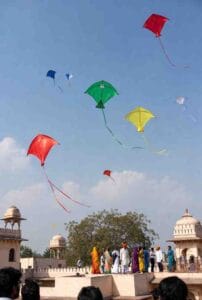
Makar Sankranti 2026 Celebrations Near Me Australia: Kite Flying & Temple Events
According to the 2021 Australian Census, more than 783,000 Australia‑based residents were born in India and about 976,000 people reported Indian ancestry. That’s close to a million people with Indian roots in one country. You can see these numbers on the Australian Bureau of Statistics site: https://www.abs.gov.au (search “India‑born” or “ancestry India”).
With this growing Indian Australian community in cities like Sydney, Melbourne and Brisbane, it’s natural that, come January, people start searching for “Makar Sankranti 2026 celebrations near me Australia: kite flying & temple events”.
Maybe you:
- Loved Uttarayan kite festivals in Gujarat and want something similar in Sydney.
- Grew up with Pongal in Tamil Nadu and now live in Melbourne with your kids.
- Are a student in Brisbane who just wants one proper Sankranti puja and a taste of home.
This guide is for you. You’ll learn:
- What Makar Sankranti is—and how Pongal, Uttarayan and Lohri fit in.
- How Indian Australians usually celebrate in Sydney, Melbourne and Brisbane.
- How to actually find near‑me kite flying and temple events using Australian tools and websites.
- How to design a meaningful Sankranti whether you’re a family, student or busy professional.
You don’t need to be very religious to use this guide. The focus is on practical steps, safety and emotional connection.
What Is Makar Sankranti (and Why So Many Different Names)?
Before finding events, it helps to understand what’s being celebrated.
The basic idea in one sentence
Makar Sankranti is an Indian festival that marks the Sun’s move into Capricorn (Makara), symbolising the start of a brighter half of the year, and a time for thanking nature for the harvest and sharing sweetness with others.
A solar festival
Most big Indian festivals—Diwali, Holi, Raksha Bandhan—are fixed by the lunar calendar, which is why their dates move around in the Western calendar.
Makar Sankranti is different:
- It is based on the solar calendar—specifically, the Sun’s apparent movement into the zodiac sign of Makara (Capricorn).
- This moment is called Sankranti (transition).
- The period from this point is called Uttarayana (the Sun’s northward journey), traditionally seen as auspicious.
Because it’s solar‑based, the Western date is almost fixed:
- Generally 14 or 15 January every year, with only tiny shifts over time.
One solar moment, many festivals
Around this same time, different states and communities celebrate the sun/harvest turning point in their own ways:
- Makar Sankranti (North, West, Central India)
- Tilgul (sesame‑jaggery sweets), khichdi, holy baths, charity.
- Pongal / Thai Pongal (Tamil Nadu & Tamil diaspora)
- Four‑day harvest festival.
- Boiling rice and milk in a pot until it overflows (“pongal”) as a symbol of abundance.
- Thanking Surya (the Sun), cows and the land; drawing kolam (rice‑flour designs).
- Uttarayan (Gujarat & parts of Rajasthan)
- Massive kite‑flying festival—rooftops and fields full of kites all day.
- Special dishes like undhiyu and jalebi.
- Lohri (Punjab, usually 13 January)
- Bonfire, folk songs, bhangra and giddha, groundnuts and sweets.
- Magh Bihu / Bhogali Bihu (Assam), Poush Sankranti (Bengal, Odisha)
- Bonfires, rice cakes, sesame sweets, communal feasts.
In Australia you’ll often find:
- Pongal nights in Tamil temples and halls.
- Lohri functions in gurdwaras or community centres.
- Uttarayan or kite festivals in parks.
- Temple pujas labelled “Makar Sankranti” or “Harvest Festival”.
They are all part of Makar Sankranti 2026 celebrations near me Australia: kite flying & temple events—local expressions of the same turning point of the Sun.
When Is Makar Sankranti 2026 in Australia?
Because of the solar basis:
- Makar Sankranti 2026 will fall in the middle of January 2026, likely around 14–15 January in Australia as well.
But:
- Exact sankranti timing (down to the hour) depends on calculations done by Indian panchangs and then converted to local time zones (AEDT/AEST).
- Temples will usually follow those timings for specific pujas.
- Public events—kite festivals and cultural programmes—tend to be moved to the closest weekend so families can attend without work/school conflicts.
So for planning purposes:
Think of Makar Sankranti 2026 in Australia as a cluster of temple and community activities spread across mid‑January 2026 and the closest weekends.
For exact local timings, check:
- Your temple’s 2026 festival calendar (online or on notice boards).
- Regional associations’ social media from late December 2025.
Why Indian Australians Celebrate Sankranti in a Southern Hemisphere Summer
You might ask: “In India, this marks the end of winter. But January is peak summer in Australia. Does the festival still make sense?”
Seasonal meaning shifts, symbolism stays
In India, Sankranti is linked to:
- Short, cold days getting longer and warmer.
- Certain crops (sugarcane, mustard, sesame, rice) being ready to harvest.
In Australia:
- It is very hot in many places in January.
- Harvest times are different.
But the symbolic meaning of Makar Sankranti remains useful:
- A turning point in the year (after Christmas/New Year).
- A day for gratitude—for food, health, jobs, relationships.
- A tradition of sharing and community, which is important for mental health in migrant life.
Identity and intergenerational connection
Many first‑generation Indian migrants:
- Have vivid memories of Pongal pots, rooftop kites, Lohri bonfires, temple dips.
- Feel responsible for passing these memories and meanings to their Australian‑born children.
For their kids and grandkids, celebrating Makar Sankranti becomes a way to:
- Feel part of something beyond just “Aussie summer holidays”.
- Understand that family identity stretches from Ahmedabad, Chennai or Amritsar to Sydney, Melbourne or Brisbane.
Community building in a new country
Sankranti/Pongal/Lohri events in Australia:
- Bring together Indians from different regions who might not meet otherwise.
- Help newcomers find:
- Friends
- Job leads
- Rental advice
- Emotional support
Celebrating is as much about people as it is about the Sun.
Types of Makar Sankranti 2026 Celebrations You’ll See in Australia
When you search “Makar Sankranti 2026 celebrations near me Australia: kite flying & temple events”, you’ll usually find four main types of activities.
1. Temple pujas & religious events
Hindu temples across Australia often:
- Host special Sankranti/Pongal pujas in mid‑January.
- Decorate shrines with sugarcane, flowers, fruits and kolam/rangoli.
- Distribute pongal, khichdi or sweets as prasad.
Some major temples (examples; you’ll need to search for the most current info):
- Sydney: Sri Venkateswara Temple (Helensburgh), Sri Mandir (Auburn), Murugan Temple (Mays Hill)
- Melbourne: Shri Shiva Vishnu Temple (Carrum Downs), various temples in Dandenong and surrounding suburbs
- Brisbane: Hindu Society of Queensland temple, ISKCON centres, and others
Most list festivals on their own websites and Facebook pages.
2. Kite festivals (Uttarayan‑style)
Indian associations sometimes hold kite festivals in:
- Public parks
- Temple grounds
- School ovals
Features usually include:
- Kites on sale (safe, non‑glass string)
- Indian food stalls
- Music and games
Because of local rules and summer weather, these are often:
- Shorter than Indian Uttarayan
- Held in the morning or late afternoon to avoid extreme heat
- Carefully planned with councils to ensure safety
3. Cultural nights & harvest festivals
Regional and pan‑Indian groups frequently organise:
- Pongal nights (Tamil groups) – dance performances, kolam competitions, pongal meals.
- Lohri nights (Punjabi & North Indian groups) – bhangra, DJ music, family activities; sometimes an indoor/symbolic bonfire.
- Harvest festivals mixing multiple states’ traditions in one show.
These are usually held in:
- Community centres
- School halls
- Town halls
4. Home‑based and small‑group celebrations
For many Indian Australians, especially those far from big temples or events, Makar Sankranti is mainly:
- A home puja
- A special meal
- A video call to family in India
Kite flying, if any, might be:
- A few kites in a safe, open park
- Indoor paper kite crafts with children
City‑by‑City: What “Near Me” Looks Like
Let’s break down what Makar Sankranti 2026 celebrations near me Australia: kite flying & temple events might look like in major cities.
Sydney
Indian‑heavy areas:
- Harris Park, Parramatta, Westmead, Blacktown
- Strathfield, Homebush, Wentworthville, Liverpool
- Auburn, Mays Hill, Helensburgh (for temples)
Typical events:
- Temple pujas at Sri Venkateswara Temple (Helensburgh), Sri Mandir (Auburn), Murugan Temple (Mays Hill), ISKCON temple (North Sydney):
- Special Sankranti/Pongal abhishekams and archana
- Distribution of pongal or sweets
- Kite festivals (if approved) in parks like:
- Parramatta Park
- Local ovals in suburbs with many Gujaratis
- Regional association events:
- Pongal cultural programmes by Tamil associations
- Lohri celebrations by Punjabi groups
How to search for Sydney events:
- City of Sydney “What’s On”: https://whatson.cityofsydney.nsw.gov.au
- City of Parramatta events: https://www.cityofparramatta.nsw.gov.au
- Eventbrite Australia: https://www.eventbrite.com.au
- Search “Makar Sankranti Sydney 2026”, “Pongal Sydney 2026”, “Lohri Sydney 2026”, “kite festival Indian Sydney”.
- Facebook groups:
- “Indians in Sydney”
- “Sydney Tamils”, “Sydney Gujaratis”, “Sydney Punjabi Community”
Melbourne
Indian‑heavy areas:
- Dandenong, Noble Park, Springvale
- Tarneit, Truganina, Point Cook, Hoppers Crossing
- Clayton, Glen Waverley, Craigieburn, Epping
Typical events:
- Temple‑hosted Sankranti & Pongal pujas at places like:
- Shri Shiva Vishnu Temple (Carrum Downs)
- Temples in Dandenong and The Basin
- Regional events:
- Pongal festivals by Tamil organisations.
- Lohri nights by Punjabi groups in western and northern suburbs.
- Occasional kite events (depending on park permissions and fire/heat risk).
Where to look:
- What’s On Melbourne: https://whatson.melbourne.vic.gov.au
- Local councils in areas like Greater Dandenong, Wyndham, Melton, Hume (check their events sections).
- Eventbrite – searches similar to Sydney’s, replacing Sydney with Melbourne.
- Facebook: “Indians in Melbourne”, “Melbourne Tamils”, “Gujaratis in Melbourne”, “Punjabi Melbourne”.
Brisbane & SE Queensland
Indian‑heavy areas:
- Sunnybank, Eight Mile Plains, Runcorn
- Indooroopilly, Toowong, St Lucia (students)
- Springfield, Forest Lake, Logan areas
Typical events:
- Temple Sankranti pujas run by Hindu organisations and ISKCON centres.
- Pongal and Lohri nights held by regional associations.
- Smaller, often informal kite‑flying sessions in local parks (subject to council rules).
How to search:
- Brisbane City Council “What’s On”: https://www.brisbane.qld.gov.au/whats-on-and-events
- Eventbrite Australia – “Pongal Brisbane 2026”, “Makar Sankranti Brisbane 2026”, “Lohri Brisbane 2026”.
- Facebook: “Indians in Brisbane”, “Brisbane Tamils”, “Gujarati Brisbane”, etc.
Perth, Adelaide & other cities
Even if not as large as the east coast cities, these cities usually have at least:
- One or more Hindu temples
- Regional cultural associations
They are likely to:
- Hold temple Sankranti/Pongal pujas
- Organise smaller Pongal/Lohri nights
You can find them by:
- Searching “Hindu temple [city]” and checking their event calendars.
- Using Eventbrite and local multicultural council websites.
- Joining “Indians in [City]” Facebook groups.
How to Find “Makar Sankranti 2026 Celebrations Near Me Australia” – A Step‑By‑Step Guide
Here’s a practical plan you can follow in any Australian city.
Step 1: Define your “near me”
Be realistic:
- How far will you travel? (30 minutes by car? 1 hour by train?)
- What’s your budget for tickets and fuel?
- Are you okay with evening events, or only mornings/afternoons?
This will narrow down which suburbs and venues are actually feasible.
Step 2: List nearby temples and Indian hubs
Use Google Maps to find:
- “Hindu temple near me”
- “Hindu temple [your city]”
- “Sikh gurdwara [your city]”
Make a short list of:
- Temples you can reach easily
- Suburbs known as “Little India” or with high Indian populations (e.g., Harris Park, Dandenong, Sunnybank)
Step 3: Check temple websites & Facebook pages
Visit each temple’s website/Facebook and look for:
- Events/Calendar section
- Posts around late December 2025 to mid‑January 2026 mentioning:
- Makar Sankranti
- Pongal
- Harvest festival
- Uttarayan
Note:
- Dates, times
- Whether registration or tickets are required
- Family/kid‑friendliness
Step 4: Browse Eventbrite & city “What’s On” pages
On Eventbrite:
- Go to https://www.eventbrite.com.au
- Search with combinations like:
- “Pongal [city] 2026”
- “Lohri [city] 2026”
- “Makar Sankranti [city] 2026 kite”
Filter by:
- Date: 10–25 January 2026
- Location: within a chosen radius of your suburb
On city/council sites:
- City of Sydney, Melbourne, Brisbane, and local councils often have event calendars under “What’s On” or “Events”.
- Search for terms like “Indian”, “multicultural”, “harvest” in the January lists.
Step 5: Ask the community
Many low‑key but wonderful events aren’t on Eventbrite—they live in WhatsApp and Facebook.
- Join groups like: “Indians in Sydney/Melbourne/Brisbane”, suburb‑specific Indian groups, or state associations.
- Ask:
“Hi all, does anyone know about Makar Sankranti / Pongal / Lohri / kite events happening near [your suburb] around mid‑January 2026?”
People will usually share:
- Flyers
- Google Maps links
- Temple schedules
Kite Flying in Australia: Safety & Legal Considerations
Our target keyword includes kite flying, so let’s talk about how to do it sensibly in Australia.
Safety basics
- Keep away from power lines, trees and roads.
- Never fly kites near airports, airfields or restricted airspace.
- Avoid highly windy days or extreme heat.
Local rules
Each council can have specific rules about:
- Kite flying in certain parks and beaches
- Use of certain types of string
- Potential bans during high fire danger days
Before organising a big kite outing, check your:
- Local council website
- Park signage
- Common‑sense rules (e.g., no kites in crowded CBD squares)
String choice
Traditional Indian manja (glass‑coated string) is dangerous and should not be used. It can:
- Cut skin
- Injure birds
- Damage lines and cause accidents
Only use:
- Standard, non‑abrasive kite string from reputable sources.
For general kite‑flying safety, organisations like the American Kitefliers Association (though U.S. based) have useful guidance:
Designing Your Own Sankranti 2026 Day Plan (Australia‑Style)
Once you know what’s happening around you, decide how you want your day to feel.
Scenario 1: Family with young kids
- Morning
- Do a simple home puja.
- Visit a temple for Sankranti/Pongal puja and prasad.
- Afternoon
- Attend a family‑friendly Pongal or Lohri event if one is nearby.
- Rest and hydrate—January can be very hot.
- Evening
- Small kite flying session at a nearby, safe park (if allowed) or do kite crafts at home.
- Talk to kids about grandparents’ stories from India.
Scenario 2: University students in a share house
- Morning
- Quick call to parents in India; share your kitchen setup on video.
- Afternoon
- Visit a local temple or attend a campus‑organised Pongal/Sankranti event if available.
- Evening
- Organise a Sankranti potluck: each flatmate/friend brings one dish.
- Decorate with paper kites and rangoli at the entrance.
- Play Indian music, maybe teach non‑Indian friends a simple garba step or bhangra move.
Scenario 3: Busy professionals
- Before work
- Light a lamp, offer a sweet or pongal, spend 5 minutes in quiet gratitude.
- After work
- Short temple visit or a small get‑together at home if energy allows.
- Weekend
- Attend one major event you’ve chosen in advance (temple festival or community gathering).
The key is not to do everything, but to choose a few intentional actions that make you feel connected.
10‑Step Checklist: Makar Sankranti 2026 Celebrations Near Me Australia
To make this easy to implement:
- Mark mid‑January 2026 on your calendar
- Block at least one morning/evening and one weekend slot.
- Define your “near me” radius
- Decide how far you’re willing to travel by car/train.
- List nearby temples & Indian hubs
- Use Google Maps + your local knowledge.
- Check temple websites and Facebook pages
- Find Sankranti/Pongal/Lohri events and note times.
- Search Eventbrite and council “What’s On” pages
- Add any big, open‑to‑public kite or cultural festivals.
- Ask in WhatsApp & Facebook groups
- Crowdsource additional, smaller but possibly closer events.
- Choose one main outside event
- Temple puja, kite event, or cultural night—whatever fits your life best.
- Plan a home‑based celebration
- Decide on puja steps, menu, and any crafts or games for kids/adults.
- Consider weather & regulations
- Check the forecast at the Bureau of Meteorology: https://www.bom.gov.au
- Respect council rules and kite safety guidelines.
- Reflect and save memories
- After Sankranti, note what you want to repeat or change in 2027.
- Save 2–3 favourite photos or recipes—this is how traditions grow.
Related Guides :
- Makar Sankranti 2026: Date, Significance & Why Indians Celebrate Sankranti
- Makar Sankranti 2026 Australia: How to Celebrate in Sydney, Melbourne & Brisbane
- Makar Sankranti 2026 Celebrations Near Me UAE: Kite Flying & Temple Events
- Makar Sankranti 2026: Pongal & Uttarayan History, Significance & Why Indians Celebrate UAE
- Makar Sankranti 2026 Celebrations Near Me UK: Kite Flying & Temple Events
Frequently Asked Questions
Is Makar Sankranti a public holiday in Australia?
No.
Makar Sankranti, Pongal, Lohri and similar festivals are not public holidays in Australia.
However:
- Mid‑January falls in the summer holidays for most schools.
- Most adults still work as usual, though some may take leave.
Events are planned around:
- Work schedules
- School/activity timetables
- Heat and bushfire conditions
Can I fly kites for Sankranti on any Australian beach or park?
Not automatically.
You should:
- Check your local council’s park/beach rules online.
- Avoid any area near power lines, roads, airports or wildlife‑sensitive zones.
- Only use safe kite string (no glass‑coated or metallic lines).
When possible, join an organised kite event instead of planning something big alone—it’s usually safer and more fun.
Are these festivals only for Hindus?
Makar Sankranti has Hindu origins, but:
- Many Indian Christians, Sikhs and non‑religious Indians celebrate Lohri, Pongal or Sankranti as cultural events.
- Non‑Indians sometimes join for food, music and kites.
So while the festival is Hindu in theology, participation in Australia is often culturally broad.
What should I wear to temple or community events?
General guidelines:
- Modest clothing (cover shoulders and knees).
- Traditional Indian wear if you have it; otherwise, smart casual is fine.
- For outdoor events, prioritise sun protection and comfort: hats, sunscreen, breathable fabrics.
Temples may ask you to remove shoes inside; take socks if the floor might be hot or cold.
How can I explain Sankranti to my Australian colleagues or neighbours?
You might say:
“It’s our mid‑January festival that marks the Sun’s move into Capricorn. In India, it feels like the shift from winter into a brighter time. We thank nature for food, share sweets and special dishes, and in some regions fly kites or gather around bonfires. Different states call it Makar Sankranti, Pongal, Lohri or Bihu, but the idea is harvest, light and community.”
That is usually enough for people to understand the basics and ask respectful questions.
I live in a small town without temples—how can I still celebrate?
You can:
- Cook one or two festival dishes at home.
- Watch online videos of Sankranti/Pongal/Uttarayan in India.
- Explain the festival to your kids, friends or flatmates.
- Call or video‑chat family in India to share the moment.
A heartfelt small celebration can be more meaningful than travelling hours to a crowded big event.
Conclusion: Your Sankranti, Your Way—In Australia
Makar Sankranti 2026 celebrations near me Australia: kite flying & temple events is not about copying India exactly. You probably won’t stand in the cold Ganges at sunrise or see every rooftop full of kites.
But you will have:
- Temples adapting rituals to Australian schedules and summers.
- Community groups mixing Pongal, Lohri, Uttarayan and Bihu into lively, local celebrations.
- Homes and share‑houses where pongal is stirred next to barbecues, and kites sometimes fly against the backdrop of gum trees and city skylines.
Your task is not to do everything. It’s to choose:
- One temple or community event you can genuinely enjoy.
- One free space at home or in your flat to honour the Sun, food and relationships.
- One conversation—maybe with your children, your parents or your neighbours—about what “harvest”, “light” and “new beginnings” mean to you in Australia in 2026.
If you do that, you’re already living the heart of Makar Sankranti—no matter how far you are from the rooftops and fields where the traditions began.
What will your Australian Sankranti 2026 look like, and which two or three ideas from this guide will you use to make it real in your own neighbourhood?