Find Makar Sankranti 2026 celebrations near me UAE: kite flying & temple events in Dubai, Abu Dhabi & Sharjah, plus safe, family‑friendly ideas for Indian expats.
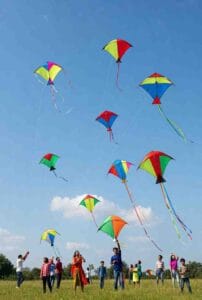
Makar Sankranti 2026 Celebrations Near Me UAE: Kite Flying & Temple Events
India’s Ministry of External Affairs estimates that about 3.5 million Indians live in the UAE, making it one of the largest Indian communities anywhere in the world. You can see official overseas Indian statistics on the MEA site: https://www.mea.gov.in (search “Overseas Indians”).
With so many Indians in Dubai, Abu Dhabi, Sharjah and the Northern Emirates, it’s no surprise that as mid‑January approaches, people start Googling “Makar Sankranti 2026 celebrations near me UAE: kite flying & temple events”.
If you’re an Indian expatriate, you might be wondering:
- Which mandir is doing a proper Makar Sankranti or Pongal puja this year?
- Are there any Uttarayan‑style kite events in a safe, legal location?
- Will there be Lohri or Pongal nights my kids can enjoy?
- And if there’s nothing big near me, how do I celebrate in my flat or staff housing without breaking UAE rules?
This guide gives you a complete, practical roadmap for Makar Sankranti 2026 in the UAE—focusing on kite flying and temple events, but also covering home and community options.
1. Makar Sankranti, Pongal & Uttarayan: Quick Refresher
Before we dive into “near me” details, it helps to get the basics clear.
One solar moment, many regional festivals
Around 14–15 January each year, Indians celebrate a family of festivals linked to the Sun’s movement and the winter harvest:
- Makar Sankranti
- General name across much of North, West and Central India
- “Makar” = Capricorn, “Sankranti” = transition
- Marks the Sun’s entry into Capricorn and the start of Uttarayana (northward journey)
- People bathe in rivers, eat til (sesame) and jaggery sweets, cook khichdi, and give to charity
- Pongal / Thai Pongal (Tamil Nadu and Tamil diaspora)
- Four‑day harvest festival
- Key ritual: boiling rice and milk until it boils over (“pongal”) to symbolise overflowing abundance
- Thanking Surya (the Sun) and cattle; drawing kolam patterns outside homes
- Uttarayan (Gujarat, parts of Rajasthan)
- Famous for kite flying from sunrise to sunset
- Traditional foods: undhiyu and jalebi
- Lohri (Punjab, often the evening before Sankranti)
- Bonfire, bhangra and folk songs
- Groundnuts, popcorn, rewari and gajak offered into the fire and shared
- Magh Bihu / Bhogali Bihu (Assam), Poush Sankranti (Bengal/Odisha)
- Bonfires, rice cakes, sweets, community feasts
Different names, different rituals—but the same core ideas:
Light returning, gratitude for food, sharing sweetness, and starting a new phase with hope.
India’s national portal has simple explainers for many of these festivals:
https://www.india.gov.in (search “Makar Sankranti”, “Pongal”, “Lohri”).
2. When Is Makar Sankranti 2026 in the UAE?
Because Makar Sankranti is a solar festival, its date barely shifts in the Gregorian calendar. It usually falls on 14 or 15 January.
For 2026:
- Traditional panchangs (Indian calendars) place Makar Sankranti in mid‑January 2026 (around 14–15 January).
- The astronomical moment (the Sun entering Capricorn) will be the same worldwide, adjusted by time zone.
- Temples in the UAE will time their Sankranti or Pongal pujas to that moment or to convenient nearby times.
In practice, you will see:
- Temple events on or near 14–15 January 2026, sometimes early morning or evening.
- Kite festivals & cultural programmes on the nearest Friday or Saturday, because those are the UAE weekend days.
To know exact timings:
- Check temple/event calendars from late December 2025 onwards.
- Follow relevant temples and associations on Facebook/Instagram for date and time announcements.
3. Why Makar Sankranti Still Matters to Indians in the UAE
Emotional anchor point in a transient life
Expat life can feel like:
- Work, work, work
- Visa renewals and uncertainty
- Regular travel back and forth to India
Makar Sankranti gives Indian expatriates:
- A yearly anchor point—“this is when we celebrate the Sun and harvest”.
- A chance to slow down, cook, pray and reflect, even for an hour.
- A way to feel part of a wider Indian story beyond the GCC.
Re‑interpreting “harvest” in a desert
In India, these festivals mark real crops—rice, sugarcane, sesame, mustard. In the UAE:
- Most food is imported
- Many expats work in finance, IT, retail, logistics—far from fields
But “harvest” can be reinterpreted as:
- The results of your hard work—salary, promotions, academic success
- The safety and income the UAE provides
- Emotional harvest: friendships, networks, skills
Celebrating becomes a way to say:
“Thank you—for whatever we have managed to grow in our lives this year, here in the Gulf.”
Passing on culture to the next generation
Children born or raised in the UAE:
- May feel comfortable with malls, beaches and desert safaris
- But know less about fields, kites, kolam or bonfires than their cousins in India
Using Makar Sankranti 2026:
- Parents can share stories of their own childhood festivals
- Kids can see how one solar event leads to many Indian traditions
- Families can create hybrid rituals that feel both Indian and Emirati
4. Types of Makar Sankranti 2026 Celebrations in the UAE
When you search for “Makar Sankranti 2026 celebrations near me UAE: kite flying & temple events”, you’ll typically find these categories:
A. Temple & religious events
Hindu temples, including:
- Dubai Hindu Temple (Bur Dubai, Jebel Ali complex)
- BAPS Shri Swaminarayan Mandir, Abu Dhabi (https://www.baps.org – search “Abu Dhabi Mandir”)
…usually hold:
- Special Sankranti/Pongal pujas
- Decorations with sugarcane, flowers, kolam/rangoli
- Distribution of pongal, sweets or til‑based prasad
Some smaller Hindu prayer halls and community centres may also mark the day with:
- Bhajan sessions
- Simple aartis and annadanam (food offering)
B. Cultural & regional association events
Regional groups (Tamil, Telugu, Gujarati, Punjabi, Marathi, etc.) often:
- Rent halls or school auditoriums
- Organise Pongal nights, Lohri celebrations or generic “Harvest Festivals”
- Include:
- Children’s performances
- Traditional dance and music
- Food stalls
- Sometimes charity fundraising
For example:
- A Tamil Sangam may host a big Pongal event with kolam competitions and pongal tasting.
- A Gujarati Samaj may brand an event as “Uttarayan Kite & Food Festival” (kites only if safe and legal).
- A Punjabi group may host a Lohri function (often with a symbolic or controlled fire, if allowed).
C. Kite‑flying sessions
True Uttarayan‑style kite festivals are limited in the UAE due to:
- Safety regulations
- Urban density
- Aviation considerations
Where they do exist, they are:
- Held in specific open fields or parks
- Organised by associations that have obtained permissions
- Strictly using safe, non‑metallic, non‑glass string
Be extra careful: some “informal” kite flying might ignore rules; it’s better to join events run by known groups.
D. Home, building & camp gatherings
Many Indian expats celebrate Sankranti mainly:
- In shared accommodations
- In building common rooms (with management permission)
- At home with a small group of friends
They might:
- Cook pongal, tilgul, khichdi or other regional dishes
- Do a short puja and share food
- Play music and talk about how the festival feels different in the Gulf
5. City‑by‑City: What “Near Me” Usually Means
Dubai
Dubai is the main hub for Indian life in the UAE.
Key Indian‑dense areas:
- Bur Dubai / Meena Bazaar – Bur Dubai Hindu Temple, old Indian market
- Karama – apartments, eateries, stores
- Al Qusais, Al Nahda, Oud Metha – families and Indian schools
- Jebel Ali – new Hindu temple complex
Finding temple events:
- Dubai Hindu Temple (Jebel Ali): https://hindutempledubai.com
- Bur Dubai temples: details often via local news and community posts
Check their websites and Facebook/Instagram pages in early January 2026 for:
- “Sankranti special puja”
- “Pongal celebrations”
- Darshan timings and prasad details
Finding cultural & kite events:
- Monitor Gulf News and Khaleej Times community pages:
- Search Eventbrite or similar platforms with keywords like:
- “Pongal Dubai 2026”
- “Lohri Dubai 2026”
- “Makar Sankranti Dubai kite festival”
- Ask in Facebook/WhatsApp groups:
- “Indians in Dubai”
- State‑specific groups (Tamil, Telugu, Gujarati, Punjabi in Dubai)
Abu Dhabi
Abu Dhabi has:
- The BAPS Hindu Mandir – a key centre of Hindu worship
- Many Indian families and workers across Mussafah, Khalidiya and city centre
BAPS Abu Dhabi Mandir:
- Info at https://www.baps.org (navigate to Abu Dhabi Mandir)
- Expect them to list festival calendars and announcements for 2026, including Makar Sankranti/Pongal.
Other options:
- Smaller Hindu prayer halls, Indian associations and regional groups
- Sikh and Punjabi communities hosting Lohri programmes
To find them:
- Search “Hindu temple Abu Dhabi” on Google Maps and check their websites/social pages
- Join “Indians in Abu Dhabi” style Facebook/WhatsApp groups
- Watch local Indian media (radio, newspapers) for festival ads
Sharjah & Northern Emirates
Sharjah, Ajman, Ras Al Khaimah and others:
- Have significant Indian populations, particularly families
- Often rely on Dubai or Abu Dhabi temples for big events, but:
- Host local Pongal/Lohri/harvest functions in halls
- Run home‑based or building‑based rituals
To find events in Sharjah & beyond:
- Join “Indians in Sharjah” and state‑wise groups on social media
- Ask in Indian supermarkets and restaurants if they know of Pongal/Lohri nights
- Look for flyers in community spaces
6. How to Find “Makar Sankranti 2026 Celebrations Near Me UAE” (Step‑by‑Step)
Here’s a practical method you can follow now and reuse every year.
Step 1: Set your “radius”
Decide realistically:
- How far you’re willing to travel (e.g., 30–45 minutes by car)
- Whether you can manage late nights with kids or early mornings with shifts
This decides how you define “near me”.
Step 2: List nearby temples & centres
Use Google Maps:
- Search “Hindu temple near me” or “Hindu temple [your emirate]”
- Note names, websites and social pages
For example:
- “Hindu temple Dubai”
- “BAPS temple Abu Dhabi”
- “Hindu temple Sharjah” (may show prayer halls or smaller centres)
Step 3: Check January 2026 festival calendars
Visit:
- Each temple’s website: look for “Events”, “Festivals” or “Puja schedule”
- Their Facebook/Instagram: scan posts from late December 2025 to mid‑January 2026
Keywords to look for:
- “Makar Sankranti”
- “Pongal”
- “Thai Pongal”
- “Lohri”
- “Harvest festival”
Step 4: Search event platforms
Use:
- Eventbrite: https://www.eventbrite.com or regional equivalents
Search combinations like:
- “Makar Sankranti UAE 2026”
- “Pongal Dubai 2026”
- “Lohri Abu Dhabi 2026”
- “kite festival Indians Dubai”
Then:
- Filter by date (10–25 January 2026)
- Filter by location (Dubai, Abu Dhabi, Sharjah, plus your district if supported)
Step 5: Use Indian & UAE media
Check:
- Gulf News Community pages – https://gulfnews.com
- Khaleej Times City Times/Community – https://www.khaleejtimes.com
Search their sites with “Pongal”, “Lohri”, “Makar Sankranti” and filter by date.
Step 6: Ask your networks
Most “near me” information spreads via social channels:
- Join Facebook groups like:
- “Indians in Dubai”
- “Indians in Abu Dhabi”
- “Indians in Sharjah”
- “Tamils in UAE”, “Telugus in Dubai”, “Gujaratis in UAE”, etc.
- In WhatsApp groups (building, office, school, state groups), ask:
“Any Makar Sankranti/Pongal/Lohri or kite‑related events happening near [your area] for Jan 2026?”
You’ll normally get multiple flyers and suggestions.
7. Kite Flying in the UAE: Reality Check & Safe Options
Because our keyword is “Makar Sankranti 2026 Celebrations Near Me UAE: Kite Flying & Temple Events”, let’s talk honestly about kites.
The issues
- Safety: UAE cities are dense; flying kites near roads/power lines is dangerous.
- Aviation: Proximity to airports and flight paths is a serious concern.
- Law & order: Unauthorised gatherings or unsafe behaviour can have legal consequences.
Glass‑coated string (manja) is a big NO
Traditional Indian manja (glass‑coated thread) can:
- Slice skin, injure birds and cyclists
- Damage power and telecom lines
In many countries, including the UAE, such string is regarded as dangerous and would violate public safety norms.
Only ever use:
- Standard, safe kite string (cotton/synthetic) from reputable kite suppliers or event organisers.
Better options
- Join only organised kite events run by known associations with permissions.
- If nothing exists near you, consider:
- Doing indoor paper kite crafts with kids.
- Hanging decorative kites in your flat.
- Watching Uttarayan kite videos from Gujarat together and explaining the meaning.
The emotional heart—joy, colour, movement with the wind—can be honoured symbolically without putting anyone at risk.
8. Designing Your Own Sankranti Day in the UAE
Once you’ve discovered what’s nearby, you still need to choose how you’ll celebrate.
For families
Aim for a balanced day with:
- One outside activity (temple/cultural event)
- One home‑based ritual (puja, food, storytime)
Example family schedule (if Friday is free):
- Morning – Home Pongal/Sankranti puja + temple visit
- Afternoon – Relax + a simple outing (park, beach)
- Evening – Small gathering at home with one or two other families
For students & shared flats
If you’re a student in Dubai, Abu Dhabi or Sharjah:
- Visit a temple if you have time.
- Host a flat Sankranti/Pongal night:
- Everyone brings one dish.
- Decorate with kites and kolam on the floor (chalk or washable markers).
- Share how your family used to celebrate back home.
Don’t stress about perfection; the main aim is connection.
For shift workers & very busy professionals
If you have limited time:
- 15 minutes in the morning – light a lamp, offer a small sweet or pongal, say a short prayer or positive affirmation.
- 15–20 minutes after work – quick temple visit if possible.
- Weekend – join a community event or do a longer home puja and meal.
Small actions done with intention can be more meaningful than one frantic day with 5 events.
9. 10‑Step Checklist for Makar Sankranti 2026 UAE
To summarise everything for “Makar Sankranti 2026 celebrations near me UAE: kite flying & temple events”:
- Decide your travel radius
- How far can you realistically go in Dubai/Abu Dhabi/Sharjah on a workday or weekend?
- List nearby temples & Indian hubs
- Use Google Maps + temple websites + BAPS Abu Dhabi Mandir & Dubai Hindu Temple sites.
- Check January 2026 temple calendars
- Note Sankranti/Pongal/Lohri special pujas, timings and prasad offerings.
- Search for cultural events & kite festivals
- Use Eventbrite, Gulf News, Khaleej Times and social media for registered events.
- Verify safety & permissions
- Only attend kite events that mention safety and permissions. Avoid anything dubious.
- Plan a home ritual
- Decide on decor, puja steps and 1–2 dishes (pongal, tilgul, khichdi, etc.) that fit your kitchen and time.
- Involve household members
- Give kids and elders roles; invite a few friends if space and rules allow.
- Respect UAE law and building rules
- Get permission for common‑area use, avoid open flames or loud noise, keep gatherings modest.
- Connect with India
- Call or video chat with relatives and share photos from your UAE celebration.
- Reflect and record
- After the festival, jot down what worked, what didn’t, and what you’d like to do for Sankranti 2027.
Related Guides :
- Makar Sankranti 2026: Pongal & Uttarayan History, Significance & Why Indians Celebrate UAE
- Makar Sankranti 2026 Celebrations Near Me UK: Kite Flying & Temple Events
- Makar Sankranti 2026 UAE: How to Celebrate in Dubai, Abu Dhabi & Sharjah
- Makar Sankranti 2026 UK: How to Celebrate in London, Leicester & Manchester
- Makar Sankranti 2026: Pongal & Uttarayan History, Significance & Why Indians Celebrate UK
Frequently Asked Questions
1. Is Makar Sankranti a public holiday in the UAE?
No.
Makar Sankranti, Pongal, Lohri and Bihu are not UAE public holidays. Official holidays relate mainly to:
- Islamic festivals (Eid al‑Fitr, Eid al‑Adha, etc.)
- UAE National Day and other national events
You can see the list here:
So schools and workplaces continue as normal. Celebrations happen around work/school schedules.
2. Are non‑Hindus allowed to join Sankranti or Pongal events?
Generally, yes.
- Most temples welcome respectful visitors of any background.
- Cultural events (Pongal nights, Lohri functions) are often promoted as open community gatherings.
Visitors should:
- Dress modestly
- Follow instructions (shoe removal, photography rules, etc.)
- Avoid entering areas restricted to adherents
3. Can I do a full Pongal “boiling over” ritual in my flat?
It depends on:
- Your kitchen set‑up
- Your building’s fire safety rules
- How safely you can control the spill
Safer options:
- Do the ritual symbolically using a pot on a normal stove—no open flames beyond what’s allowed.
- Focus on the offering and prayer, not on recreating a big outdoor village setup.
Always err on the side of safety and respect for building guidelines.
4. Are camp or building‑level gatherings allowed?
Often they are allowed with permission.
You should:
- Speak to building management or your camp boss.
- Get written or clear approval for date, time, location and number of people.
- Keep events short, orderly and respectful.
- Avoid open flames, loud music late at night, or large unmanaged crowds.
If management says no, keep the celebration inside your room or home.
5. How early should I start looking for Makar Sankranti 2026 events in the UAE?
A suggested timeline:
- December 2025 – Note temple websites and follow relevant social media pages.
- Early January 2026 – Check for posted Sankranti/Pongal schedules and flyers.
- 1–2 weeks before the festival – Finalise which event(s) to attend, get any required registrations done, and plan your home rituals.
6. How can I explain Makar Sankranti to non‑Indian colleagues in the UAE?
A simple explanation:
“It’s our mid‑January festival that marks the Sun’s move into Capricorn. We see it as the start of brighter days and a time to thank nature for food. Different regions call it Makar Sankranti, Pongal, Lohri or Bihu and celebrate with special foods, some fly kites, some have bonfires, but all are about light, harvest and sharing.”
That’s usually enough to spark understanding and curiosity.
Conclusion: Shape a Sankranti That Fits Your UAE Life
Makar Sankranti 2026 Celebrations Near Me UAE: Kite Flying & Temple Events is more than a search query. It’s a sign that Indian expatriates across Dubai, Abu Dhabi, Sharjah and beyond are trying to:
- Hold on to kites, pongal, tilgul, undhiyu and bonfire songs
- Honour the Sun and harvest, even in a desert cityscape
- Give their children and friends a reason to look forward to mid‑January, not just New Year’s Eve
You don’t need a rooftop covered in kites or a village field to “do it right”. In the UAE, a meaningful Sankranti might be:
- A safe, permitted temple visit
- A small, well‑planned home ritual
- A short, joyful gathering in your flat or camp common room
- Or even just a phone call to India with a plate of pongal and a diya on the table
If you combine awareness of UAE laws with heartfelt intention, you can build a Gulf‑style Makar Sankranti tradition that feels both authentically Indian and genuinely at home in the Emirates.
What two or three things from this guide will you commit to doing for Makar Sankranti 2026 in the UAE—so that when the Sun reaches Makara and Uttarayan begins, you feel ready, grounded and connected?