Navratri to Dussehra UAE 2025: 10-day festival calendar (Sept 22–Oct 2). Daily muhurat tips, temple aarti, garba, fasting menus, travel & family checklists—plan now.
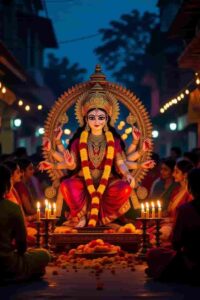
Navratri to Dussehra UAE 2025: 10-Day Festival Calendar from September 22 to October 2
Ten sacred days. One united community. If you’re planning Navratri to Dussehra UAE 2025: 10-Day Festival Calendar from September 22 to October 2, this guide gives you the exact daily flow, city‑aware muhurat notes, temple aarti planning, garba/cultural options, fasting menus, travel tips, and family/volunteer checklists. It’s written for devotees who want to balance shastra‑aligned worship with practical schedules across Abu Dhabi, Dubai, Sharjah, and the Northern Emirates.
You’ll find a featured 10‑day schedule, how to verify your local muhurats, day‑by‑day observances with colour cues and ideas, temple and city guides, safety and etiquette, and a ready-to-use organizer timeline. Save this and share with your family group so everyone is aligned from Day 1 to Vijayadashami.
- Reading time: 22–28 minutes
- Best for: Navratri celebrants & 10-day festival participants across the UAE
Table of Contents
- At a Glance: 10-Day Festival Calendar (Featured Snippet)
- How to Read This Calendar: Tithis, Time Zones, and Muhurats
- Day-by-Day Guide: Sept 22 to Oct 2 (Colours, Puja, Family Ideas)
- Temple Planning: BAPS Abu Dhabi, Jebel Ali Hindu Temple, and Bur Dubai Temples
- City Guides: Abu Dhabi, Dubai, Sharjah & Northern Emirates
- Garba, Dandiya & Cultural Evenings: What to Expect in the UAE
- Fasting (Vrat): Allowed Foods, 7-Day Menu, and Where to Shop
- Etiquette, Safety & Photography: Graceful, Compliant Celebrations
- Digital & Hybrid Participation
- Organizer’s Corner: 30-Day Timeline, Crowd Flow, and Low-Waste
- Case Studies: Real UAE Festival Stories
- Key Statistics and Festival Trends (with sources)
- Resources: Internal and External Links
- Checklists You Can Use Today
- Frequently Asked Questions
- Conclusion & CTA
At a Glance: 10-Day Festival Calendar (Featured Snippet)
Targeting your quick answer for “Navratri to Dussehra UAE 2025: 10-Day Festival Calendar from September 22 to October 2.”
- Day 1 (Mon, Sept 22): Shailaputri — Ghatasthapana; verify morning muhurat; colour: white/grey
- Day 2 (Tue, Sept 23): Brahmacharini — tapas & study; colour: orange
- Day 3 (Wed, Sept 24): Chandraghanta — courage & grace; colour: white
- Day 4 (Thu, Sept 25): Kushmanda — creative energy; colour: red
- Day 5 (Fri, Sept 26): Skandamata — compassion; colour: royal blue
- Day 6 (Sat, Sept 27): Katyayani — righteous action; colour: yellow
- Day 7 (Sun, Sept 28): Kalaratri — protection; colour: green
- Day 8 (Mon, Sept 29): Mahagauri — purity; Sandhi Puja (verify); colour: peacock green
- Day 9 (Tue, Sept 30): Siddhidatri — fulfillment; Kanya Puja (consent-first); colour: purple
- Day 10 (Wed, Oct 1): Vijayadashami/Dussehra — Aparajita/Shami/Ayudha Puja in Aparahna & Vijay Muhurat
- Notes: Some communities hold related observances on Thu, Oct 2 for accessibility; always follow your temple’s schedule.
Always confirm muhurats (Ghatasthapana, Sandhi Puja, Aparahna/Vijay Muhurat) for your city in the UAE. Tithis are sunrise‑based and location‑specific.
How to Read This Calendar: Tithis, Time Zones, and Muhurats
Navratri and Dussehra are tithi‑bound. That means precise windows depend on local sunrise/sunset and your emirate.
- UAE baseline 2025: Many panchangs list Day 1 on Mon, Sept 22 and Vijayadashami on Wed, Oct 1.
- Muhurat prioritization:
- Day 1: Ghatasthapana in the morning muhurat
- Day 8: Sandhi Puja window (Ashtami–Navami)
- Day 10: Dussehra puja in Aparahna; the short Vijay Muhurat inside it
- City differences: Abu Dhabi and Dubai are closely aligned; Sharjah/Northern Emirates may vary slightly.
How to verify in 3 minutes:
- Open a reliable panchang and set location to your city (Abu Dhabi, Dubai, Sharjah, etc.).
- Note the specific window start/end for each special observance.
- Cross‑check your temple’s posted timings the week prior.
Best practice: Worship by muhurat at home; attend temple/community programs in the evening for a full, balanced festival day.
Day-by-Day Guide: Sept 22 to Oct 2 (Colours, Puja, Family Ideas)
Keep each day devotional, simple, and consistent. Colours are traditional suggestions—follow your family parampara.
- Day 1 — Shailaputri (Mon, Sept 22)
- Colour: White/Grey
- Focus: Ghatasthapana/Kalash Sthapana; barley sowing optional
- Home: Clean altar; sankalpa; short stuti & aarti
- Evening: Temple aarti; arrive early to avoid queues
- Kid idea: Nine‑nights sticker calendar
- Day 2 — Brahmacharini (Tue, Sept 23)
- Colour: Orange
- Focus: Restraint, study, and satvik routines
- Home: Read a few lines of Durga Chalisa; minimal screen time
- Community: Stream a 15‑minute bhajan together
- Day 3 — Chandraghanta (Wed, Sept 24)
- Colour: White
- Focus: Courage with grace
- Home: Lamp lighting (or LED); gratitude notes in a bowl
- Temple: Short mid‑week aarti if possible
- Day 4 — Kushmanda (Thu, Sept 25)
- Colour: Red
- Focus: Creative energy; offer a homemade sweet or fruit
- Family: Tidy prayer area; kids decorate a paper toran
- Day 5 — Skandamata (Fri, Sept 26)
- Colour: Royal Blue
- Focus: Compassion and care
- Home: Values story for kids; label allergens for any shared snacks
- Temple: Friday evening bhajans likely busier—arrive early
- Day 6 — Katyayani (Sat, Sept 27)
- Colour: Yellow
- Focus: Righteous action
- Community: Garba/bhajans in halls; LED/no‑flame stagecraft
- Tip: Supportive shoes; small towel and water
- Day 7 — Kalaratri (Sun, Sept 28)
- Colour: Green
- Focus: Protection
- Home: Quiet aarti; 5–10 minutes of reflection
- Family: “Good choices” pledge board
- Day 8 — Mahagauri (Mon, Sept 29) — Sandhi Puja
- Colour: Peacock Green
- Focus: Sandhi Puja between Ashtami–Navami tithis (verify)
- Temple: Expect peak attendance; reach 20–30 minutes early
- Kids: Simple rangoli with safe powders or stencils
- Day 9 — Siddhidatri (Tue, Sept 30) — Kanya Puja
- Colour: Purple
- Focus: Kanya Puja (consent‑first); kala chana, halwa, puri
- Inclusion: Modest, useful gifts (books, hairbands)
- Tip: Keep allergen labels visible
- Day 10 — Vijayadashami/Dussehra (Wed, Oct 1)
- Focus: Aparajita/Shami/Ayudha Puja in Aparahna & Vijay Muhurat
- Home: Tilak on tools/books/instruments; brief family aarti
- Evening: Temple aarti & values message; symbolic “victory of good choices”
- Community Note: Some related observances may be scheduled Thu, Oct 2 for convenience—follow the temple’s program
If your residence restricts flames, use LED diyas and keep worship heartfelt and safe.
Temple Planning: BAPS Abu Dhabi, Jebel Ali Hindu Temple, and Bur Dubai Temples
- BAPS Hindu Mandir, Abu Dhabi
- Expect structured darshan, disciplined queues, and values‑led assemblies.
- Check the official site for aarti and any special October programs.
- Photography near sanctum is restricted—follow posted guidance.
- Hindu Temple Dubai (Jebel Ali)
- Multi‑deity mandir with daily aarti and orderly darshan.
- Peak evenings around Ashtami, Navami, and Dussehra—arrive early.
- LED/no‑flame decor aligns with venue rules.
- Bur Dubai Temples (Shiva & Krishna)
- Intimate, historic worship experience with steady evening aarti.
- Narrow lanes and compact spaces—travel light and maintain decorum.
- Combine visits if time permits; keep children close in queues.
Verify the latest timings on each temple’s official page or notice board 24–48 hours before your visit.
City Guides: Abu Dhabi, Dubai, Sharjah & Northern Emirates
Abu Dhabi
- What to expect: Family‑friendly satsang and aarti at BAPS; city‑wide programs in approved venues.
- Transport: Drive or taxi; add buffer time for evening peaks.
- Tips: Dress modestly; small bags; confirm parking guidance on the temple site.
Dubai
- What to expect: Aarti at Jebel Ali and Bur Dubai; community halls host devotional and cultural evenings.
- Transport: Metro + short taxi/walk helps in old Dubai; parking tight near peak aarti.
- Tips: Some parks/venues may have entry fees or Nol requirements—check event pages; LED/no‑flame is standard.
Sharjah & Northern Emirates (Ajman, UAQ, RAK, Fujairah)
- What to expect: Temple‑led satsang and aarti in approved halls; intimate, volunteer‑driven.
- Transport: Carpool for easier exits; follow signage and ushers.
- Tips: Programs often start on time; small gestures (clear aisles, labelled snacks) keep nights smooth.
Garba, Dandiya & Cultural Evenings: What to Expect in the UAE
- Programs: Family‑first garba/bhajan evenings in halls; occasional large‑format cultural nights announced on city calendars.
- Tickets & RSVP: Many events use pre‑registration or tickets—screenshots help at entry.
- Etiquette: Join from the outer circle; keep marshal lanes clear; ask consent for close‑ups.
- Safety: LED décor; no open flames or fireworks; follow volunteers.
- Kids: Early family sessions are calmer; bring ear protection if sound‑sensitive.
Tip: If you have only two nights, prioritize the first weekend garba and the Ashtami/Navami temple aarti.
Fasting (Vrat): Allowed Foods, 7-Day Menu, and Where to Shop
Commonly allowed (confirm your parampara):
- Fruits, milk, yogurt, nuts, dates
- Sabudana, kuttu (buckwheat), singhara (water chestnut)
- Samak (barnyard millet), rajgira (amaranth), potatoes/sweet potatoes
- Sendha namak (rock salt), cumin, chilies, lemon
- Ghee, coconut oil, peanut oil
Usually avoided:
- Regular salt; cereals (wheat/rice); most pulses (except kala chana after Ashtami in some traditions)
- Onion and garlic; packaged snacks with additives
Where to shop:
- Dubai: Bur Dubai, Karama, Meena Bazaar; Al Adil Trading and Indian grocers stock vrat flours and samak.
- Abu Dhabi: Electra/Madinat Zayed area; neighbourhood supermarkets carry staples; read labels.
- Sharjah/Northern Emirates: Rolla & central markets; hypermarkets stock seasonal shelves.
Simple 7‑day vrat menu (mix & match):
- Breakfast: Fruit + yogurt; roasted makhana; banana‑date smoothie
- Lunch: Samak khichdi with peanuts; cucumber raita; sweet potato chaat
- Snack: Sabudana chivda; baked sweet potato wedges; nuts + dates
- Dinner: Kuttu rotis + aloo sabzi; rajgira porridge; paneer (if allowed)
- Prasad: Coconut laddoos; sabudana kheer; dates‑based kheer
Hydration:
- Water, coconut water, lemon water + a pinch of sendha namak.
- If you have medical conditions, consult your physician before fasting.
Etiquette, Safety & Photography: Graceful, Compliant Celebrations
- Conduct: Phones on silent; sanctum quiet; modest dress.
- Flow: Keep aisles/exits clear; follow ushers for prasad lines and seating.
- Photography: Restrictions near sanctum; no flash during aarti; ask consent for close‑ups—especially of children.
- Fire & effects: Expect LED/projection; open flames and fireworks are typically restricted in public venues.
- Donations: Use official temple channels; fundraising is regulated.
Small courtesies—clear aisles, labelled food, photo consent—turn a good night into a great one.
Digital & Hybrid Participation
When schedules clash, stay spiritually connected:
- Temple livestreams or short highlight reels.
- 15–20 minute family bhajan on video call mid‑week.
- Daily “Devi value” card in the family chat (courage, compassion, discipline).
Tech basics:
- Do Not Disturb during aarti; stable audio over shaky video.
- Share replays for elders who rest earlier.
Organizer’s Corner: 30-Day Timeline, Crowd Flow, and Low-Waste
30‑day timeline (community event)
- Define scope: aarti + bhajans, values talk, garba/bhajan night.
- Book venue; confirm capacity, insurance, and no‑flame rules.
- Secure priest/emcee, musicians, youth items.
- Draft budget; open RSVP/tickets; approach sponsors.
- Lock AV/stage, rehearsal slots; set decibel limits.
- Map flow: exits, marshal lanes, water stations, stroller/elder seating.
- Publish bag/photo policy; share transit/parking info.
- Label prasad/snacks for allergens; arrange waste sorting.
- Tech run; finalize run‑of‑show.
- Safety walk‑through; post first‑aid contacts and lost‑and‑found.
- Print programs with venue map and emergency numbers.
- Assign day‑of roles; keep 5‑minute buffers between segments.
Safety & low‑waste
- LED/no‑flame décor; tape cables; guard speaker stands; exit signage.
- Water refill stations; compostable serveware; reusable signage.
- Bilingual emcee notes; 60‑second “What is Navratri?” explainer.
Budget (indicative)
- Small hall bhajans (80–150): AED 9,000–26,000
- Mid auditorium (200–500): AED 36,000–135,000+
- Large garba/cultural series: variable—sponsors recommended
Case Studies: Real UAE Festival Stories
Ameeta’s “two‑temple evening”
- She visited Bur Dubai Shiva–Krishna temples early on Day 5, then joined a family satsang at a nearby hall. Light dinner, easy exit, happy grandparents.
Vik’s “LED‑only garba”
- His group hosted a garba with LED décor, water refill stations, and clear marshal lanes. No flame, no smoke, no stress—families stayed longer, cleanup finished in 30 minutes.
Noor’s “muhurat at desk”
- On Dussehra, Noor kept a mini kit (LED diya, flower). She offered a 10‑minute Aparajita/Ayudha Puja in the Vijay Muhurat at work, then attended temple aarti with her family in the evening.
Key Statistics and Festival Trends (with sources)
- Indians are the UAE’s largest expatriate community—well over 3 million—fueling robust festival participation and volunteer networks. Source: UAE Government portal (u.ae).
- BAPS Hindu Mandir Abu Dhabi opened in 2024, creating a landmark worship and cultural hub for families. Source: BAPS Hindu Mandir Abu Dhabi.
- UAE internet penetration exceeds 99%, enabling temple livestreams, QR updates, and coordinated volunteer communications. Source: DataReportal – Digital 2024: UAE (datareportal.com).
- Dubai’s public transport carried hundreds of millions of journeys in 2023, making Metro/bus + taxi a reliable combo for festival nights. Source: RTA annual ridership updates (rta.ae).
- Public venues across the UAE typically favour LED/no‑flame stagecraft and documented safety plans—ideal for family‑centric festivals. Source: Municipal/venue guidance (Dubai/Abu Dhabi).
Resources: Internal and External Links
Suggested internal links:
- Sharjah Dussehra Celebrations 2025: Indian Cultural Centre Events
- Dubai Sindhi Guru Darbar Temple Dussehra 2025
- Abu Dhabi Hindu Community Dussehra 2025: BAPS Temple
- UAE Dussehra Shopping Guide 2025: Best Places
- Top 10 Hindu Temples Celebrating Dussehra in UAE 2025
Authoritative external sources:
- BAPS Hindu Mandir Abu Dhabi
- Hindu Temple Dubai (Jebel Ali)
- Dubai Calendar – Events
- RTA – Wojhati Journey Planner
- UAE Government Portal
- DataReportal – Digital 2024: UAE
Bookmark temple pages and city calendars. Final aarti windows and cultural schedules typically publish 1–3 weeks before each festival day.
Checklists You Can Use Today
10-Day Personal Planner
- Day 1: Ghatasthapana time
- Day 8: Sandhi Puja window
- Day 10: Aparahna/Vijay Muhurat
- Two temple evenings picked
- One cultural/garba night reserved
- Family snacks, water, shawls packed
Family Day‑Of Pack
- Modest ethnic wear + light layer
- Small bag, water, tissues, labelled snack
- Phone on silent; temple address pinned
- Aisle seating plan; ear protection for kids
- Respect photo rules; accept prasad mindfully
Home Puja (10–15 Minutes)
- Sankalpa (name, city, date/time)
- Devi stuti or Chalisa excerpt
- Aarti; prasad; family “good choices” pledge
Organizer’s Quick Safety Brief
- Exits & marshal lanes marked
- Cables taped; speaker stands guarded
- LED/no‑flame reminder posted
- Water refill & waste sorting set
- First‑aid & lost‑and‑found contacts visible
Frequently Asked Questions
What dates does the 10‑day Navratri to Dussehra UAE 2025 calendar cover?
Many panchangs indicate Mon, Sept 22 to Wed, Oct 1 for core observances. Some related programs may run Thu, Oct 2 for accessibility—follow your temple’s schedule.
How do I verify muhurats for Ghatasthapana, Sandhi Puja, and Dussehra?
Use a panchang set to your UAE city and cross‑check with temple announcements. Tithis are sunrise‑based and location‑specific.
Are garba/dandiya events common in the UAE?
Yes—typically in community halls and approved venues. Many are ticketed or RSVP‑based, LED‑only, and family‑friendly. Check city calendars and organizer pages.
Can we burn Ravana effigies?
Open flames and fireworks are generally restricted. Communities use LED/projection or symbolic segments emphasizing values. Follow venue rules.
What should I wear and carry to temples?
Modest, comfortable ethnic wear, a light shawl, small bag, water, and tissues. Keep phones on silent; follow photography rules near sanctum.
Where can I buy vrat ingredients?
Indian grocers in Bur Dubai/Karama/Meena Bazaar, Electra/Madinat Zayed (Abu Dhabi), and Rolla (Sharjah) stock vrat flours, samak, and makhana. Hypermarkets also offer seasonal shelves.
Are children welcome at temple programs?
Yes. Choose aisle seating, pack a small snack, bring ear protection if sound‑sensitive, and plan short breaks.
Conclusion & CTA
Navratri to Dussehra UAE 2025: 10-Day Festival Calendar from September 22 to October 2 gives you a clear, city‑aware way to honour each day—without stress. Verify muhurats, keep home puja simple, arrive early for aarti, and choose one or two cultural evenings for joyful community time. With respectful etiquette and safety‑first planning, every night can feel peaceful and complete.
Ready to finalize your plan? Save this guide, set reminders for Day 1, Day 8, and Day 10, and bookmark your temple’s page. Want a personalized itinerary—by emirate, crowd levels, and family needs? Comment with your city, dates, and group size—we’ll tailor a smooth, devotional schedule.