Complete Mangal Bhawan Amangal Hari lyrics in Devanagari with transliteration, word-by-word meaning, and significance. Full Ramcharitmanas prayer guide.
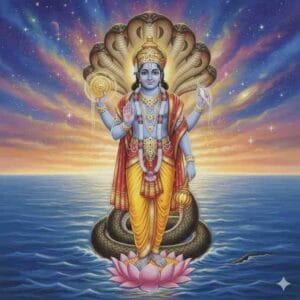
Mangal Bhawan Amangal Hari Lyrics: Complete Text with Meaning and Transliteration
Introduction
What if a single prayer, just four lines long, could remove every obstacle from your path and invite divine blessings into your life? The Mangal Bhawan lyrics, composed by Goswami Tulsidas over 450 years ago, have been recited by millions of devotees daily as the most powerful invocation to Lord Rama from the sacred Ramcharitmanas.
This prayer appears in the Mangalacharana (invocatory section) of Tulsidas’s masterwork and has transcended its textual origins to become a standalone mantra recited in homes, temples, and hearts worldwide. The beauty of these Mangal Bhawan lyrics lies not just in their poetic elegance but in their concentrated spiritual power—each word carefully chosen to invoke specific divine qualities.
In this comprehensive guide, you’ll find the complete Mangal Bhawan lyrics in original Devanagari script, accurate Roman transliteration for pronunciation, word-by-word meaning breaking down every term, complete English translation, and deep exploration of the prayer’s spiritual significance. Whether you’re searching for the exact text to memorize, seeking to understand what you’re reciting, or exploring this prayer for the first time, this guide provides the definitive resource.
Table of Contents:
- Complete Mangal Bhawan Lyrics in Devanagari
- Roman Transliteration for Pronunciation
- Word-by-Word Detailed Meaning
- Complete English Translation
- Line-by-Line Spiritual Significance
- Extended Mangalacharana Verses
- Theological and Philosophical Depth
- Context Within Ramcharitmanas
- How Tulsidas Composed These Lyrics
- Recitation Guidelines and Practices
- Frequently Asked Questions
- Conclusion
Complete Mangal Bhawan Lyrics in Original Devanagari Script
The most commonly recited Mangal Bhawan prayer consists of the following verses from the Ramcharitmanas Mangalacharana section:
Primary Mangal Bhawan Doha (Couplet)
मंगल भवन अमंगल हारी।
द्रवहु सो दशरथ अजिर बिहारी॥
राम सिय राम सिय राम जय जय राम।
सिय राम जय जय जय सिय राम॥
Extended Version (Full Context from Mangalacharana)
Many devotees recite the extended invocation which includes additional verses:
बंदउँ गुरु पद पदुम परागा।
सुरुचि सुबास सरस अनुरागा॥
अमिअ मूरिमय चूरन चारू।
समन सकल भव रुज परिवारू॥
सुकृति संभु तन बिमल बिभूती।
मंजुल मंगल मोद प्रसूती॥
जन मन मंजु मुकुर मल हरनी।
किएँ तिलक गुन गन बस करनी॥
श्रीगुर पद नख मनि गन जोती।
सुमिरत दिब्य दृष्टि हियँ होती॥
दलन मोह तम सो सप्रकासू।
बड़े भाग उर आवइ जासू॥
उघरहिं बिमल बिलोचन ही के।
मिटहिं दोष दुख भव रजनी के॥
The Central Invocation to Rama
बंदउँ श्रीरघुबीर पद जिन्हहि परम प्रिय खीर।
नहि संपति नहि आपदा नहि अपबस दुरबीर॥
नीलाम्बुज सुन्दर श्याम तरुन अरुन बारिज नयन।
करउ सो मम उर धाम सदा छीरसागर सयन॥
कुंद इंदु सम देह उमा रमन करुना अयन।
जाहि दीन पर नेह करउँ कृपासिंधु सो नयन॥
बंदउँ गुरु पद कंज कृपा सिंधु नररूप हरि।
महामोह तम पुंज जासु बचन रबि कर निकर॥
The Most Famous Mangal Bhawan Verse
मंगल भवन अमंगल हारी। द्रवहु सो दशरथ अजिर बिहारी॥
राम सिय राम सिय राम जय जय राम।
सिय राम जय जय जय सिय राम॥
This is the verse that has become universally known as “Mangal Bhawan” and is recited independently across Hindu households worldwide.
Complete Roman Transliteration for Accurate Pronunciation
Understanding correct pronunciation is essential for effective recitation. Here is the precise transliteration of the Mangal Bhawan lyrics:
Primary Verse Transliteration
Mangala bhavana amangala hārī
Dravahu so dasaratha ajira bihārī
Rāma Sīya Rāma Sīya Rāma jaya jaya Rāma
Sīya Rāma jaya jaya jaya Sīya Rāma
Extended Mangalacharana Transliteration
Bandauṁ guru pada paduma parāgā
Suruchi subāsa sarasa anurāgā
Amia mūrimaya chūrana chārū
Samana sakala bhava ruja parivārū
Sukṛti sambhu tana bimala bibhūtī
Manjula mangala moda prasūtī
Jana mana manju mukura mala haranī
Kieṁ tilaka guna gaṇa basa karanī
Śrīgura pada nakha maṇi gaṇa jotī
Sumirata divya dṛṣṭi hiyaṁ hotī
Dalana moha tama so saprakāsū
Baṛe bhāga ura āvai jāsū
Ugharahiṁ bimala bilochana hī ke
Miṭahiṁ doṣa dukha bhava rajanī ke
Additional Invocatory Verses Transliteration
Bandauṁ śrīraghubīra pada jinahi parama priya khīra
Nahi sampati nahi āpadā nahi apabasa durabīra
Nīlāmbuja sundara śyāma taruna aruna bārija nayana
Karau so mama ura dhāma sadā chīrasāgara sayana
Kunda indu sama deha umā ramana karuṇā ayana
Jāhi dīna para neha karauṁ kṛpāsindhu so nayana
Bandauṁ guru pada kanja kṛpā sindhu nararūpa hari
Mahāmoha tama punja jāsu bachana rabi kara nikara
Pronunciation Guidelines for Transliteration
Vowel Length:
- Short vowels (a, i, u) – brief, clipped sound
- Long vowels (ā, ī, ū) – held twice as long as short vowels
Special Characters:
- ṁ (anusvara) – nasal sound like ‘ng’ in “song”
- ḥ (visarga) – slight aspiration, like soft ‘h’
- ṛ – vowel sound between ‘ri’ and ‘ru’
Consonant Clusters:
- bh, dh, gh, kh, ph, th – single aspirated sounds, not separate letters
Word-by-Word Detailed Meaning of Mangal Bhawan Lyrics
Understanding each word transforms recitation from mechanical repetition into conscious devotion.
Line 1: मंगल भवन अमंगल हारी (Mangala bhavana amangala hārī)
मंगल (Mangala)
- Root: मंगल् (mangal) = auspiciousness, prosperity, welfare, blessing
- Meaning: Everything that is good, sacred, fortunate, and spiritually uplifting
- Significance: Represents all positive divine qualities—peace, prosperity, happiness, spiritual progress
भवन (Bhavana)
- Root: भू (bhū) = to be, to become, to exist
- Meaning: House, dwelling, abode, mansion, residence, embodiment
- Significance: Not just a physical location but the very essence and source; Rama IS auspiciousness itself
अमंगल (Amangala)
- Root: अ (a) = not, non- + मंगल (mangala) = auspicious
- Meaning: Inauspiciousness, negativity, obstacles, misfortune, evil influences
- Significance: Everything that causes suffering—ignorance, disease, poverty, fear, karmic obstacles
हारी (Hārī)
- Root: हृ (hṛ) = to take away, to remove, to destroy
- Meaning: Remover, destroyer, one who carries away, eliminator
- Grammatical note: Present participle form indicating continuous action
- Significance: Active, ongoing removal—not past tense but continuous divine function
Complete Line Meaning:
“O Lord Rama, You are the very embodiment and dwelling place of all auspiciousness, and You are the active remover/destroyer of all inauspiciousness and obstacles.”
Deeper Theological Significance:
This line establishes Rama’s dual divine function—He simultaneously IS goodness (not just possesses it) and actively DESTROYS negativity. The word “bhavana” (abode/dwelling) suggests that all auspicious qualities reside IN Rama, making him their source and origin. The present participle “hārī” indicates continuous action—Rama is always, at every moment, removing obstacles from devotees’ lives.
Line 2: द्रवहु सो दशरथ अजिर बिहारी (Dravahu so dasaratha ajira bihārī)
द्रवहु (Dravahu)
- Root: द्रु (dru) = to melt, to be moved, to flow with compassion
- Meaning: Please be compassionate, shower grace, be moved with mercy
- Grammatical note: Imperative form—a request/prayer, not a demand
- Significance: Appeals to Rama’s soft heart; the devotee seeks not just results but divine love
सो (So)
- Meaning: That same, the very one, that particular
- Significance: Creates connection and specificity—”that very Rama” known from scripture and devotion
दशरथ (Dasaratha)
- Meaning: King Dasharatha, Rama’s father
- Etymology: दश (daśa) = ten + रथ (ratha) = chariot; “one whose chariot conquers ten directions”
- Significance: Invokes Rama’s incarnation aspect, his earthly family, making the cosmic divine personally accessible
अजिर (Ajira)
- Root: आ (ā) + जिर (jira)
- Meaning: Courtyard, palace grounds, inner courtyard, playground
- Significance: Evokes the intimate domestic space where young Rama played as a child
बिहारी (Bihārī)
- Root: वि (vi) + हृ (hṛ) = to move about, to sport, to play
- Meaning: One who dwells, one who plays, one who moves about joyfully
- Significance: Captures Rama’s līlā (divine play); God as accessible, playful, present in everyday life
Complete Line Meaning:
“Please be compassionate and shower Your grace, O Lord who once played joyfully in the courtyard of King Dasharatha’s palace.”
Deeper Theological Significance:
This line makes the infinite, cosmic supreme being intimately personal. By invoking the image of young Rama playing in his father’s courtyard, Tulsidas transforms abstract divinity into relatable, lovable form. “Dravahu” (be compassionate) is the heart’s cry—not demanding but lovingly requesting. The word “bihārī” emphasizes divine līlā (play)—God doesn’t labor or struggle but joyfully engages with creation. This makes Rama simultaneously transcendent (supreme Lord) and immanent (playful child).
Line 3: राम सिय राम सिय राम जय जय राम (Rāma Sīya Rāma Sīya Rāma jaya jaya Rāma)
राम (Rāma)
- Etymology: रम् (ram) = to delight, to please, to rest in bliss
- Meaning: Lord Rama, the seventh avatar of Vishnu
- As divine name: One who gives delight, one in whom yogis find rest
- Significance: The supreme being in accessible, relatable form
सिय/सीया (Sīya)
- Meaning: Goddess Sita, Rama’s consort
- Etymology: From सीता (Sītā) = furrow; found while plowing
- Significance: Divine feminine principle, Rama’s inseparable śakti (power)
जय (Jaya)
- Root: जि (ji) = to conquer, to be victorious
- Meaning: Victory, glory, triumph, hail
- Usage: Exclamation of praise and celebration
- Significance: Acknowledges divine supremacy; also invokes victory over negativity
Complete Line Meaning:
“Rama and Sita, Rama and Sita, Rama—victory, victory to Rama!”
Deeper Theological Significance:
The repetition of “Rama Siya” serves multiple purposes:
- Devotional Rhythm: Creates meditative, trance-inducing repetition that calms the mind
- Divine Couple: Always mentions Sita with Rama, honoring the inseparable divine masculine-feminine
- Nāma Japa: Repetition of the divine name is itself a complete spiritual practice
- Progressive Intensification: Builds devotional fervor, culminating in “jaya jaya”
- Mantra Science: The sounds “Ra-ma” and “Si-ya” create specific vibrational patterns affecting consciousness
The pairing “Rama Siya” represents Purusha (consciousness) and Prakriti (creative energy), spirit and matter, transcendence and immanence—the complete divine reality.
Line 4: सिय राम जय जय जय सिय राम (Sīya Rāma jaya jaya jaya Sīya Rāma)
Sīya Rāma
- Here Sita’s name comes first, honoring the divine feminine
- Significance: Demonstrates the fluid, non-hierarchical relationship between divine masculine and feminine
Jaya jaya jaya
- Triple repetition of “victory”
- Significance: Emphasizes completeness (three representing body-mind-spirit, or past-present-future)
- Creates rhythmic crescendo of devotional ecstasy
Complete Line Meaning:
“Sita and Rama, victory, victory, victory to Sita and Rama!”
Deeper Theological Significance:
This line mirrors line 3 but reverses the order, placing Sita first. This demonstrates that in divine reality, there is no hierarchy between masculine and feminine principles—both are equally essential and worthy of worship. The triple “jaya” creates a powerful conclusion, a wave of devotional surrender and celebration. The alternation between “Rama Siya” and “Siya Rama” also creates a circular, complete structure, suggesting the eternal, beginningless nature of divine reality.
Complete Integrated Translation of Mangal Bhawan Lyrics
Literal Translation
“O Lord Rama, You are the very abode where all auspiciousness resides, and You are the one who removes all inauspiciousness and obstacles. Please shower Your boundless compassion upon us, O Lord who once played joyfully in the courtyard of King Dasharatha’s palace. Rama and Sita, Rama and Sita, Rama—victory, victory to Rama! Sita and Rama, victory, victory, victory to Sita and Rama!”
Poetic Translation
“In You alone dwells every blessing,
Through You departs every curse;
Shower Your mercy, gentle Krishna,
Who played in Dasharatha’s palace courts.
Rama-Sita, Rama-Sita, Rama—glory, glory!
Sita-Rama, glory thrice to divine glory!”
Devotional Interpretive Translation
“O Beloved Rama, You are the sacred temple where all goodness, peace, prosperity, and spiritual blessings reside. You are not merely associated with auspiciousness—You ARE auspiciousness itself. Simultaneously, You actively destroy and remove all negativity, obstacles, suffering, and karmic afflictions that plague our lives.
Please turn Your compassionate gaze upon us, O tender-hearted Lord. Though You are the infinite Supreme Being, we remember You as the beloved prince who once played innocently in Your father Dasharatha’s courtyard, bringing joy to all who beheld You. That same accessible, loving, personal God—please bless us with Your grace.
We sing Your holy names with devotion: Rama and Sita, the divine couple representing perfect union of consciousness and energy, spirit and matter, transcendence and immanence. Victory to Rama! Glory to Rama! Sita and Rama, victory upon victory upon victory to the divine couple who sustain and bless all creation!”
Line-by-Line Spiritual Significance and Deeper Meanings
Line 1 Significance: मंगल भवन अमंगल हारी
Establishing Divine Nature:
The opening line immediately establishes Rama’s essential nature through two contrasting yet complementary functions. By declaring Rama as “mangala bhavana” (abode of auspiciousness), Tulsidas indicates that all positive qualities originate from Rama. He is not merely good; goodness itself flows from him.
The Philosophy of Divine Abode:
“Bhavana” (abode/dwelling) carries profound philosophical meaning. In Vedantic thought, the divine is the source and ground of all existence. By calling Rama the “bhavana” of auspiciousness, Tulsidas suggests that seeking any good quality anywhere ultimately means seeking Rama. Want peace? Rama is its source. Want prosperity? Rama is its fountain. This makes devotion not one path among many, but THE path, since all goals ultimately reside in the divine.
Active Grace Through Obstacle Removal:
“Amangala hārī” reveals Rama’s active involvement in devotees’ lives. Unlike philosophical abstractions of an uninvolved absolute, Rama actively removes obstacles. The present participle form “hārī” indicates ongoing action—Rama is continuously, right now, at this moment, removing difficulties from those who remember him.
Practical Application:
When reciting this line, visualize your life’s obstacles—health issues, relationship conflicts, financial stress, spiritual confusion—and consciously offer them to Rama the “amangala hārī,” trusting in his power to remove them. Simultaneously, open yourself to receive the auspiciousness that flows from “mangala bhavana.”
Line 2 Significance: द्रवहु सो दशरथ अजिर बिहारी
The Appeal to Divine Compassion:
“Dravahu” (be compassionate) represents the essential bhakti attitude—humble appeal rather than demanding entitlement. Tulsidas doesn’t claim worthiness or present credentials. He simply appeals to Rama’s naturally compassionate nature. This reflects the bhakti teaching that divine grace flows not from our merit but from God’s inherent love.
Making the Infinite Personal:
By invoking “dasaratha ajira bihārī” (one who played in Dasharatha’s courtyard), Tulsidas performs theological alchemy, transforming the infinite, formless absolute into an intimate, accessible presence. The image of young Rama playing creates immediate emotional connection. Philosophy can describe God’s attributes, but devotion needs concrete images that touch the heart.
The Theology of Incarnation:
This line encapsulates Hindu incarnation theology. The same supreme being who transcends all universes chose to incarnate as a human child, experiencing ordinary life—playing in courtyards, obeying parents, facing challenges. This makes the divine approachable. You’re not praying to an abstract cosmic force but to someone who understands human life from within.
Divine Play (Līlā) Concept:
“Bihārī” (one who plays/sports) introduces the concept of divine līlā. Rama’s earthly life wasn’t grim duty but joyful play. This transforms our understanding of spiritual life—it’s not grimly serious but can be engaged with joy, playfulness, and spontaneity while remaining deeply meaningful.
Practical Application:
When reciting this line, visualize young Rama playing joyfully. Allow that image to make God feel personally present, near, accessible. Let your prayer become personal conversation with someone who knows you intimately and cares deeply.
Lines 3-4 Significance: राम सिय राम… जय जय राम
The Power of Divine Name Repetition:
These lines employ nāma japa (name repetition), considered one of Hinduism’s most accessible and powerful practices. According to traditional teaching, the divine name and the divine being are identical—speaking the name makes the presence real.
Honoring the Divine Couple:
By always pairing “Rama” with “Siya” (Sita), Tulsidas honors the complete divine reality. Rama alone represents consciousness (Purusha); Sita represents creative energy (Prakriti/Shakti). Together they form the complete God—neither is whole without the other. This teaching ensures that feminine divinity receives equal honor.
Rhythmic and Meditative Function:
The repetitive “Rama Siya Rama Siya Rama” creates a rhythmic meditation. When recited repeatedly, it can induce meditative states, calm the mind, and create devotional absorption. The rhythm naturally slows breathing and focuses attention.
Victory Declaration:
“Jaya jaya” (victory, victory) serves multiple functions:
- Acknowledges God’s supremacy over all forces
- Invokes victory over personal negativity and obstacles
- Expresses pure devotional celebration and joy
- Creates positive affirmation and psychological empowerment
The Sacred Geometry of Repetition:
Notice the structural beauty: “Rama Siya” appears twice, then “Rama” alone, then double “jaya,” creating a pattern that mirrors sacred geometric principles. The reversal in line 4 (Siya Rama) creates symmetry and completeness.
Practical Application:
Let these lines become your personal mantra. Repeat them mentally throughout the day—while commuting, before meals, during stress, before sleep. The repetition creates a continuous connection with divine presence and gradually transforms consciousness.
Extended Mangalacharana Verses: Full Context and Meaning
The Mangal Bhawan verse doesn’t stand alone but appears within an extensive invocatory section. Understanding the full context enriches appreciation.
Guru Vandana (Salutation to the Guru)
बंदउँ गुरु पद पदुम परागा।
सुरुचि सुबास सरस अनुरागा॥
Bandauṁ guru pada paduma parāgā
Suruchi subāsa sarasa anurāgā
Word Meaning:
- बंदउँ (Bandauṁ) = I bow, I salute, I worship
- गुरु (guru) = spiritual teacher, enlightener
- पद (pada) = foot, feet
- पदुम (paduma) = lotus
- परागा (parāgā) = pollen, dust
- सुरुचि (suruchi) = beautiful taste, refined aesthetic
- सुबास (subāsa) = sweet fragrance, pleasant aroma
- सरस (sarasa) = essence, juice, meaning
- अनुरागा (anurāgā) = deep love, attachment, affection
Translation:
“I bow to the pollen from the lotus feet of my guru, which has beautiful taste, sweet fragrance, essence, and deep love.”
Significance:
Tulsidas begins by honoring the guru lineage, following Hindu tradition that spiritual knowledge must be received through proper guru-disciple transmission. The lotus feet symbolize spiritual purity, and their pollen represents the spiritual grace and teaching transmitted from guru to disciple.
Guru’s Grace as Universal Medicine
अमिअ मूरिमय चूरन चारू।
समन सकल भव रुज परिवारू॥
Amia mūrimaya chūrana chārū
Samana sakala bhava ruja parivārū
Word Meaning:
- अमिअ (amia) = nectar, immortality, ambrosia
- मूरिमय (mūrimaya) = embodied, made of
- चूरन (chūrana) = powder, medicinal powder
- चारू (chārū) = beautiful, lovely
- समन (samana) = pacifying, curing, eliminating
- सकल (sakala) = all, complete
- भव (bhava) = worldly existence, cycle of birth-death
- रुज (ruja) = disease, suffering, pain
- परिवारू (parivārū) = family, collection, group
Translation:
“This beautiful powder made of the nectar of immortality cures all the diseases and sufferings of worldly existence.”
Significance:
The guru’s teaching is compared to medicinal powder that cures the fundamental disease—not just physical illness but the existential suffering of samsara (cycle of rebirth). This establishes that spiritual knowledge addresses life’s deepest problems.
Guru’s Teaching as Sacred Ash
सुकृति संभु तन बिमल बिभूती।
मंजुल मंगल मोद प्रसूती॥
Sukṛti sambhu tana bimala bibhūtī
Manjula mangala moda prasūtī
Word Meaning:
- सुकृति (sukṛti) = good deeds, meritorious actions
- संभु (sambhu) = Lord Shiva
- तन (tana) = body
- बिमल (bimala) = pure, spotless
- बिभूती (bibhūtī) = sacred ash, glory
- मंजुल (manjula) = beautiful, charming
- मंगल (mangala) = auspicious, blessed
- मोद (moda) = joy, bliss, delight
- प्रसूती (prasūtī) = producer, giver, source
Translation:
“It is the pure sacred ash from the body of Lord Shiva born from good deeds, and it produces beautiful auspiciousness and bliss.”
Significance:
Comparing guru’s teaching to Shiva’s sacred ash (vibhuti) elevates it to divine status. Sacred ash represents purification and destruction of ego. The guru’s words burn away ignorance like ash, leaving pure wisdom.
Teaching as Mirror Cleaner
जन मन मंजु मुकुर मल हरनी।
किएँ तिलक गुन गन बस करनी॥
Jana mana manju mukura mala haranī
Kieṁ tilaka guna gaṇa basa karanī
Word Meaning:
- जन (jana) = people, devotees
- मन (mana) = mind, heart
- मंजु (manju) = beautiful, lovely
- मुकुर (mukura) = mirror
- मल (mala) = dirt, impurity
- हरनी (haranī) = remover, cleanser
- किएँ (kieṁ) = doing, performing
- तिलक (tilaka) = sacred mark on forehead
- गुन (guna) = virtues, qualities
- गन (gaṇa) = group, collection
- बस (basa) = control, subjugation
- करनी (karanī) = doing, making
Translation:
“It removes the dirt from the beautiful mirror of devotees’ minds, and when applied as tilak, it brings all virtues under control.”
Significance:
The mind is compared to a mirror that reflects reality. Ignorance and negativity dirty this mirror, distorting perception. The guru’s teaching cleans this mirror, allowing clear vision of truth. The tilak represents visible marking of spiritual transformation.
Guru’s Feet as Spiritual Light
श्रीगुर पद नख मनि गन जोती।
सुमिरत दिब्य दृष्टि हियँ होती॥
Śrīgura pada nakha maṇi gaṇa jotī
Sumirata divya dṛṣṭi hiyaṁ hotī
Word Meaning:
- श्रीगुर (śrīgura) = revered guru
- पद (pada) = feet
- नख (nakha) = nails, toenails
- मनि (maṇi) = gem, jewel
- गन (gaṇa) = group, collection
- जोती (jotī) = light, radiance
- सुमिरत (sumirata) = remembering, meditating upon
- दिब्य (divya) = divine, celestial
- दृष्टि (dṛṣṭi) = vision, sight, perception
- हियँ (hiyaṁ) = in the heart
- होती (hotī) = happens, occurs
Translation:
“The light from the jewel-like toenails of the revered guru’s feet, when remembered, creates divine vision in the heart.”
Significance:
Even the toenails of the guru’s feet are described as radiant gems, indicating that every aspect of a true guru emanates spiritual light. Remembering the guru grants “divya drishti”—divine vision that sees beyond material appearances to spiritual truth.
Dispelling Delusion’s Darkness
दलन मोह तम सो सप्रकासू।
बड़े भाग उर आवइ जासू॥
Dalana moha tama so saprakāsū
Baṛe bhāga ura āvai jāsū
Word Meaning:
- दलन (dalana) = destroying, crushing, eliminating
- मोह (moha) = delusion, attachment, confusion
- तम (tama) = darkness, ignorance
- सो (so) = that
- सप्रकासू (saprakāsū) = illumination, light, radiance
- बड़े (baṛe) = great, vast
- भाग (bhāga) = fortune, destiny, merit
- उर (ura) = heart, chest
- आवइ (āvai) = comes, arrives
- जासू (jāsū) = whose, of whom
Translation:
“That illumination which destroys the darkness of delusion—only by great fortune does it arrive in one’s heart.”
Significance:
Tulsidas acknowledges that receiving genuine spiritual teaching is not automatic but requires great merit (punya) accumulated over lifetimes. This creates appreciation for spiritual opportunity and prevents taking teachings for granted.
Opening the Eyes of Wisdom
उघरहिं बिमल बिलोचन ही के।
मिटहिं दोष दुख भव रजनी के॥
Ugharahiṁ bimala bilochana hī ke
Miṭahiṁ doṣa dukha bhava rajanī ke
Word Meaning:
- उघरहिं (ugharahiṁ) = open, reveal, unfold
- बिमल (bimala) = pure, spotless, clear
- बिलोचन (bilochana) = eyes, vision
- ही (hī) = only, very
- के (ke) = of, belonging to
- मिटहिं (miṭahiṁ) = are destroyed, eliminated
- दोष (doṣa) = faults, defects, sins
- दुख (dukha) = suffering, pain, sorrow
- भव (bhava) = worldly existence
- रजनी (rajanī) = night, darkness
Translation:
“The pure eyes of wisdom open, and the faults, sufferings, and darkness of worldly existence are destroyed.”
Significance:
The guru’s teaching opens the “eyes of wisdom” (jnana chakshus), allowing perception of spiritual reality. This eliminates both the objective suffering of worldly existence and the subjective faults that perpetuate suffering—creating complete liberation.
Read this also :
- Shani Dev Aarti Lyrics: Complete Saturday Worship Prayer & Benefits
- Karagre Vasate Lakshmi Morning Prayer Lyrics: Complete Palm Prayer Meaning & Benefits
- Sudarshan Chakra Mantra: Complete Guide to Vishnu’s Powerful Protection Mantra
- Ganesha Atharvashirsha Lyrics: Complete Powerful Ganesh Upanishad Guide
- Shubham Karoti Kalyanam Morning Prayer Lyrics: Complete Daily Surya Mantra Guide
Theological and Philosophical Depth of Mangal Bhawan Lyrics
Saguna Brahman: God with Form and Attributes
The Mangal Bhawan lyrics embody the Saguna Brahman theology central to Tulsidas’s worldview. Saguna means “with attributes/qualities,” contrasting with Nirguna (without attributes). While Advaita Vedanta emphasizes the formless, attributeless absolute (Nirguna Brahman), the bhakti tradition embodied by Tulsidas emphasizes Saguna Brahman—the supreme being who takes forms, has qualities, and relates personally with devotees.
Why Saguna Matters:
For most people, relating to formless abstraction is psychologically difficult or impossible. Saguna Brahman makes the infinite accessible through finite forms—Rama’s appearance, qualities, and relationships. However, Tulsidas doesn’t view Saguna as inferior or illusory. Rather, it’s the supreme reality choosing to become accessible out of compassion.
Rama as Complete Saguna Manifestation:
In the Mangal Bhawan lyrics, Rama possesses specific attributes: he is “mangala bhavana” (embodiment of auspiciousness), “amangala hari” (remover of negativity), compassionate (“dravahu”), and historically incarnated (“dasaratha ajira bihari”). These aren’t limitations but divine accessibility.
The Theology of Divine Names (Nama Theology)
The repeated “Rama Siya Rama Siya Rama jaya jaya Rama” reflects sophisticated theology regarding divine names.
Name and Named Are Identical:
In Hindu philosophy, particularly as developed by bhakti saints, the divine name (nama) and the divine being (nami) are not different. Speaking the name “Rama” makes Rama present. This isn’t symbolic but ontologically real—the sound vibration “Ra-ma” contains and manifests Rama’s presence.
The Liberating Power of the Name:
According to this theology, in our current age (Kali Yuga), rituals and ascetic practices are difficult, but simple name recitation grants liberation. The Mangal Bhawan lyrics embody this principle—anyone, regardless of education, caste, or spiritual qualification, can recite “Rama Siya Rama” and receive grace.
Sound as Creative Power:
Drawing from Vedic philosophy where sound (shabda) creates reality, the divine name carries creative power. Reciting it doesn’t just invoke Rama but participates in Rama’s ongoing creation and sustenance of the universe.
Incarnation Theology (Avatar Siddhanta)
The phrase “dasaratha ajira bihari” encapsulates Hindu incarnation theology:
Purpose of Incarnation:
God descends (avatara = descent) into material form for multiple purposes:
- Destroy evil and protect righteousness (dharma samsthapana)
- Make divine love accessible to devotees
- Demonstrate ideal human behavior
- Create direct relationship between finite and infinite
Paradox of Incarnation:
How can the infinite become finite? Hindu theology embraces this paradox—Rama is fully human (experiencing childhood, family, challenges) AND fully divine (omniscient, omnipotent, eternal). The incarnation doesn’t diminish divinity but reveals it through human accessibility.
Līlā (Divine Play) Concept:
“Bihari” (one who plays) introduces līlā theology. Rama’s earthly activities aren’t karmic necessity or grim duty but divine play—joyful, spontaneous, creative. This transforms how we understand both God and human life. Life can be engaged playfully while remaining deeply meaningful.
Complementary Divine Masculine-Feminine
The consistent pairing “Rama Siya” reflects sophisticated theology about divine masculine-feminine principles:
Inseparability of Shiva-Shakti:
In Hindu cosmology, consciousness (Purusha/Shiva) and creative energy (Prakriti/Shakti) are distinct but inseparable. Rama represents pure consciousness; Sita represents the creative power through which consciousness manifests. Neither functions without the other—pure consciousness without creative power remains unmanifest; creative power without consciousness becomes chaotic.
Equal Honor to Feminine Divine:
By never mentioning Rama without Sita in devotional verses, Tulsidas ensures the feminine divine receives equal worship. This counters patriarchal distortions that minimize or exclude goddess worship.
Practical Implications:
For devotees, this means spiritual practice should honor both masculine and feminine principles—cultivation of both wisdom/detachment (masculine) and devotion/engagement (feminine).
Grace Theology vs. Karma Theology
The appeal “dravahu” (be compassionate) represents grace theology:
Grace Surpasses Karma:
While Hinduism generally emphasizes karma (action-reaction), bhakti tradition emphasizes grace (kripa/prasada). You don’t earn Rama’s love through good deeds; it flows freely to sincere devotees regardless of merit.
Surrender Over Effort:
The prayer doesn’t list the devotee’s qualifications or accomplishments but simply appeals to Rama’s compassionate nature. This reflects the teaching that ultimately, spiritual progress depends on divine grace, not human effort alone.
Reconciling Grace and Karma:
Tulsidas doesn’t completely reject karma but subordinates it to grace. Good karma creates receptivity to grace, but grace itself remains a free divine gift, not payment for services rendered.
Context Within Ramcharitmanas Structure
The Ramcharitmanas Overview
Tulsidas composed the Ramcharitmanas between 1574-1576 CE in Awadhi language, making the Sanskrit Ramayana’s profound teachings accessible to common people. The text contains approximately 12,800 lines organized into seven books (Kandas):
- Bal Kanda – Birth and childhood
- Ayodhya Kanda – Exile
- Aranya Kanda – Forest period
- Kishkindha Kanda – Alliance with Sugriva
- Sundar Kanda – Hanuman’s exploits
- Lanka Kanda – War with Ravana
- Uttar Kanda – Return and later events
Mangalacharana: The Invocatory Section
Before beginning Rama’s narrative, Tulsidas devotes extensive verses to invocations (Mangalacharana). This follows classical Sanskrit literary convention but is infused with intense devotional feeling.
Purpose of Mangalacharana:
- Seek Blessings: Ensure successful composition
- Establish Legitimacy: Connect to guru lineage and scriptural tradition
- Create Sacred Space: Transform text from mere literature to scripture
- Invoke Presence: Make divine beings present for the narrative
- Set Devotional Tone: Prepare reader/listener’s heart
Structure of Mangalacharana:
The invocatory section honors:
- Guru lineage – Spiritual teachers who transmitted knowledge
- Lord Shiva and Parvati – Tulsidas’s chosen deities
- Ganesha – Remover of obstacles
- Saraswati – Goddess of learning and expression
- Valmiki – Original Ramayana author
- Hanuman – Rama’s greatest devotee
- Rama himself – The text’s protagonist and supreme being
The Mangal Bhawan verse appears in this context as the specific invocation to Rama before beginning his story.
Literary Significance
Doha-Chaupai Structure:
The Ramcharitmanas uses a specific poetic structure alternating between:
- Doha – Two-line couplets with specific meter
- Chaupai – Four-line stanzas in different meter
- Sorthas and Chhand – Other occasional poetic forms
The Mangal Bhawan verse follows the chaupai pattern, making it rhythmically consistent with the larger text while allowing standalone recitation.
Awadhi Language Choice:
Tulsidas’s decision to write in Awadhi rather than Sanskrit was revolutionary. While Sanskrit was the language of religious authority, Awadhi was spoken by common people. This democratized spiritual knowledge—anyone could access the Ramcharitmanas, not just educated Brahmins.
Cultural Impact
The Ramcharitmanas became so influential that:
- It’s read daily in millions of North Indian households
- Complete nine-day public recitations (Ramcharitmanas Path) occur regularly
- It shaped Hindi literature, language, and cultural values
- Phrases from it entered common speech
- It inspired countless artistic expressions—music, dance, theater, visual arts
- The Mangal Bhawan verse specifically became a daily household prayer
How Tulsidas Composed These Sacred Lyrics
The Historical Context of Composition
According to traditional accounts, Goswami Tulsidas composed the Ramcharitmanas under specific circumstances:
Traditional Date: 1574-1576 CE (Samvat 1631-1633)
Location: Varanasi (Kashi), specifically at Tulsi Ghat, though some traditions mention Ayodhya
Duration: Completed over two years, seven months, and 26 days
Initiation: Ram Navami (Rama’s birthday)
Completion: Vivah Panchami (celebrating Rama-Sita wedding)
Divine Inspiration Accounts
Traditional biographies contain mystical elements regarding the composition:
Direct Divine Vision:
According to Priyadas’s “Bhaktirasbodhini,” Tulsidas had direct darshan (vision) of Lord Rama multiple times. Some accounts suggest Rama himself instructed Tulsidas to compose the Ramcharitmanas in vernacular language for common people’s benefit.
Hanuman’s Role:
Traditional accounts credit Hanuman with appearing to Tulsidas, facilitating meetings with Rama, and even offering suggestions during composition. The deep Hanuman devotion throughout the text reflects this relationship.
Shiva’s Blessing:
Tulsidas was a devotee of Lord Shiva, and tradition holds that Shiva blessed the composition. The text begins with Shiva narrating Rama’s story to Parvati, honoring Tulsidas’s chosen deity.
The Process of Composition
Daily Discipline:
According to tradition, Tulsidas followed strict daily discipline:
- Rising in Brahma Muhurta (pre-dawn)
- Bathing in Ganga
- Worshipping at Kashi Vishwanath temple
- Sitting at specific location to write
- Writing specific verses each day
- Public recitation in evenings
Verse Count:
He reportedly composed exactly four verses (chaupais) daily, never more, never less. This created a meditative, sustainable pace allowing deep devotion to infuse each word.
Revision and Refinement:
Unlike modern writing with multiple drafts, traditional accounts suggest Tulsidas composed each verse in final form during meditation, writing what was revealed rather than intellectually constructing verses.
The Spiritual State Behind Composition
Bhakti Rasa (Devotional Mood):
The Mangal Bhawan lyrics, like all of Ramcharitmanas, flow from bhakti rasa—devotional absorption. Tulsidas wasn’t intellectually analyzing Rama but experientially relating to him as beloved deity.
Prema (Divine Love):
The tenderness in “dravahu” (be compassionate) and the intimate image “dasaratha ajira bihari” (playing in the courtyard) reveals Tulsidas’s prema—divine love that sees God as personally close, not cosmically distant.
Humility and Surrender:
Throughout the text, Tulsidas maintains profound humility, calling himself lowly and unqualified. This humility opened channels for divine inspiration to flow without ego interference.
Recitation Guidelines and Practices for Mangal Bhawan Lyrics
When to Recite
Daily Practice:
The most common practice is reciting Mangal Bhawan:
- Upon waking – First thing, before worldly activities
- Before beginning work/study – Invoking auspiciousness for the day’s activities
- Before meals – As grace and blessing
- Before sleep – For peaceful rest and spiritual dreams
Special Occasions:
Increase recitation during:
- Ram Navami – Rama’s birthday (Chaitra Shukla Navami, usually April)
- Tuesdays – Day sacred to Hanuman, Rama’s devotee
- Ekadashi – 11th lunar day, highly auspicious
- Beginning new ventures – Jobs, businesses, journeys, projects
- During difficulties – For obstacle removal and divine support
Optimal Times:
- Brahma Muhurta (4:30-6:00 AM) – Most spiritually potent time
- Sunset/Twilight – Transition periods carry special energy
- During Rama Hora – Astrological periods ruled by Rama/Sun
How Many Times to Recite
Minimum Practice:
Once daily with complete focus and devotion
Standard Practice:
- 3 times – Representing body-mind-spirit or past-present-future
- 7 times – Sacred number representing completeness
- 11 times – Traditional for most mantras and prayers
Intensive Practice:
- 21 times – For specific intentions or during difficult periods
- 51 times – Major spiritual undertaking
- 108 times – Full mala count, highly auspicious
- 1,008 times – For major life events or deep spiritual goals
Pronunciation and Proper Recitation
Speed:
Recite slowly enough for clear pronunciation and mental engagement. Quality matters more than speed.
Tone:
Neither too loud (straining) nor inaudible (mumbling). A natural, clear voice with gentle reverence.
Emphasis:
Maintain equal emphasis across syllables (unlike English). Sanskrit doesn’t stress certain syllables.
Breathing:
Pause naturally at the end of each line. Don’t rush through without breathing.
Devotional Feeling:
Engage your heart, not just your tongue. Feel the meaning and cultivate devotion.
Physical Posture and Setting
Posture Options:
- Padmasana (lotus pose) – Traditional but requires flexibility
- Sukhasana (easy pose) – Comfortable cross-legged sitting
- Vajrasana (kneeling pose) – Alternative sitting position
- Chair – Perfectly acceptable if floor sitting is difficult
Key Postural Principles:
- Spine erect but not rigid
- Shoulders relaxed
- Hands in prayer position (anjali mudra) or on knees (jnana mudra)
- Eyes closed or gently focused on deity image
Environmental Preparation:
- Clean, quiet space
- Dedicated altar or deity image if possible
- Light a ghee or oil lamp
- Burn incense (optional)
- Ensure you won’t be disturbed
Using Prayer Beads (Mala)
Mala Selection:
- Tulsi mala – Most sacred for Rama worship
- Rudraksha mala – Powerful spiritual beads
- Sandalwood mala – Pleasant and devotional
- Crystal mala – Clear and purifying
How to Use:
- Hold mala in right hand
- Use thumb to move beads toward you
- Don’t cross the “meru” (main bead); reverse direction
- One bead per complete recitation
- Maintain focus on meaning and devotion
Accompanying Practices
Before Recitation:
- Wash hands, feet, and face
- Sit in chosen posture
- Take three deep breaths
- Set intention for practice
- Invoke guru and deity
During Recitation:
- Maintain steady focus
- Visualize Rama’s form
- Feel the meaning
- Keep breathing steady
- Notice when mind wanders and gently return
After Recitation:
- Sit in silence briefly
- Offer mental prostrations
- Pray for universal welfare
- Carry the devotional feeling into activities
Creating a Sustainable Practice
Start Small:
Begin with once daily. Better one sincere recitation maintained lifelong than ambitious goals abandoned quickly.
Consistent Time:
Practice at the same time daily to establish habit. The mind and body respond to consistency.
Don’t Punish Yourself:
If you miss a day, simply resume. Self-criticism creates resistance; gentle perseverance creates transformation.
Track Progress:
Some people maintain a simple journal noting daily practice and experiences. This builds accountability and allows reflection.
Find Community:
Connect with others who recite Mangal Bhawan or study Ramcharitmanas. Shared practice strengthens commitment.
Frequently Asked Questions About Mangal Bhawan Lyrics
Q1: What is the exact difference between “Mangal Bhawan” and the full Ramcharitmanas Mangalacharana?
The term “Mangal Bhawan” specifically refers to the famous four-line verse “Mangala bhavana amangala hari…” This is a small portion of the much longer Mangalacharana section. The complete Mangalacharana spans dozens of verses honoring gurus, Shiva, Parvati, Ganesha, Saraswati, and others before the main narrative begins. However, the “Mangal Bhawan” verse has become famous as a standalone prayer because it directly invokes Rama and contains the complete invocation function in concentrated form. Many devotees recite only this verse daily, while complete Ramcharitmanas readings include the full Mangalacharana.
Q2: Are there different versions or variations of the Mangal Bhawan lyrics?
The core verse “Mangala bhavana amangala hari…” remains consistent across all authentic Ramcharitmanas manuscripts. However, you may encounter variations in the repetitive devotional lines “Rama Siya Rama…” Some recitations include more repetitions, different arrangements, or additional devotional flourishes. Some versions include surrounding verses from the Mangalacharana, making it a longer recitation. These variations don’t represent errors but regional traditions or individual devotional preferences. The essential two-line verse remains standard and unchanged since Tulsidas’s original composition.
Q3: Can I recite Mangal Bhawan in English translation, or must it be in Sanskrit/Awadhi?
You can certainly recite in English translation if that allows more heartfelt devotion. However, the original carries specific vibrational qualities that translation can’t fully replicate. The Sanskrit/Awadhi sounds create particular energetic effects beyond intellectual meaning. Ideally, learn the original pronunciation (which becomes easier with practice) while understanding the English meaning. This combines sonic power with conscious comprehension. If pronunciation feels overwhelming initially, start with English while gradually learning the original. God responds to sincerity, not linguistic perfection—but the original languages do carry additional power worth accessing when possible.
Q4: What’s the significance of always mentioning Sita (Siya) with Rama in these lyrics?
This pairing reflects profound theological understanding. In Hindu philosophy, the supreme reality has both masculine and feminine aspects—Purusha (consciousness) and Prakriti (creative energy). Rama represents pure consciousness while Sita represents the shakti (power) through which consciousness manifests. They’re metaphysically inseparable—consciousness without creative power remains unmanifest; power without consciousness becomes directionless. By always pairing them, Tulsidas ensures balanced worship of both divine masculine and feminine. This also ensures that goddess worship receives equal honor alongside god worship, countering patriarchal distortions that might minimize feminine divinity. Practically, it teaches devotees to honor both wisdom/detachment (masculine) and love/engagement (feminine) in spiritual life.
Q5: I’ve heard different pronunciations of some words—which is correct?
Sanskrit and Awadhi have precise pronunciation rules, but regional variations naturally developed over centuries. For example, “Siya” vs “Sita,” or “dravahu” vs “dravahu.” These minor variations don’t invalidate your practice. More important than perfect standardization is: (1) consistency with whichever pronunciation you learn, (2) respecting the basic Sanskrit phonetic principles (aspirated consonants, long vs short vowels), and (3) devotional sincerity. If possible, learn from a qualified teacher or authentic audio recordings from traditional reciters. The pronunciation guide in this article follows standard transliteration conventions used in academic and devotional contexts.
Q6: Can this prayer be used for specific material requests, or is it only for spiritual purposes?
The Mangal Bhawan prayer works on all levels—spiritual, mental, and material. The phrase “amangala hari” (remover of all inauspiciousness) encompasses obstacles in any sphere of life. Traditional practice includes reciting it before:business ventures, exams, medical treatments, journeys, legal proceedings, and any challenging situation. However, approach with proper attitude—not demanding specific outcomes but requesting divine grace while surrendering to divine will. Rama removes obstacles that genuinely obstruct your welfare while allowing challenges that serve spiritual growth. Trust that “mangala bhavana” (embodiment of auspiciousness) knows better than you what’s truly beneficial. Combine material requests with spiritual sincerity, and maintain ethical living alongside prayer.
Q7: Is there a minimum or maximum age for reciting this prayer?
There are no age restrictions whatsoever. Parents traditionally introduce even infants and toddlers to these prayers through lullaby-style singing. Children can meaningfully participate from age 3-4 onwards, though understanding deepens gradually. Elderly practitioners, including those with cognitive challenges, can continue recitation as the familiar rhythm often remains accessible even when other memories fade. The prayer serves all life stages—children seeking protection and good character development, adults navigating life’s complexities, and elders preparing for life’s final transition. Family recitation across generations creates beautiful spiritual bonding and transmits sacred tradition.
Conclusion: Living the Mangal Bhawan Prayer
The Mangal Bhawan lyrics are far more than words on a page or sounds from the mouth—they represent a living spiritual tradition that has sustained millions of devotees across five centuries. These sacred verses, flowing from Goswami Tulsidas’s God-intoxicated heart, continue transforming lives by invoking the presence of Rama, the supreme being who embodies all auspiciousness and removes all obstacles.
Throughout this comprehensive guide, you’ve received the complete lyrics in original Devanagari script, accurate transliteration for pronunciation, detailed word-by-word meanings revealing theological depths, complete English translations, exploration of spiritual significance, full context within the Ramcharitmanas, and practical recitation guidelines. You now possess everything needed to make this prayer a transformative daily practice.
The true power of the Mangal Bhawan lyrics manifests not through intellectual understanding alone but through devoted practice. Each recitation creates sacred sound vibrations that purify consciousness, each remembrance of “dasaratha ajira bihari” makes the divine personally present, each cry of “jaya jaya Rama” celebrates divine victory over all negativity.
Your Invitation to Practice:
Begin today. You don’t need perfect pronunciation, a elaborate altar, or advanced spiritual qualifications. Simply sit quietly, open your heart, and recite these sacred words with sincerity:
Mangala bhavana amangala hārī
Dravahu so dasaratha ajira bihārī
Rāma Sīya Rāma Sīya Rāma jaya jaya Rāma
Start with once daily. Notice what shifts—perhaps subtle peace, unexpected solutions to problems, or deepening devotional connection. Commit to 40 continuous days to establish the practice firmly. Share it with family, especially children, passing this sacred tradition forward.
Final Action Steps:
- Save or bookmark this guide for regular reference
- Listen to authentic recordings to learn proper pronunciation
- Choose a specific daily time for recitation
- Create a simple home altar or sacred space
- Begin your 40-day practice commitment today
- Join or form a Ramcharitmanas study group
- Visit a Rama temple, especially during Ram Navami
Remember Tulsidas’s own teaching: Rama’s grace flows freely to sincere hearts regardless of qualifications. Your humble, devoted recitation of these sacred Mangal Bhawan lyrics invokes the presence of “mangala bhavana”—the very embodiment of all blessings—into your life.
जय सिय राम! जय जय सिय राम!
Jaya Sīya Rāma! Jaya jaya Sīya Rāma!
Have you begun reciting the Mangal Bhawan prayer? What experiences or questions has your practice brought? Share your journey in the comments below to inspire and support fellow devotees on the path of Rama bhakti.