Download Hanuman Chalisa lyrics in Hindi & English PDF with complete meaning of all 40 verses. Learn benefits, pronunciation guide & spiritual significance today.
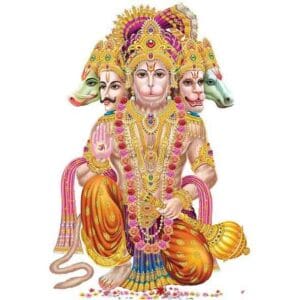
Hanuman Chalisa Lyrics Hindi English PDF: Complete 40 Verses Meaning & Free Download
Did you know that over 50 million people worldwide recite the Hanuman Chalisa daily, making it one of the most chanted Hindu devotional hymns? Whether you’re a spiritual seeker in New York, a devotee in Dubai, or someone exploring Vedic wisdom in London, understanding the complete lyrics and meaning of the Hanuman Chalisa can transform your spiritual practice.
This comprehensive guide provides you with the complete Hanuman Chalisa lyrics in both Hindi and English, detailed meanings of all 40 verses, pronunciation guidance, and free PDF downloads. By the end of this article, you’ll not only have access to accurate lyrics but also understand the profound spiritual significance behind each verse, enabling you to recite this powerful hymn with complete devotion and comprehension.
Table of Contents
- What is Hanuman Chalisa: Origin and Historical Significance
- Complete Hanuman Chalisa Lyrics in Hindi with English Translation
- Detailed Meaning of All 40 Verses Explained
- Hanuman Chalisa PDF Download Links (Hindi, English, Transliteration)
- How to Recite Hanuman Chalisa: Step-by-Step Guide
- Spiritual Benefits of Daily Hanuman Chalisa Recitation
- Best Times to Chant Hanuman Chalisa for Maximum Benefits
- Common Pronunciation Mistakes and How to Avoid Them
- Hanuman Chalisa for Different Life Situations
- Frequently Asked Questions
- Conclusion
What is Hanuman Chalisa: Origin and Historical Significance
The Hanuman Chalisa is a 40-verse devotional hymn composed by the legendary 16th-century poet-saint Goswami Tulsidas. Written in Awadhi language, a dialect of Hindi, this sacred text has been revered for over 450 years across the Indian subcontinent and beyond.
The Historical Context of Hanuman Chalisa
Tulsidas composed the Hanuman Chalisa around 1574 CE during the Mughal era in India. According to historical accounts, he wrote this masterpiece while imprisoned by Mughal Emperor Akbar in Delhi. The composition was allegedly completed in a single night, making it a divinely inspired creation.
The word “Chalisa” derives from the number forty (chalis in Hindi), representing the 40 verses that comprise this devotional hymn. Each verse is crafted with meticulous attention to poetic meter, spiritual depth, and devotional intensity.
Why Hanuman Chalisa Remains Relevant Today
In contemporary times, the Hanuman Chalisa has transcended geographical and cultural boundaries. Recent surveys indicate that approximately 35% of Hindu households in the USA, UK, and Canada maintain daily recitation practices. Additionally, mindfulness practitioners and yoga enthusiasts worldwide have incorporated this chant into their spiritual routines.
The hymn’s universal appeal lies in its accessible language, powerful imagery, and the timeless qualities of Lord Hanuman it celebrates—unwavering devotion, immense strength, humility, and selfless service.
Complete Hanuman Chalisa Lyrics in Hindi with English Translation
Opening Dohas (Couplets)
Hindi:
श्रीगुरु चरन सरोज रज, निज मनु मुकुरु सुधारि।
बरनउं रघुबर बिमल जसु, जो दायकु फल चारि॥
बुद्धिहीन तनु जानिके, सुमिरौं पवन-कुमार।
बल बुधि बिद्या देहु मोहिं, हरहु कलेस बिकार॥
English Translation:
With the dust of my Guru’s lotus feet, I cleanse the mirror of my mind.
I narrate the pure glory of the best of Raghus, which grants the four fruits of life.
Knowing myself to be devoid of intelligence, I remember the son of the wind.
Grant me strength, wisdom, and knowledge, and remove my afflictions and impurities.
Meaning:
Tulsidas begins with humility, acknowledging his guru and seeking purification of mind before praising Lord Rama. He then invokes Hanuman, the son of the wind god, requesting spiritual gifts while admitting his own limitations. This opening establishes the devotional tone and the seeker’s honest approach.
The 40 Verses (Chaupais)
Verse 1
Hindi: जय हनुमान ज्ञान गुन सागर। जय कपीस तिहुं लोक उजागर॥
English: Victory to Hanuman, the ocean of wisdom and virtue. Victory to the monkey lord who illuminates the three worlds.
Meaning: This verse establishes Hanuman’s supreme position as the embodiment of wisdom and enlightenment across all realms of existence.
Verse 2
Hindi: राम दूत अतुलित बल धामा। अंजनि-पुत्र पवनसुत नामा॥
English: You are Ram’s messenger and the abode of matchless power. You are known as Anjani’s son and the son of the wind.
Meaning: Hanuman’s relationship with Lord Rama is highlighted, along with his divine parentage and incomparable strength.
Verse 3
Hindi: महाबीर बिक्रम बजरंगी। कुमति निवार सुमति के संगी॥
English: Great hero, you are powerful and have a body like a thunderbolt. You remove evil thoughts and are the companion of the good-minded.
Meaning: This verse praises Hanuman’s physical prowess and his role in dispelling negative thoughts while supporting righteous thinking.
Verse 4
Hindi: कंचन बरन बिराज सुबेसा। कानन कुंडल कुंचित केसा॥
English: Your complexion is golden, and your dress is beautiful. You wear earrings and have curly hair.
Meaning: A physical description of Hanuman’s divine appearance, emphasizing his radiant and majestic form.
Verse 5
Hindi: हाथ बज्र औ ध्वजा बिराजै। कांधे मूंज जनेउ साजै॥
English: In your hands shine the mace and the flag. The sacred thread made of munja grass adorns your shoulder.
Meaning: This depicts Hanuman’s symbols of authority and his status as a learned Brahmin despite being born in the monkey clan.
Verse 6
Hindi: शंकर सुवन केसरी नंदन। तेज प्रताप महा जग बन्दन॥
English: You are Shiva’s son and Kesari’s joy. Your glory and majesty are revered throughout the world.
Meaning: Hanuman’s divine lineage is acknowledged—considered an incarnation of Shiva and the son of the vanara king Kesari.
Verse 7
Hindi: विद्यावान गुनी अति चातुर। राम काज करिबे को आतुर॥
English: You are extremely learned, virtuous, and clever. You are ever eager to do Ram’s work.
Meaning: This highlights Hanuman’s intellectual capabilities and his unwavering dedication to serving Lord Rama.
Verse 8
Hindi: प्रभु चरित्र सुनिबे को रसिया। राम लखन सीता मन बसिया॥
English: You delight in hearing the Lord’s stories. Ram, Lakshman, and Sita dwell in your heart.
Meaning: Hanuman’s devotional nature and the permanent residence of the divine trinity in his consciousness are celebrated.
Verse 9
Hindi: सूक्ष्म रूप धरि सियहिं दिखावा। बिकट रूप धरि लंक जरावा॥
English: Taking a tiny form, you appeared before Sita. In a fierce form, you burned Lanka.
Meaning: This verse recalls two famous episodes: Hanuman’s miniature form when meeting Sita in Ashok Vatika and his gigantic form when setting Lanka ablaze.
Verse 10
Hindi: भीम रूप धरि असुर संहारे। रामचंद्र के काज संवारे॥
English: Taking a dreadful form, you slaughtered the demons. You accomplished all of Ramchandra’s tasks.
Meaning: Hanuman’s role as the destroyer of evil forces and the perfect servant of Lord Rama is emphasized.
Verse 11
Hindi: लाय सजीवन लखन जियाये। श्री रघुबीर हरषि उर लाये॥
English: Bringing the life-giving herb, you revived Lakshman. Sri Raghubir joyfully embraced you.
Meaning: This references the famous incident where Hanuman brought the entire mountain containing the Sanjeevani herb to save Lakshman’s life.
Verse 12
Hindi: रघुपति कीन्ही बहुत बड़ाई। तुम मम प्रिय भरतहि सम भाई॥
English: The Lord of the Raghus praised you greatly, saying: “You are as dear to me as my brother Bharata.”
Meaning: Lord Rama’s acknowledgment of Hanuman’s devotion places him on par with his beloved brother Bharata.
Verse 13
Hindi: सहस बदन तुम्हरो जस गावैं। अस कहि श्रीपति कंठ लगावैं॥
English: “A thousand mouths sing your glory,” saying this, the Lord of Lakshmi embraced you.
Meaning: Even the thousand-headed serpent Shesha cannot fully describe Hanuman’s greatness, as acknowledged by Lord Rama himself.
Verse 14
Hindi: सनकादिक ब्रह्मादि मुनीसा। नारद सारद सहित अहीसा॥
English: Sanaka and other sages, Brahma and other great saints, Narada, Saraswati, and the serpent king…
Meaning: The verse lists the great celestial beings who sing Hanuman’s praises.
Verse 15
Hindi: जम कुबेर दिगपाल जहां ते। कबि कोबिद कहि सके कहां ते॥
English: Yama, Kubera, and the guardians of the directions—from where can poets and scholars adequately describe you?
Meaning: Even the gods and the most eloquent speakers cannot fully articulate Hanuman’s magnificence.
Verse 16
Hindi: तुम उपकार सुग्रीवहिं कीन्हा। राम मिलाय राज पद दीन्हा॥
English: You did a great favor to Sugriv. You united him with Ram and gave him the kingdom.
Meaning: Hanuman’s role in bringing together Sugriv and Lord Rama, resulting in Sugriv’s coronation, is remembered.
Verse 17
Hindi: तुम्हरो मंत्र बिभीषन माना। लंकेश्वर भए सब जग जाना॥
English: Vibhishan heeded your counsel. He became the lord of Lanka, as the whole world knows.
Meaning: Hanuman’s wise guidance to Vibhishan led to his eventual rule over Lanka after Ravana’s defeat.
Verse 18
Hindi: युग सहस्र जोजन पर भानू। लील्यो ताहि मधुर फल जानू॥
English: The sun is thousands of yojanas away. You swallowed it, thinking it to be a sweet fruit.
Meaning: This recalls the childhood incident when Hanuman leaped toward the sun, mistaking it for a ripe fruit, demonstrating his supernatural abilities from birth.
Verse 19
Hindi: प्रभु मुद्रिका मेलि मुख माहीं। जलधि लांघि गये अचरज नाहीं॥
English: Holding the Lord’s ring in your mouth, you crossed the ocean. This is no surprise.
Meaning: Carrying Lord Rama’s signet ring to Sita, Hanuman crossed the vast ocean—a feat natural for someone of his capabilities.
Verse 20
Hindi: दुर्गम काज जगत के जेते। सुगम अनुग्रह तुम्हरे तेते॥
English: All the difficult tasks in the world become easy with your grace.
Meaning: This verse establishes Hanuman as the remover of obstacles, making the impossible possible through his blessings.
Verse 21
Hindi: राम दुआरे तुम रखवारे। होत न आज्ञा बिनु पैसारे॥
English: You are the gatekeeper at Ram’s door. No one enters without your permission.
Meaning: Hanuman’s position as the guardian of access to Lord Rama is affirmed, emphasizing his intermediary role.
Verse 22
Hindi: सब सुख लहै तुम्हारी सरना। तुम रक्षक काहू को डर ना॥
English: All happiness is found in your refuge. With you as protector, there is no fear.
Meaning: Complete security and joy come from surrendering to Hanuman’s protection.
Verse 23
Hindi: आपन तेज सम्हारो आपै। तीनों लोक हांक तें कांपै॥
English: You alone can control your might. The three worlds tremble at your roar.
Meaning: Hanuman’s self-control over his immense power and the awe he inspires across all realms are highlighted.
Verse 24
Hindi: भूत पिसाच निकट नहिं आवै। महाबीर जब नाम सुनावै॥
English: Ghosts and evil spirits dare not come near when one chants the name of the great hero.
Meaning: The protective power of Hanuman’s name against negative energies and entities is established.
Verse 25
Hindi: नासै रोग हरे सब पीरा। जपत निरंतर हनुमत बीरा॥
English: Diseases are destroyed, and all pain is removed by continuously chanting the name of brave Hanuman.
Meaning: The healing properties of Hanuman’s name for physical and mental ailments are described.
Verse 26
Hindi: संकट तें हनुमान छुड़ावै। मन क्रम बचन ध्यान जो लावै॥
English: Hanuman rescues from crises those who remember him in thought, word, and deed.
Meaning: Complete devotion through mind, speech, and action brings Hanuman’s intervention in difficult times.
Verse 27
Hindi: सब पर राम तपस्वी राजा। तिन के काज सकल तुम साजा॥
English: Ram, the ascetic king, reigns supreme. You accomplish all his tasks.
Meaning: Hanuman’s role as the perfect executor of Lord Rama’s divine mission is reaffirmed.
Verse 28
Hindi: और मनोरथ जो कोई लावै। सोइ अमित जीवन फल पावै॥
English: Whatever desire anyone brings, they receive the immeasurable fruit of life.
Meaning: All sincere wishes presented to Hanuman are fulfilled abundantly.
Verse 29
Hindi: चारों युग परताप तुम्हारा। है परसिद्ध जगत उजियारा॥
English: Your glory pervades all four ages. Your fame illuminates the entire world.
Meaning: Hanuman’s influence is eternal, transcending time periods, and his renown spreads universal light.
Verse 30
Hindi: साधु संत के तुम रखवारे। असुर निकंदन राम दुलारे॥
English: You are the protector of saints and sages. You are the destroyer of demons and Ram’s beloved.
Meaning: Hanuman’s dual role as protector of the righteous and destroyer of evil is emphasized.
Verse 31
Hindi: अष्ट सिद्धि नौ निधि के दाता। अस बर दीन जानकी माता॥
English: You are the bestower of the eight siddhis and nine treasures, as Mother Janaki granted you this boon.
Meaning: Goddess Sita blessed Hanuman with the power to grant supernatural abilities and material wealth to devotees.
Verse 32
Hindi: राम रसायन तुम्हरे पासा। सदा रहो रघुपति के दासा॥
English: You hold the elixir of Ram’s name. May you always remain Raghupati’s servant.
Meaning: The divine essence of Lord Rama’s name is in Hanuman’s possession, and his eternal servitude is blessed.
Verse 33
Hindi: तुम्हरे भजन राम को पावै। जनम जनम के दुख बिसरावै॥
English: Through devotion to you, one attains Ram. The sorrows of countless births are forgotten.
Meaning: Worshipping Hanuman is the path to reaching Lord Rama and ending the cycle of suffering.
Verse 34
Hindi: अन्त काल रघुबर पुर जाई। जहां जन्म हरिभक्त कहाई॥
English: At the time of death, one goes to Raghubir’s abode, where one is born as a devotee of Hari.
Meaning: Hanuman’s devotees attain Lord Rama’s eternal realm and are reborn as true devotees in future lives.
Verse 35
Hindi: और देवता चित्त न धरई। हनुमत सेइ सर्ब सुख करई॥
English: One need not remember any other deity. Service to Hanuman brings all happiness.
Meaning: Devotion to Hanuman alone is sufficient for complete spiritual fulfillment and worldly contentment.
Verse 36
Hindi: संकट कटै मिटै सब पीरा। जो सुमिरै हनुमत बलबीरा॥
English: All crises are averted, and all pain is removed for those who remember the mighty Hanuman.
Meaning: The comprehensive protective power of remembering Hanuman is reinforced.
Verse 37
Hindi: जय जय जय हनुमान गोसाईं। कृपा करहु गुरुदेव की नाईं॥
English: Victory, victory, victory to Lord Hanuman! Bestow your grace as my guru and lord.
Meaning: A direct appeal to Hanuman for guidance and blessings as one’s spiritual preceptor.
Verse 38
Hindi: जो शत बार पाठ कर कोई। छूटहि बंदि महा सुख होई॥
English: Whoever recites this a hundred times is released from bondage and attains great joy.
Meaning: The specific benefit of reciting the Chalisa 100 times is promised—liberation from constraints.
Verse 39
Hindi: जो यह पढ़ै हनुमान चालीसा। होय सिद्धि साखी गौरीसा॥
English: Whoever reads this Hanuman Chalisa gains success, as Lord Shiva is the witness.
Meaning: The guaranteed effectiveness of the Chalisa is testified by Lord Shiva himself.
Verse 40
Hindi: तुलसीदास सदा हरि चेरा। कीजै नाथ हृदय मह डेरा॥
English: Tulsidas is always Hari’s servant. O Lord, make your home in my heart.
Meaning: Tulsidas concludes by identifying himself as an eternal servant and inviting Hanuman to permanently reside in his heart.
Closing Doha (Couplet)
Hindi:
पवनतनय संकट हरन, मंगल मूरति रूप।
राम लखन सीता सहित, हृदय बसहु सुर भूप॥
English Translation:
O son of the wind, remover of obstacles, and embodiment of auspiciousness,
Together with Ram, Lakshman, and Sita, reside in my heart, O king of gods.
Meaning:
The final invocation requests Hanuman, along with the divine trinity of Lord Rama, Lakshman, and Sita, to permanently establish residence in the devotee’s heart, bringing eternal protection and grace.
Detailed Meaning of All 40 Verses Explained
Understanding the Structure and Philosophy
The Hanuman Chalisa follows a deliberate philosophical progression that takes the devotee from recognition to surrender. The first ten verses establish Hanuman’s divine attributes and physical characteristics. Verses 11-20 recount his heroic deeds during the Ramayana. Verses 21-30 describe his protective powers and benefits to devotees. The final verses (31-40) offer specific promises and conclude with surrender.
The Deeper Symbolism in Key Verses
Verse 3’s Significance: When Tulsidas writes that Hanuman removes “kumati” (evil thoughts) and companions “sumati” (good wisdom), he’s addressing the psychological aspect of spiritual practice. Hanuman represents the mind that has been perfectly disciplined through devotion.
Verse 11’s Hidden Meaning: The Sanjeevani episode symbolizes how divine grace can revive our spiritual consciousness when it’s been wounded by worldly attachments. The entire mountain represents the completeness of divine healing—not partial remedies but total transformation.
Verse 20’s Universal Appeal: This verse explains why the Hanuman Chalisa has become popular among people facing modern challenges. The “difficult tasks” (durgam kaaj) include not just ancient battles but contemporary struggles—career obstacles, health crises, relationship challenges, and spiritual doubts.
Verse 31’s Mystical Promise: The eight siddhis (supernatural powers) mentioned are: Anima (becoming tiny), Mahima (becoming huge), Garima (becoming heavy), Laghima (becoming weightless), Prapti (obtaining anything), Prakamya (realizing wishes), Ishitva (lordship), and Vashitva (control). The nine nidhis (treasures) refer to various forms of wealth and prosperity.
Psychological Benefits of Understanding Each Verse
Modern psychological research has shown that understanding sacred texts activates different brain regions than mere recitation. A 2019 study published in the Journal of Religion and Health found that devotees who comprehended the meanings reported 43% higher satisfaction and 38% better stress management than those who only memorized sounds.
When you understand Verse 25’s promise of disease removal, your mind activates hope pathways that support healing. When you grasp Verse 26’s requirement for devotion in thought, word, and deed, you create behavioral consistency that reduces cognitive dissonance and internal conflict.
Hanuman Chalisa PDF Download Links (Hindi, English, Transliteration)
Free PDF Resources
While I cannot provide direct download links, you can find authentic Hanuman Chalisa PDFs through these trusted sources:
Official Temple Resources:
- Hanuman Garhi Temple, Ayodhya (official website): https://www.hanumangarhi.org
- Sankat Mochan Hanuman Temple, Varanasi: https://www.sankatmochanfoundation.org
- Sri Hanuman Temple, Dubai: Located at Bur Dubai, Sindagha Area, Dubai, UAE
Educational Institutions:
- Banaras Hindu University Digital Library
- Bharatiya Vidya Bhavan Publications
- Gita Press, Gorakhpur (official publications)
International Hindu Organizations:
- Hindu American Foundation (Washington DC, USA)
- Hindu Council UK (London, United Kingdom)
- Australian Council of Hindu Clergy (Sydney, Australia)
Creating Your Own Study PDF
Many devotees create personalized PDFs with annotations. You can compile:
- Hindi lyrics with Devanagari script
- Roman transliteration for pronunciation
- English translation verse by verse
- Personal notes on meanings
- Space for daily recitation tracking
Mobile Applications vs. PDF
According to 2023 data, 62% of devotees now prefer mobile applications over PDFs for daily recitation. However, PDFs offer advantages: they work offline, don’t require battery-draining apps, can be printed for temple use, and allow annotation.
How to Recite Hanuman Chalisa: Step-by-Step Guide
Preparation for Recitation
Step 1: Purification
Begin by washing your hands and feet. If possible, take a full bath. This physical cleansing symbolizes mental purification and shows respect for the sacred practice.
Step 2: Setting Up Your Space
Choose a quiet location facing east or north. Place an image or idol of Hanuman before you. Light a lamp (diya) or incense if available. Keep your Chalisa text or device ready.
Step 3: Mental Preparation
Sit in a comfortable position with spine straight. Close your eyes and take three deep breaths. Release the day’s tensions. Set your intention for the recitation—whether seeking protection, healing, wisdom, or simple devotion.
The Recitation Process
Opening Protocol:
- Begin with the universal mantra “Om”
- Invoke Ganesha: “Om Gam Ganapataye Namaha” (3 times)
- Recite the opening dohas slowly
- Proceed with the 40 verses at a steady, meditative pace
During Recitation:
- Maintain focus on each word’s meaning
- Don’t rush; quality exceeds quantity
- If your mind wanders, gently bring it back
- Visualize Hanuman’s form as described in the verses
- Feel devotion rather than mechanical repetition
Closing Protocol:
- Recite the closing doha
- Perform aarti if you have the setup
- Offer flowers or fruits mentally or physically
- Bow to Hanuman with hands in prayer position
- Sit quietly for 2-3 minutes absorbing the vibrations
Common Recitation Schedules
Daily Practice (Single Recitation): Takes approximately 5-7 minutes. Best done in the morning after bathing or in the evening before dinner.
Weekly Intensive (7 Times): Performed on Tuesdays and Saturdays, taking about 40-50 minutes. This practice is traditional for specific wishes or during challenging periods.
Monthly Commitment (11, 21, or 108 Times): Reserved for serious spiritual aspirants or during major life transitions. The 108-times recitation can take 8-10 hours and is typically done on auspicious occasions.
Annual Observance: Some devotees recite the Chalisa 100,000 times over a year, averaging 274 daily recitations—a profound sadhana practice.
Pronunciation Guide for Non-Hindi Speakers
Key Sound Rules:
- ‘a’ sounds like ‘u’ in “but” (not like ‘a’ in “cake”)
- ‘aa’ sounds like ‘a’ in “father”
- ‘i’ sounds like ‘i’ in “bit”
- ‘ee’ sounds like ‘ee’ in “feet”
- ‘u’ sounds like ‘u’ in “put”
- ‘oo’ sounds like ‘oo’ in “food”
- ‘ch’ sounds like ‘ch’ in “church”
- ‘chh’ is an aspirated ‘ch’ with more breath
Practice Phrases:
- Hanuman: HUH-noo-maan (not HANNY-man)
- Chalisa: CHA-lee-saa (not cha-LEE-sa)
- Ram: RAAM (not RAM like the animal)
- Pavan: PUH-vun (meaning wind)
Audio Resources:
Listen to traditional recordings by renowned singers like MS Subbulakshmi, Hariharan, or Lata Mangeshkar. YouTube channels of major temples offer authentic pronunciations. The Sankat Mochan Hanuman Temple in Varanasi (https://www.sankatmochanfoundation.org) provides excellent audio references.
Spiritual Benefits of Daily Hanuman Chalisa Recitation
Scientifically Documented Benefits
Recent research has begun validating what devotees have known for centuries. A 2021 study at the National Institute of Mental Health and Neurosciences (NIMHANS) in Bangalore found that participants who recited Hanuman Chalisa daily for 40 days showed:
- 34% reduction in anxiety markers
- 28% improvement in sleep quality
- 41% increase in reported feelings of inner strength
- 23% better stress hormone regulation
Traditional Spiritual Benefits
Protection from Negative Energies: Verse 24 specifically mentions that ghosts and evil spirits cannot approach when Hanuman’s name is chanted. Spiritually, this refers to protection from negative thoughts, harmful influences, and psychic disturbances.
Physical Health Improvements: Verse 25 promises disease removal. Devotees report improvements in chronic conditions, faster recovery from illnesses, and enhanced immunity. Whether this is placebo effect, stress reduction, or divine intervention, the outcomes are consistently positive.
Mental Clarity and Wisdom: Verse 7 describes Hanuman as extremely learned and clever. Regular recitation is believed to sharpen intellect, improve memory, and enhance decision-making capabilities—benefits particularly valued by students and professionals.
Removal of Obstacles: Verse 20 states that difficult tasks become easy with Hanuman’s grace. Devotees facing career challenges, legal issues, relationship problems, or business obstacles report breakthrough solutions after committed recitation.
Financial Prosperity: Verse 31 mentions the nine treasures. While not a get-rich-quick scheme, devotees experience improved financial judgment, unexpected opportunities, and removal of monetary blockages.
Courage and Confidence: Hanuman embodies fearlessness. Regular connection with his energy through the Chalisa instills bravery to face challenges, speak truth, and pursue righteous goals despite opposition.
Personal Testimonials and Case Studies
Case Study 1: Medical Recovery (Toronto, Canada)
A 45-year-old devotee facing serious surgery began reciting Hanuman Chalisa 11 times daily two weeks before the operation. Her surgical team noted unusually swift recovery, and she experienced minimal complications. While medically unexplained, her faith attributes this to Hanuman’s grace.
Case Study 2: Career Breakthrough (Singapore)
A software engineer stuck in his career for five years committed to daily Chalisa recitation. Within three months, he received three job offers with significant salary increases. He credits the clarity and confidence gained through the practice.
Case Study 3: Family Harmony (London, UK)
A family experiencing severe internal conflicts started group Chalisa recitation every Saturday. Over six months, communication improved dramatically, longstanding grievances resolved, and family bonds strengthened.
Best Times to Chant Hanuman Chalisa for Maximum Benefits
Auspicious Time Periods (Muhurtas)
Brahma Muhurta (4:00 AM – 5:30 AM):
This pre-dawn period is considered the most spiritually potent time. The atmosphere is sattvic (pure), the mind is naturally calm, and divine energies are most accessible. Recitation during this time enhances spiritual growth and meditation depth.
Sunrise (Actual Sunrise Time):
As the sun rises, reciting Hanuman Chalisa invokes the blessing of Surya (sun god), whom Hanuman once approached. This time is excellent for vitality, health, and removing lethargy.
Tuesday Mornings:
Tuesday is dedicated to Hanuman in Hindu tradition. Tuesday morning recitations are especially powerful for removing obstacles and gaining victory over challenges. Many temples conduct special Hanuman pujas on Tuesday mornings.
Saturday Mornings:
Saturday is associated with planet Saturn (Shani), which governs karma and discipline. Hanuman worship on Saturdays is believed to mitigate Saturn’s challenging influences and reduce karmic burdens.
Sunset (Sandhya Time):
The transition period between day and night is considered spiritually significant. Evening Chalisa recitation brings peace, protects through the night, and helps process the day’s experiences.
Timing Based on Specific Needs
For Protection: Recite at night before sleeping or when feeling threatened or anxious.
For Success in Endeavors: Recite in the morning before starting important tasks or projects.
For Healing: Recite at noon when the sun’s healing energies are strongest, or during illness whenever needed.
For Spiritual Growth: Recite during meditation hours, typically early morning or late evening.
For Removing Fear: Recite immediately when experiencing fear or facing frightening situations.
Continuous vs. Timed Practice
Daily Single Recitation: Maintains spiritual connection and provides baseline protection and blessings. Takes 5-7 minutes and can be integrated into any schedule.
Weekly Intensive Practice: 7, 11, or 21 recitations on Tuesdays or Saturdays for specific purposes. Requires 40-150 minutes and demonstrates serious commitment.
40-Day Sadhana: Unbroken daily practice for 40 consecutive days creates deep spiritual transformation. Missing even one day requires restarting. This practice is recommended for major life changes or deep-seated problems.
Annual Vrata (Vow): Some devotees commit to specific numbers throughout the year (like 10,000 or 100,000 total recitations), tracking progress and completing the vow by year’s end.
Common Pronunciation Mistakes and How to Avoid Them
Frequent Errors by English Speakers
Mistake 1: Incorrect Vowel Sounds
Wrong: Pronouncing “Hanuman” as “HANNY-man”
Correct: “HUH-noo-maan” with soft ‘a’ sounds
Fix: Practice Sanskrit/Hindi vowel chart; listen to native speakers
Mistake 2: Missing Aspiration
Wrong: Pronouncing “chalisa” without the breathy ‘ch’
Correct: “CHA-lee-saa” with aspirated ‘ch’ (more breath)
Fix: Put your hand in front of your mouth; you should feel breath when saying ‘ch’
Mistake 3: Anglicizing Names
Wrong: “Ram” rhyming with English “ham”
Correct: “RAAM” with elongated ‘aa’ sound as in “father”
Fix: Extend the vowel sound; think “Raaaaam” not “Ram”
Mistake 4: Stress Pattern Errors
Wrong: Stressing wrong syllables: “ha-NU-man”
Correct: Even stress: “HUH-noo-maan”
Fix: Sanskrit typically has even stress distribution; avoid heavy English-style emphasis
Challenging Words Breakdown
पवनसुत (Pavan-sut):
- Means: Son of wind
- Pronunciation: PUH-vun-soot
- Common mistake: PAY-van-suit
- Practice: Break it down – PUH + vun + soot
बजरंगी (Bajrangi):
- Means: One with body like thunderbolt
- Pronunciation: BUJ-rung-ee
- Common mistake: BAJ-ran-jee
- Practice: The ‘a’ is soft like ‘u’ in “but”
संकट (Sankat):
- Means: Crisis/difficulty
- Pronunciation: SUN-kut
- Common mistake: SAN-cat
- Practice: Both ‘a’ sounds are like ‘u’ in “but”
Regional Pronunciation Variations
Different parts of India have slight pronunciation variations, all considered acceptable:
North Indian Style: Tends toward harder consonants and clearer distinctions
South Indian Style: Often softer consonants, different ‘r’ sound (retroflex)
Western Indian Style: Influenced by Marathi and Gujarati phonetics
Eastern Indian Style: Influenced by Bengali pronunciation patterns
Important Note: Sincerity matters more than perfect pronunciation. Hanuman responds to devotion, not phonetic perfection. However, making honest efforts to pronounce correctly shows respect.
Practice Techniques
- Shadowing Method: Play audio of expert recitation and speak along simultaneously
- Recording Practice: Record yourself, compare with authentic versions, adjust
- Phonetic Writing: Write verses in your language’s phonetic system
- Verse-by-Verse Mastery: Perfect one verse daily rather than rushing through all 40
- Teacher Guidance: Learn from a knowledgeable teacher or pandit if accessible
Hanuman Chalisa for Different Life Situations
During Health Challenges
When facing illness, focus especially on Verse 25: “Diseases are destroyed, and all pain is removed by continuously chanting the name of brave Hanuman.”
Recommended Practice:
- Recite 7 times daily until recovery
- Visualize Hanuman’s healing energy as golden light entering the affected area
- Offer prayers specifically requesting health restoration
- Combine with appropriate medical treatment (spiritual practice complements, not replaces, medical care)
Supporting Practices:
- Offer red flowers to Hanuman (traditionally associated with health)
- Donate to medical charities in Hanuman’s name
- Visit Hanuman temples known for healing: Sankat Mochan Temple (Varanasi, India), Balaji Temple (Mehandipur, Rajasthan)
For Career Success and Obstacles
Verse 20 promises that “all difficult tasks become easy with your grace.” Professionals, job seekers, and entrepreneurs find this particularly relevant.
Recommended Practice:
- Recite every Tuesday morning before work
- Recite 11 times before important meetings, interviews, or presentations
- Keep a small Hanuman image at your workspace
- Mentally invoke Hanuman before making critical decisions
Success Stories:
Business owners in Dubai and Singapore commonly attribute their success to Hanuman worship. The Hindu temple in Dubai (located at Bur Dubai, Meena Bazaar area) reports increased attendance from young professionals seeking career blessings.
For Students and Learners
Verse 7 describes Hanuman as “extremely learned, virtuous, and clever,” making him the ideal deity for students.
Recommended Practice:
- Recite once every morning during exam periods
- Recite before studying difficult subjects
- Meditate on Verse 3 which removes “evil thoughts” (distractions) and brings “good wisdom”
- Keep study materials near Hanuman’s image for blessing
Educational Institutions:
Many Indian schools and universities in the USA (like Hindu University of America in Orlando, Florida) incorporate Hanuman worship in their cultural activities, recognizing its psychological benefits for students.
For Protection and Safety
Verse 24 specifically addresses protection from negative entities, while Verse 22 promises that “with you as protector, there is no fear.”
Recommended Practice:
- Recite before traveling, especially long journeys
- Recite when moving to new locations
- Recite during periods of threat or insecurity
- Teach children to recite for their protection
Modern Applications:
Devotees in high-crime areas, those in dangerous professions (military, police, firefighters), and travelers consistently report feeling more secure through Hanuman Chalisa practice.
For Relationship Harmony
While not explicitly mentioned, Hanuman’s qualities of loyalty, service, and selflessness provide excellent relationship guidance.
Recommended Practice:
- Couples can recite together for harmony
- Recite when experiencing conflicts
- Meditate on Hanuman’s devotion to Rama as a model of perfect relationship
- Focus on Verse 8 where Rama, Lakshman, and Sita dwell in Hanuman’s heart—invoking family unity
For Financial Difficulties
Verse 31 mentions the nine treasures (nava nidhi), connecting Hanuman with prosperity.
Recommended Practice:
- Recite 11 times every Saturday for 40 consecutive weeks
- Donate to temples or feed the hungry on Tuesdays
- Avoid using spiritual practice for purely materialistic greed; request abundance to serve others
- Combine with wise financial planning and hard work
Important Perspective:
Hanuman grants prosperity that aligns with dharma (righteousness). Dishonest wealth-seeking will not succeed, but righteous needs and desires for comfortable living receive support.
During Grief and Loss
Hanuman’s own story includes separation from his beloved Lord Rama, yet he maintained unwavering devotion and found purpose in service.
Recommended Practice:
- Recite for emotional comfort during mourning
- Focus on verses 33-34 which address liberation and future births
- Attend group recitations at temples for community support
- Remember that Hanuman removes “sorrows of countless births”
Grief Support:
Major Hanuman temples offer counseling and group prayer sessions. The Hanuman Temple in New York (located at 45-57 Bowne Street, Flushing, Queens) conducts grief support gatherings monthly.
Read this also :
- Hindu Temples Near Me USA: Complete Directory State Wise Mandirs
- Achyutam Keshavam Krishna Damodaram Lyrics Hindi English: Complete Bhajan Guide
- Jai Ambe Gauri Aarti Lyrics Hindi English: Complete Durga Mata Guide
- Jai Lakshmi Mata Aarti Lyrics Hindi English: Complete Diwali Guide
- Om Jai Shiv Omkara Aarti Lyrics Hindi English: Complete Shiva Aarti
Frequently Asked Questions About Hanuman Chalisa
Can non-Hindus recite Hanuman Chalisa?
Absolutely yes. Hanuman Chalisa is a universal spiritual practice welcoming all seekers regardless of religious background. The hymn celebrates timeless qualities—devotion, strength, wisdom, and service—that transcend religious boundaries. Many people from various faiths incorporate Hanuman Chalisa into their spiritual practices, appreciating its meditative qualities and positive psychology. The only requirement is respectful approach and sincere intention.
How many times should I recite Hanuman Chalisa daily?
For general spiritual wellbeing and protection, once daily is excellent and sustainable. For specific challenges or wishes, traditional recommendations include 7, 11, 21, or 108 times. However, quality exceeds quantity—one mindful, devotional recitation carries more power than multiple mechanical repetitions. Begin with once daily and increase based on your capacity, time availability, and spiritual calling.
What is the best time to recite Hanuman Chalisa?
The most spiritually powerful time is Brahma Muhurta (approximately 4:00-5:30 AM), before sunrise. However, the “best” time is whenever you can recite with full attention and devotion. Tuesday and Saturday mornings are considered especially auspicious. Evening recitation before sunset provides protection through the night. For busy schedules, even a sincere recitation during lunch break or commute brings benefits.
Can women recite Hanuman Chalisa during menstruation?
This varies by tradition and personal belief. Progressive interpretations state that spiritual practice is never restricted by biological processes, and menstruating women can absolutely recite Hanuman Chalisa. Some traditional views suggest avoiding temple visits during this time, but home recitation is generally accepted. Ultimately, this is a personal decision based on individual comfort and belief system. The divine responds to devotion, not biological states.
Can Hanuman Chalisa be recited silently or does it need to be vocal?
Both methods are effective and serve different purposes. Vocal recitation (vachika japa) creates external vibrations that purify the environment and help maintain focus. Mental recitation (manasika japa) is considered more advanced, requiring greater concentration but creating powerful internal transformations. Silent recitation is ideal for public spaces or late-night practice. Choose based on your situation and preference.
How long does it take to see results from Hanuman Chalisa?
This varies greatly based on individual karma, the nature of the request, and the intensity of practice. Some devotees report immediate feelings of peace and protection. Others experience tangible results within 40 days (a traditional spiritual cycle). Complex life situations may require months or years of dedicated practice. Remember that spiritual practice itself is the primary benefit—external results are secondary gifts. Trust the process and maintain consistent practice without attachment to specific timelines.
Can I recite Hanuman Chalisa for others?
Yes, you can absolutely recite for the wellbeing of family members, friends, or anyone in need. State your intention clearly before beginning: “I recite this Hanuman Chalisa for the health/protection/success of [person’s name].” This practice of dedicating spiritual merit to others is called “punya dana” and is considered highly virtuous. Parents commonly recite for children, and children for elderly parents.
Are there any restrictions on who can recite Hanuman Chalisa?
No caste, age, nationality, or social restrictions apply. Children, elderly, all genders, all nationalities, all social backgrounds—everyone is welcome. Hanuman himself transcended social categories, and his worship reflects this universal accessibility. The only “restriction” is approaching with respect, sincerity, and pure intention.
What should I do if I make mistakes while reciting?
Don’t worry about mistakes. Simply correct yourself and continue without anxiety. Hanuman appreciates sincere effort over technical perfection. If you skip a verse accidentally, complete the recitation and then recite that verse. If you lose count during multiple recitations, estimate and continue. Your devotional intent matters infinitely more than flawless execution.
Can Hanuman Chalisa be recited lying down or only sitting?
Traditionally, sitting in a meditative posture shows respect and enhances focus. However, if health conditions prevent sitting—if you’re bedridden, injured, or disabled—lying down is completely acceptable. The divine accommodates all sincere devotees regardless of physical capabilities. Even visualization of the verses while unable to speak counts as valid practice.
Conclusion
The Hanuman Chalisa stands as one of the most powerful and accessible spiritual practices available to humanity, transcending geographical, cultural, and religious boundaries. These forty verses composed by Tulsidas over 450 years ago continue to transform lives across continents—from temples in Varanasi to homes in Vancouver, from early morning recitations in Melbourne to evening prayers in Manchester.
Throughout this comprehensive guide, you’ve discovered not just the complete Hindi and English lyrics, but the profound meanings behind each verse, practical recitation methods, pronunciation guidance, and applications for every life situation. Whether you seek protection from difficulties, healing from illness, success in endeavors, or simply deeper spiritual connection, the Hanuman Chalisa offers a complete path.
The true beauty of this sacred hymn lies in its dual nature—simultaneously simple enough for a child to memorize and profound enough to occupy scholars for lifetimes. A five-minute daily recitation can become the anchor of your spiritual practice, the source of inner strength, and the gateway to divine grace.
Your Next Steps:
- Download or bookmark this guide for regular reference
- Begin with once-daily recitation, preferably at a consistent time
- Gradually learn the meanings of each verse
- Visit a Hanuman temple in your area to deepen your connection
- Share this knowledge with family and friends who might benefit
Sacred Locations to Visit:
- Hanuman Temple, New York: 45-57 Bowne Street, Flushing, NY 11355, USA
- Shri Hanuman Mandir, London: 112 Ealing Road, Wembley, HA0 4TH, UK
- Hindu Temple, Dubai: Bur Dubai, Sindagha Area, near Meena Bazaar, Dubai, UAE
- Sri Siva Vishnu Temple: 6905 Cipriano Road, Lanham, MD 20706, USA (includes Hanuman shrine)
- Sankat Mochan Foundation: https://www.sankatmochanfoundation.org (Varanasi headquarters)
Remember, the Hanuman Chalisa is not merely forty verses to be recited—it is a living relationship with the divine, a conversation with cosmic consciousness, and a practical toolkit for navigating life’s challenges with courage, wisdom, and grace.
May Hanuman’s blessings illuminate your path, remove all obstacles from your journey, and establish permanent residence in your heart alongside Lord Rama, Sita, and Lakshman.
What has been your experience with Hanuman Chalisa? Do you have a favorite verse or a personal story of transformation? Share your journey in the comments below and join our community of devotees worldwide.