Arizona and Colorado Navratri 2025: Southwest & Mountain States Hindu community festival celebrations. Dates, muhurat (AZ no‑DST/CO MDT), temples, garba tickets, transit, fasting, and family tips.
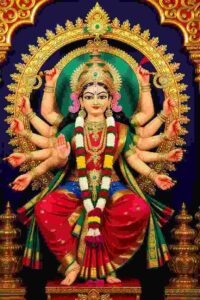
Arizona and Colorado Navratri 2025: Southwest and Mountain States Hindu Community Festival Celebrations
Arizona and Colorado Navratri 2025: Southwest and Mountain States Hindu Community Festival Celebrations brings nine sacred nights (and Vijayadashami) into sharp focus for families across Phoenix, Tucson, Chandler, Tempe, Denver, Aurora, Boulder, Fort Collins, and Colorado Springs. This planning‑first guide is written for the Southwest & Mountain States Hindu Communities who want to honor tithis accurately (Arizona’s unique no‑DST vs. Colorado’s MDT), choose the right temple aarti and garba nights, navigate Valley Metro/RTD or freeway driving with parking buffers, and keep kids and elders comfortable in desert and high‑altitude fall weather.
Inside, you’ll find a ten‑day calendar overview, city‑specific muhurat verification tips, temple‑network spotlights, garba/dandiya event formats and ticket cues, transit and driving windows, fasting menus with local shopping clusters, safety and photo etiquette, and organizer timelines. Use this to plan a devotional, safe, and on‑time Navratri—and a joyful Vijayadashami—across Arizona and Colorado.
- Reading time: 22–28 minutes
- Best for: Families, students, temple visitors, volunteers, and cultural organizers in AZ & CO
Table of Contents
- At a Glance: 2025 Highlights (Featured Snippet)
- Dates & Muhurat by State: Arizona (no‑DST) vs. Colorado (MDT)
- Temple‑Network Snapshot (Verify Locally)
- City & Regional Guides
- Event Formats: Aarti, Ramlila, Garba/Dandiya, Melas
- Tickets & Budgets (USD): Typical Ranges and Sample Plans
- Transit & Driving Windows: Valley Metro, Sun Tran, RTD, and Freeways
- Fasting (Vrat): Allowed Foods, 7‑Day Menu, and Where to Shop Locally
- What to Wear & Bring: Desert + High‑Altitude Fall Layering
- Safety & Etiquette: LED/Projection, Marshal Lanes, Photo Consent
- Organizer’s Corner: 30‑Day Timeline, Permits, and Low‑Waste
- Digital & Hybrid Participation
- Case Studies: AZ & CO Family Playbooks
- Key Statistics & Trends (with sources)
- Resources: Internal & External Links
- Checklists You Can Use Today
- Frequently Asked Questions
- Conclusion & CTA
At a Glance: 2025 Highlights (Featured Snippet)
- Dates (verify locally): Many panchangs list Navratri Day 1 as Mon, Sept 22, 2025; Maha Ashtami Mon, Sept 29; Maha Navami Tue, Sept 30; Vijayadashami (Dussehra) Wed, Oct 1.
- Time zones: Arizona remains on MST year‑round (no DST). Colorado observes MDT in Sept/Oct—muhurat windows differ.
- Temples & hubs (verify specific schedules):
- Arizona: BAPS Shri Swaminarayan Mandir (Chandler), Maha Ganapati Temple of Arizona (Maricopa), regional mandirs/cultural centers (Phoenix metro), and satsang groups in Tucson.
- Colorado: Hindu Temple & Cultural Center of the Rockies (Denver area), Durga Temple of Colorado (Littleton), ISKCON Denver, regional mandirs and community halls.
- Community nights: Garba/dandiya in school/community halls; family sessions earlier; youth/high‑tempo later; soft‑tipped sticks only; RSVP/tickets common.
- Transit: Valley Metro Rail/Bus (PHX), Sun Tran (Tucson), RTD Rail/Bus (Denver metro). Driving/parking remains primary—add 20–30 minutes on Fri/Sat.
- Weather & altitude: Desert evenings can swing warm→cool; Front Range is crisp and drier at elevation. Layer up and hydrate.
- Safety: LED/projection stagecraft (no flame/pyro); clear marshal lanes; consent‑first photos; aisle discipline.
- Families: Aisle seats; outer ring for kids; ear protection for sound‑sensitive; “three songs, one break” rhythm.
Best practice: Worship by muhurat at home (Aparahna/Vijay Muhurat on Day 10), then attend temple aarti and a nearby family garba or Ramlila in the evening. Confirm schedules 1–3 weeks prior on official pages.
Dates & Muhurat by State: Arizona (no‑DST) vs. Colorado (MDT)
Navratri/Dussehra observance is tithi‑based (lunar), not civil‑date based. The exact windows depend on local sunrise/sunset and your time zone.
- Arizona: Remains on Mountain Standard Time (MST, UTC‑7) year‑round—no daylight saving shift.
- Colorado: On Mountain Daylight Time (MDT, UTC‑6) during Navratri 2025 (late Sept–early Oct).
3‑minute verification routine:
- Open a reliable panchang and set your city (e.g., Phoenix, Tucson, Denver, Boulder, Colorado Springs, Fort Collins).
- Note Ghatasthapana (Day 1 morning), Sandhi Puja (Ashtami→Navami), and Dussehra Aparahna/Vijay Muhurat (afternoon).
- Cross‑check with your temple’s bulletin or social channels. If a tithi spans two civil days, follow your sampradaya or the temple you attend—both are respected.
Workday tip:
- Keep a 10–15 minute micro‑puja kit (LED diya, flower). Offer Aparajita/Ayudha Puja during a feasible slice of the Vijay Muhurat; attend temple aarti in the evening.
Temple‑Network Snapshot (Verify Locally)
Below are commonly referenced hubs devotees in each metro attend. Always verify exact addresses, timings, and policies on official websites and pages.
- Arizona (Phoenix Metro & Region)
- BAPS Shri Swaminarayan Mandir (Chandler)
- Maha Ganapati Temple of Arizona (Maricopa)
- Regional mandirs/cultural halls and satsang centers in Phoenix–Chandler–Tempe–Scottsdale–Glendale
- Devotee circles and students in Tucson organize community evenings
- Colorado (Denver Metro & Region)
- Hindu Temple & Cultural Center of the Rockies (Denver area)
- Durga Temple of Colorado (Littleton)
- ISKCON Denver
- Regional mandirs/community halls in Aurora, Arvada, Lakewood, Boulder, Fort Collins, Colorado Springs
Names are provided as navigation aids—always confirm aarti windows, cultural programs, and house rules directly with each temple/community.
City & Regional Guides
Phoenix Metro (Phoenix–Chandler–Tempe–Scottsdale–Glendale)
What to expect
- Temple aarti on peak nights (Ashtami/Navami/Dussehra), bhajans/satsang, and community garba in school/community halls.
- Family sessions labeled earlier; youth/high‑tempo later; soft‑tipped sticks only; tutorials help newcomers.
Travel & parking
- Valley Metro Rail connects Phoenix–Tempe–Mesa spines; use Bus or rideshare for last‑mile to many venues.
- Freeways (I‑10, I‑17, US‑60, Loop 101/202) are primary; add 20–30 minutes on Fri/Sat for parking and check‑in; photograph your bay and set a WhatsApp meet‑up pin.
Family tips
- Desert evenings can start warm and finish cool—light layers.
- Hydrate early and often; altitude isn’t a factor, but dryness is.
- Aisle seating; outer ring for kids; ear protection for sound‑sensitive children.
Tucson & Southern Arizona
What to expect
- Devotional evenings via temples/cultural centers and volunteer‑led community garba; compact, family‑friendly programs.
- Bilingual announcements where possible; tutorials at the start for newcomers.
Travel & parking
- Sun Tran bus network; driving is common; plan easy parking near community halls; arrive 20–30 minutes early.
Family tips
- Keep sessions short for toddlers: “two songs, one break.”
- Bring water and a light shawl; avoid inner‑ring density.
Denver Metro (Denver–Aurora–Littleton–Arvada–Lakewood)
What to expect
- Temple aarti and satsang; cultural showcases; garba/dandiya in school/community halls.
- Family sessions earlier; youth later; most nights ticketed/RSVP.
Travel & parking
- RTD Rail/Bus for inner‑metro trips; consider Park‑n‑Ride and a short rideshare.
- Freeways (I‑25, I‑70, C‑470, US‑36) back up on Fri/Sat; add 20–30 minutes for parking/check‑in.
Altitude & comfort
- Mile‑high dryness and cooler evenings—hydrate, lip balm, and layers.
- Aisle seats for elders; outer ring for kids.
Boulder–Fort Collins–Greeley Corridor
What to expect
- University‑adjacent garba nights (student associations) and regional temple/community evenings; on‑time starts; limited capacity—RSVP early.
Travel & parking
- Work with RTD/Transit (Boulder), TransFort (Fort Collins); many events favor driving + parking buffers.
Family tips
- Foam sticks for kids; mid‑house off‑center for softer sound; avoid mid‑circle photos.
Colorado Springs & Pikes Peak Region
What to expect
- Intimate devotional programs and family garba; warm volunteer culture.
- Early exits with toddlers recommended.
Travel & parking
- Driving is common; plan a meet‑up pin and pre‑book rideshare for 10–15 minutes before exit.
Family tips
- Keep to outer rings; “three songs, one break” rhythm; layers for crisp nights.
Event Formats: Aarti, Ramlila, Garba/Dandiya, Melas
- Temple aarti & satsang: Daily aartis during Navratri; peak nights see larger prasad lines; quiet near sanctum; phones on silent.
- Ramlila scenes (bilingual): 45–90 minutes; LED/projection (no flame) for Lanka Dahan; family aarti to close where scheduled.
- Garba/dandiya: Family sessions earlier; youth/high‑tempo later; tutorials at the start help newcomers; soft‑tipped sticks; supportive shoes; water refill stations where available.
- Melas: Satvik food stalls, kids’ crafts, “one good choice” pledge walls, temple outreach, and sponsor tables.
Tickets & Budgets (USD): Typical Ranges and Sample Plans
Indicative adult ranges (verify locally)
- Temple RSVP cultural evening: Free–$15
- Community hall garba (local band/DJ): $15–$35
- Mid‑scale indoor (weekend): $30–$60
- Premium/celebrity weekends: $50–$125+
- Kids tickets (when applicable): Free–$20 (varies by age policy)
Common add‑ons
- Dandiya sticks (soft‑tipped/pair): $5–$15
- Parking: $0–$10 (venue/area dependent)
- Transit: Valley Metro/RTD adult fares ~$2–$3 each way; rideshare $12–$35 one‑way
- Water/snacks: $3–$10 (if outside food is restricted)
Sample budgets
| Group | Scenario | Estimated Total |
|---|---|---|
| Solo saver | Ticket $20 + sticks $8 + transit $6 + water $3 | $37 |
| Couple smart | 2×$40 tickets + sticks $10 + rideshare $30 (round) + snacks $12 | $132 |
| Family of 4 | (2×$35 + 2×$10) + sticks $10 + parking $10 + snacks $16 | $126 |
Savings stack
- Early‑bird tiers + weeknights (Mon–Thu) + family/group bundles; volunteer roles sometimes include free/discounted entry—ask early; share sticks and rotate turns.
Transit & Driving Windows: Valley Metro, Sun Tran, RTD, and Freeways
- Phoenix Metro: Valley Metro Rail (PHX–Tempe–Mesa) + buses; plan last trains; freeways I‑10/I‑17/US‑60/Loop 101/202; arrive early for parking.
- Tucson: Sun Tran/Sun Link Streetcar for campus/city trips; driving common for community halls; photograph parking bay.
- Denver Metro: RTD Rail/Bus; Park‑n‑Ride + rideshare for last‑mile; I‑25/I‑70/C‑470 corridors back up on Fri/Sat.
- Regional drives: For Boulder/Fort Collins/Colorado Springs or Tucson/Maricopa, carpool and set a meet‑up pin; schedule return rideshares 10–15 minutes before exit.
Accessibility
- Accessible spaces near entrances; ushers guide companion seating and low‑step rows—ask early.
Transit + short rideshare is often calmer (and cheaper) than inner‑city parking on Saturdays.
Fasting (Vrat): Allowed Foods, 7‑Day Menu, and Where to Shop Locally
Commonly allowed (confirm your tradition)
- Fruits, milk, yogurt, nuts, dates
- Sabudana (tapioca), kuttu (buckwheat), singhara (water chestnut)
- Samak ke chawal (barnyard millet), rajgira (amaranth), potatoes/sweet potatoes
- Sendha namak (rock salt), cumin, lemon, black pepper
- Ghee, coconut/peanut oil
Usually avoided
- Regular salt; grains (wheat/rice); most pulses (except kala chana after Ashtami in some traditions); onion/garlic; unknown additives.
7‑day vrat menu (mix & match)
- Breakfasts: Fruit + yogurt; roasted makhana; banana‑date smoothie
- Lunches: Samak khichdi + peanuts; cucumber raita; sweet potato chaat (sendha namak)
- Snacks: Sabudana chivda; baked sweet potato wedges; nuts + dates
- Dinners: Kuttu rotis + aloo sabzi; rajgira porridge; paneer (if allowed)
- Desserts: Sabudana kheer; coconut laddoos; dates‑based kheer
Where to shop (examples)
- Phoenix Metro: Indian grocers across Chandler/Tempe, North Phoenix/Glendale, Scottsdale corridors; check for vrat flours and sendha namak labels.
- Tucson: Regional Indian grocers and big‑box international aisles; verify kuttu/singhara.
- Denver Metro: Indian grocers in Aurora/Centennial, Arvada/Westminster, and Denver city; mithai shops near temple clusters.
- Boulder–Fort Collins: Regional grocers; call ahead for vrat flours; temple stalls sometimes carry staples on peak nights.
- Colorado Springs: Fewer specialty stores—shop earlier in the week or on Denver trips.
Hydration & health
- Water, coconut water, lemon water + a pinch of sendha namak.
- If you have medical conditions, consult your physician before fasting.
- Kids/pregnant women can choose satvik meals without fasting and still participate fully.
What to Wear & Bring: Desert + High‑Altitude Fall Layering
- Layers: Desert evenings (AZ) can swing warm→cool; Front Range (CO) is crisp and dry—carry a light shawl or shell.
- Footwear: Cushioned juttis/mojaris, dance sneakers, or low wedges with ankle straps; add gel insoles for concrete floors.
- Bag: Small crossbody/potli for phone/ID/QR; avoid heavy totes in circles.
- Sticks: Soft‑tipped only; cloth sleeve for carry.
- Extras: Hair ties, safety pins, band‑aids, hand wipes, oil‑control sheets; lip balm (CO dryness); compact umbrella (AZ pop‑ups/CO sprinkles).
Photo‑ready
- Jewel tones and mid‑brights photograph best under LEDs; avoid neon that “blows out” in photos.
Safety & Etiquette: LED/Projection, Marshal Lanes, Photo Consent
- Stagecraft: U.S. venues restrict open flames/pyro—expect LED/projection effects.
- Floor: Keep aisles & marshal lanes clear; rejoin circles from the outside; never stop mid‑flow for photos.
- Sticks: Soft‑tipped only; tap near ends; “eyes up, elbows down.”
- Phones: Silent during aarti/performances; respect no‑recording areas.
- Consent: Ask before close‑ups—especially of children; follow “no‑photo” signs.
- Cleanliness: Use labeled bins; minimize single‑use plastics; refill bottles if allowed.
Organizer’s Corner: 30‑Day Timeline, Permits, and Low‑Waste
30‑day timeline (community event)
- Define scope: aarti + bhajans, garba/dandiya, Ramlila block, or family mela.
- Book venue; confirm capacity, Certificate of Insurance (COI), and fire‑code restrictions (no open flame).
- Secure priest/emcee, band/DJ, youth items; open RSVPs/tickets.
- Lock AV/stage; set decibel limits; schedule rehearsals; tape cables; guard stands.
- Map flow: exits, marshal lanes, water stations, accessible + stroller seating.
- Publish bag/stick/water/photo policy; add transit/parking details (Valley Metro/RTD).
- Label prasad/snacks for allergens; set waste sorting (recycle/landfill); provide refill water.
- Tech run; finalize run‑of‑show; print accessibility‑friendly programs with a venue map.
- Safety walk‑through; post first‑aid/lost‑and‑found contacts; brief ushers.
- Assign day‑of roles; keep 5‑minute buffers; collect impact metrics (attendance, volunteers, water refills, waste diverted).
Permits & compliance
- Coordinate with your city (Phoenix/Tempe/Chandler/Maricopa; Denver/Aurora/Littleton/Boulder/Fort Collins/Colorado Springs) for special events: occupancy, amplified sound, food service.
- Fire code: no open flame/pyro; LED/projection preferred.
- Accessibility: Mark accessible routes and companion seating; ensure signed exits.
Low‑waste
- Reusable décor; refill water stations; digital programs (QR); foam sticks for kids (collect for reuse).
Digital & Hybrid Participation
- Mini home puja: 10–15 minutes during Vijay Muhurat; attend temple aarti later.
- Livestream/highlight reels: Follow temple/community pages when you can’t attend nightly.
- Family sync: 15‑minute bhajan at home; arrive for Act II or aarti.
Tech tips
- Do Not Disturb during puja/performances; short, steady clips > long shaky videos; respect no‑recording zones.
Case Studies: AZ & CO Family Playbooks
Priya’s “East Valley Triangle” (Phoenix–Chandler–Tempe)
Priya verified the AZ muhurat (no‑DST), did a 12‑minute Aparajita Puja at home, reached a temple aarti 25 minutes early, and then joined a family garba at a Tempe community hall. With aisle seating and a pre‑peak exit, the kids were home by 9:15 PM—calm and complete.
Vikram’s “RTD + Park‑n‑Ride” (Denver Loop)
Vikram used RTD Rail to downtown for a weeknight aarti, then rideshared to a garba in a suburban gym. He stood mid‑house off‑center for softer sound and exited before surge—easy travel, great energy, and no parking stress.
Meera’s “Tucson Compact Plan”
Meera booked a one‑hour community garba with foam sticks for kids, kept a “two songs, one break” rhythm, and avoided inner‑ring density. A quick photo at the perimeter, and the family was home early—happy, not overtired.
Key Statistics & Trends (with sources)
- The Indian‑origin population in the U.S. exceeds 4.6 million (alone or in combination), sustaining temple‑centered festivals nationwide, including the Southwest and Mountain States. Source: Pew Research Center.
- Hindus make up roughly 1% of U.S. adults—small but active communities with robust temple networks. Source: Pew Research Center, Religious Landscape Study.
- U.S. venues broadly restrict open flames/pyro; family‑safe events favor LED/projection effects and documented safety plans. Source: U.S. Consumer Product Safety Commission (CPSC).
- Arizona remains on MST year‑round (no DST), while Colorado is on MDT in late September/early October—muhurat windows differ across the two states. Source: time.gov (NIST)/time zone guidance.
Resources: Internal & External Links
Suggested internal links:
- Chicago Illinois Navratri 2025: Temple Events & Midwest Garba Celebrations
- Florida Navratri Celebrations 2025: Orlando Durga Sai Temple
- Seattle Washington State Navratri 2025: Pacific Northwest Hindu Community
- Atlanta Georgia Navratri 2025: BAPS Temple & Southeast Garba Events Guide
- Boston Massachusetts Navratri 2025: New England Hindu Community Temple
Authoritative external links
- Valley Metro (PHX) — Trip Planner
- Sun Tran (Tucson) — Routes & Schedules
- RTD Denver — Trip Planner
- time.gov — Official U.S. Time (NIST)
- Pew Research Center — Asian Origin Groups in the U.S.
- CPSC — Fireworks & Effects Safety
For temple‑specific schedules, always follow official temple/community websites and social channels. Aarti/program details typically publish 1–3 weeks before each festival night.
Checklists You Can Use Today
Family Night‑Out Checklist
- Tickets/RSVP (QR screenshot) + ID
- Layered festive wear (shawl/shell) + cushioned shoes
- Water, labeled snack (if allowed), hand wipes
- Ear protection for kids; phone on silent
- Aisle seating plan; WhatsApp meet‑up pin
- Soft‑tipped sticks (if allowed) + cloth sleeve
Home Puja (Vijayadashami — 10–15 Minutes)
- Sankalpa (name, city, date/time)
- Aparajita/Devi stuti or short Durga Chalisa
- Ayudha Puja (tilak tools/books/instruments; flowers)
- Aarti and prasad; family “Good Choices” pledge
Organizer/Volunteer 15‑Minute Safety Brief
- Exits marked; marshal lanes staffed; cables taped; stands guarded
- LED/projection—no open flame/pyro
- QR scan lanes separate from bag checks
- Water refill + labeled waste bins; allergen labels for snacks/prasad
- Accessible routes marked; ushers briefed; first‑aid/lost‑and‑found contacts posted
- Photo rules announced; staggered exit plan reviewed
Transit & Parking Plan
- Check last‑return windows (Rail/Bus)
- Park‑n‑Ride near rail corridors (PHX/Denver)
- Carpool; photograph parking bay/landmark
- Share live location; schedule rideshare 10–15 minutes before end
Workday Muhurat Micro‑Puja
- LED tealight, flower, short stuti (5–7 min)
- Silent phone; brief intention; attend evening aarti later
Frequently Asked Questions
When is Dussehra in AZ & CO in 2025?
Many panchangs list Wednesday, Oct 1, 2025, for Vijayadashami. Verify Phoenix/Tucson (MST) and Denver/Boulder/Colorado Springs (MDT) muhurat windows via a location‑set panchang.
Why do muhurats differ between Arizona and Colorado?
Arizona doesn’t observe daylight saving time (MST year‑round), while Colorado is on MDT in late Sept/early Oct. Tithis depend on local sunrise/sunset and time zone.
Are there family‑friendly garba sessions?
Yes—school/community halls across Phoenix Metro, Tucson, Denver Metro, Boulder/Fort Collins, and Colorado Springs host early “family sessions.” Many are ticketed/RSVP.
Can we burn a Ravana effigy?
Usually not. City/fire codes in the U.S. restrict open flames/pyrotechnics. Communities use LED/projection “Ravana Dahan” or symbolic values segments instead.
What should I wear and bring?
Layered, breathable festive wear; supportive shoes; water; small towel; soft‑tipped sticks (if allowed); phone on silent. Bring lip balm in Colorado’s dry air.
How do I reach suburban temples without a car?
In Phoenix, use Valley Metro Rail + bus + short rideshare; in Denver, RTD Rail/Bus + Park‑n‑Ride + rideshare for the last mile. Always check last‑return times.
Conclusion & CTA
Arizona and Colorado Navratri 2025: Southwest and Mountain States Hindu Community Festival Celebrations offers a beautiful, family‑first arc—home muhurats and temple aartis, bilingual Ramlila, and joyful garba/dandiya in school and community halls across the desert and the Front Range. With muhurats verified, temple pages bookmarked, transit/driving planned, and a simple home puja routine, you can enjoy every evening—calm, on time, and in rhythm.
Ready to build your schedule? Save this guide, set reminders for Day 1 (Sept 22), Sandhi Puja (Sept 29), and Vijayadashami (Oct 1), and follow your local temple/community pages. Want a custom itinerary—by city, crowd levels, and family needs—or an organizer playbook? Comment with your metro, group size, and preferred dates—we’ll tailor a smooth, devotional Navratri across Arizona and Colorado.