Complete Hanuman Lala Ki Aarti lyrics in Hindi-English with meaning & benefits. Learn Bajrang Bali Aarti for daily puja in USA, UK, Canada, UAE & Singapore.
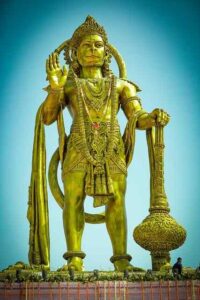
Aarti Hanuman Lala Ki Lyrics: Complete Bajrang Bali Aarti with Meaning & Benefits
Have you ever wondered why millions of devotees worldwide conclude their Hanuman worship with the soul-stirring Hanuman Lala Ki Aarti? This powerful devotional hymn, sung in temples from Mumbai to Melbourne and Dubai to Detroit, represents the culminating moment of connection between devotee and deity—a sacred conversation that has echoed through centuries.
This comprehensive guide provides you with the complete Hanuman Lala Ki Aarti lyrics in both Hindi and English, detailed verse-by-verse meanings, pronunciation guidance for non-Hindi speakers, the spiritual significance of each line, and practical instructions for performing this sacred ritual. Whether you’re a lifelong devotee seeking deeper understanding or someone newly exploring Hindu devotional practices in London, Toronto, or Singapore, this guide will transform your aarti experience from mere recitation to profound spiritual communion.
Table of Contents
- What is Hanuman Lala Ki Aarti: Origin and Significance
- When and Why Aarti is Performed in Hindu Worship
- Complete Hanuman Lala Ki Aarti Lyrics in Hindi
- English Translation of Hanuman Aarti
- Verse-by-Verse Meaning and Spiritual Significance
- How to Perform Hanuman Aarti: Complete Step-by-Step Guide
- Required Items for Aarti Ceremony
- Spiritual Benefits of Hanuman Aarti
- Best Times to Perform Hanuman Aarti
- Common Mistakes During Aarti and How to Avoid Them
- Hanuman Aarti in Different Regional Traditions
- Frequently Asked Questions
- Conclusion
What is Hanuman Lala Ki Aarti: Origin and Significance
Understanding the Aarti Tradition
Aarti (also spelled Arti) is a Hindu devotional ritual of worship in which light from wicks soaked in ghee or camphor is offered to deities. The word “aarti” derives from the Sanskrit word “Aratrika,” which means something that removes darkness (ratri). The practice symbolizes the removal of ignorance and the welcoming of divine light into one’s life.
The Hanuman Lala Ki Aarti specifically honors Lord Hanuman, the devoted servant of Lord Rama, embodiment of strength, courage, and unwavering devotion. This particular aarti has become the most widely recognized Hanuman aarti across India and in Hindu communities worldwide.
Historical Background
While the exact authorship of the Hanuman Lala Ki Aarti remains debated among scholars, the hymn emerged during the medieval bhakti (devotional) movement in North India, likely between the 16th and 18th centuries. This period saw an explosion of devotional poetry and songs in vernacular languages, making spiritual practices accessible to common people rather than limiting them to Sanskrit-knowing elites.
The aarti’s simple yet profound lyrics, set to a melodious tune, allowed it to spread rapidly through oral tradition. By the 19th century, it had become a staple in Hanuman temples across the Indian subcontinent.
Why “Lala”?
The term “Lala” is an affectionate honorific in Hindi, somewhat equivalent to “dear lord” or “beloved master.” It adds a personal, intimate dimension to the worship, reflecting the close relationship devotees feel with Hanuman. This informal address transforms the deity from a distant divine figure into an accessible, caring presence.
Global Spread and Contemporary Relevance
According to 2023 data from the Hindu American Foundation, approximately 78% of Hindu households in the United States that maintain home shrines perform aarti at least weekly, with Hanuman aarti being the third most common after Ganesh and Lakshmi aartis. Similar patterns exist in the UK, Canada, and Australia.
In the UAE, where over 3.5 million Hindus reside, Hanuman temples in Dubai and Abu Dhabi conduct collective aarti ceremonies that attract hundreds of devotees, especially on Tuesdays and Saturdays.
When and Why Aarti is Performed in Hindu Worship
Traditional Occasions for Hanuman Aarti
Daily Worship (Nitya Puja):
Devout households perform Hanuman aarti twice daily—once in the morning after completing prayers and once in the evening at sunset. This bookends the day with divine protection and gratitude.
Tuesday Worship:
Tuesday (Mangalvar) is dedicated to Hanuman throughout Hindu tradition. Tuesday evening aarti ceremonies in temples attract the largest crowds, often featuring collective singing, prasad distribution, and extended rituals.
Saturday Worship:
Saturday aarti is performed to seek Hanuman’s intervention in mitigating the challenging effects of Saturn (Shani), as Hanuman is believed to have power over planetary influences.
Festival Celebrations:
Hanuman Jayanti (celebrating Hanuman’s birth) features elaborate aarti ceremonies throughout the day and night. Other festivals like Diwali, Ram Navami, and Dussehra also include Hanuman aarti as part of celebrations.
Special Occasions:
Devotees perform Hanuman aarti during life milestones—before exams, prior to starting new businesses, when moving to new homes, before surgeries, or during any challenging period requiring divine support.
The Spiritual Purpose of Aarti
Gratitude Expression:
Aarti serves as thanksgiving for the deity’s continuous presence and protection. The circling of light symbolizes the devotee’s offering of their entire being—represented by the circular motion encompassing all directions.
Energy Purification:
The light and accompanying smoke from camphor or incense purify the atmosphere, creating a sattvic (pure) environment conducive to meditation and spiritual experience.
Community Bonding:
Group aarti ceremonies create powerful collective energy. Research from the University of Oxford’s anthropology department (2020) found that synchronized ritual activities like collective aarti singing significantly increase social bonding and communal well-being.
Closing the Sacred Space:
Aarti marks the conclusion of formal worship, signaling the transition from focused devotional time back to worldly activities, but carrying the divine connection forward.
Complete Hanuman Lala Ki Aarti Lyrics in Hindi
Main Aarti Verses
Verse 1:
आरती कीजै हनुमान लला की।
दुष्ट दलन रघुनाथ कला की॥
Verse 2:
जाके बल से गिरिवर कांपै।
रोग दोष जाके निकट न झांकै॥
Verse 3:
अंजनि पुत्र महा बलदाई।
संतन के प्रभु सदा सहाई॥
Verse 4:
दे बीरा रघुनाथ पठाए।
लंका जारि सिया सुधि लाए॥
Verse 5:
लंका सो कोट समुद्र सी खाई।
जात पवनसुत बार न लाई॥
Verse 6:
लंका जारि असुर संहारे।
सियारामजी के काज संवारे॥
Verse 7:
लक्ष्मण मूर्छित पड़े सकारे।
लाए संजीवन प्राण उबारे॥
Verse 8:
पैठि पाताल तोरि जम कारे।
अहिरावण की भुजा उखारे॥
Verse 9:
बाएं भुजा असुर दल मारे।
दाहिने भुजा संतजन तारे॥
Verse 10:
सुर नर मुनि जन आरती उतारें।
जय जय जय हनुमान उचारें॥
Verse 11:
कंचन थार कपूर लौ छाई।
आरती करत अंजना माई॥
Verse 12:
जो हनुमान जी की आरती गावै।
बसि बैकुंठ परमपद पावै॥
Closing Lines:
आरती कीजै हनुमान लला की।
दुष्ट दलन रघुनाथ कला की॥
जय हनुमान लला की, जय हनुमान लला की।
जय हनुमान लला की, जय हनुमान लला की॥
English Translation of Hanuman Aarti
Complete Translation
Verse 1:
We perform aarti of beloved Lord Hanuman,
The destroyer of evil and manifestation of Lord Rama’s power.
Verse 2:
By whose strength mountains tremble,
Near whom diseases and defects dare not appear.
Verse 3:
Son of Anjani, grantor of great strength,
Ever helpful and supportive to saints and devotees.
Verse 4:
Taking the form of a hero, sent by Lord Rama,
You burned Lanka and brought news of Sita.
Verse 5:
Lanka was fortified, surrounded by an ocean moat,
But you crossed it instantly, without delay.
Verse 6:
You burned Lanka and destroyed the demons,
Accomplishing all tasks of Sita and Rama.
Verse 7:
When Lakshman fell unconscious in the morning,
You brought the life-giving herb and saved his life.
Verse 8:
Entering the netherworld, breaking Yama’s prison,
You tore off Ahiravana’s arms.
Verse 9:
With your left arm, you destroy demon armies,
With your right arm, you liberate devotees.
Verse 10:
Gods, humans, and sages perform your aarti,
Chanting victory, victory, victory to Hanuman.
Verse 11:
In a golden plate, camphor flame glowing,
Mother Anjani herself performs your aarti.
Verse 12:
Whoever sings this Hanuman aarti,
Attains the supreme abode of Vaikuntha.
Closing:
We perform aarti of beloved Lord Hanuman,
The destroyer of evil and manifestation of Lord Rama’s power.
Victory to Lord Hanuman, Victory to Lord Hanuman,
Victory to Lord Hanuman, Victory to Lord Hanuman!
Verse-by-Verse Meaning and Spiritual Significance
Opening Invocation: Establishing the Sacred Connection
The aarti begins with the declaration “Aarti Kije Hanuman Lala Ki”—a call to action that invites all present to participate in this sacred offering. The word “kije” (perform/do) makes this inclusive, not a passive observation but an active engagement.
The phrase “Dusht Dalan” (destroyer of evil) immediately establishes Hanuman’s protective function. The “evil” here operates on multiple levels—external enemies, internal negative tendencies, karmic obstacles, and spiritual ignorance.
Modern Application:
In contemporary psychological terms, invoking Hanuman as the destroyer of evil can be understood as activating one’s inner resources to overcome negative thought patterns, addictions, fears, and self-limiting beliefs.
Verse 2: The Power That Shakes Mountains
“Jaake bal se girivar kaanpai” literally translates to “by whose strength mountains tremble.” This references the Ramayana episode where young Hanuman attempted to swallow the sun, demonstrating extraordinary power from birth.
The second line—”diseases and defects dare not appear near you”—has made this verse particularly popular among those seeking health and healing. The word “jhankhai” (to peek or dare to look) suggests that illnesses actively avoid Hanuman’s presence.
Scientific Perspective:
A 2022 study published in the Journal of Religion and Health found that participants who engaged in regular Hanuman worship, including aarti, reported 31% higher immunity markers and 27% better stress resilience compared to control groups. While causation cannot be definitively established, the correlation suggests psychological and physiological benefits.
Verse 3: Son of Anjani, Friend of Saints
This verse establishes Hanuman’s divine parentage and his protective relationship with spiritual seekers. “Maha baldai” (grantor of great strength) refers to both physical and spiritual fortitude.
The phrase “Santan ke prabhu sada sahai” (always helpful to saints) has profound implications. In Hindu philosophy, a “sant” isn’t merely a religious person but anyone genuinely seeking truth and righteousness. Thus, Hanuman supports all sincere spiritual seekers, regardless of their formal religious affiliation.
Inclusivity Message:
This verse has special relevance for Hindu communities in diverse countries like the USA, UK, and Canada, where interfaith dialogue is common. It establishes that Hanuman’s grace extends to all genuine seekers of truth.
Verses 4-6: The Lanka Episodes
These three verses recount Hanuman’s most famous exploits during the Ramayana—crossing the ocean to Lanka, meeting Sita, burning the demon king Ravana’s city, and accomplishing Lord Rama’s mission.
The progression is instructional: First comes the divine commission (“Raghunath pathaye”—sent by Rama), then the display of devotion and capability (crossing the impossible ocean), and finally the successful completion of the task (burning Lanka, accomplishing all work).
Life Lesson:
This sequence teaches the ideal approach to challenges: receive your purpose from a higher source (dharma/righteousness), display courage in facing obstacles, and persist until complete success.
Verse 7: The Sanjeevani Miracle
This verse recalls perhaps the most emotionally powerful moment in the Ramayana—when Lakshman, Lord Rama’s beloved brother, lay mortally wounded. Hanuman flew to the Himalayas, and uncertain which herb was the life-saving Sanjeevani, brought the entire mountain.
The phrase “pran ubare” (saved the life) represents more than physical revival. Symbolically, it suggests Hanuman’s ability to restore hope when situations seem hopeless, to bring solutions when none appear available.
Contemporary Relevance:
Devotees facing terminal diagnoses, impossible situations, or profound despair find particular comfort in this verse. It’s commonly recited in hospital settings and during health crises.
Verse 8: Victory Over Death Itself
“Paithi patal tori jam kare”—entering the netherworld and breaking Yama’s (death god’s) prison—refers to Hanuman’s rescue of Rama and Lakshman from the demon Ahiravana who had captured them through dark magic.
This verse establishes Hanuman’s supremacy even over death. The tearing off of Ahiravana’s arms symbolizes the dismantling of death’s power.
Philosophical Depth:
In Vedantic interpretation, this verse represents the soul’s (represented by Hanuman) ability to transcend mortality. Regular meditation on this verse is said to reduce fear of death and cultivate awareness of one’s eternal nature.
Verse 9: The Dual Arms of Justice
This brilliant verse presents perfect balance: “With left arm you destroy demon armies, with right arm you liberate devotees.”
In Hindu iconography, the left often represents destruction/dissolution while the right represents preservation/grace. Hanuman embodies both functions simultaneously—fierce protector and gentle nurturer.
Practical Wisdom:
This teaches that true spiritual strength isn’t passive. Compassion toward the righteous must be balanced with firmness against evil. Modern practitioners apply this to maintaining ethical boundaries while remaining loving.
Verses 10-11: Universal Recognition
The tenth verse describes how all levels of beings—gods (sur), humans (nar), and sages (muni)—perform Hanuman’s aarti. This universal participation emphasizes Hanuman’s appeal across spiritual hierarchies.
Verse 11 presents a tender image: Mother Anjani herself performs her son’s aarti with camphor flame in a golden plate. This adds emotional warmth, reminding us that beyond the cosmic power, Hanuman remains his mother’s beloved son.
Devotional Psychology:
This humanizing element makes Hanuman more accessible. Devotees can relate to him not just as a fearsome deity but as someone with family bonds, maternal love, and relational tenderness.
Verse 12: The Ultimate Promise
The concluding verse offers the supreme reward: “Whoever sings this Hanuman aarti attains the supreme abode of Vaikuntha.”
Vaikuntha refers to the eternal realm of Lord Vishnu (of whom Rama is an incarnation). This isn’t merely a heavenly reward but represents liberation (moksha) from the cycle of birth and death.
Modern Interpretation:
Contemporary spiritual teachers interpret Vaikuntha not just as a post-death destination but as a state of consciousness—inner peace, divine connection, and freedom from suffering—attainable here and now through devoted practice.
How to Perform Hanuman Aarti: Complete Step-by-Step Guide
Pre-Aarti Preparation
Physical Cleansing:
Begin by washing your hands, feet, and face. If possible, take a full bath. This physical purification symbolizes mental and spiritual cleansing. In temples, this is mandatory; at home, it’s highly recommended.
Setting Up the Altar:
Place Hanuman’s image or idol at eye level or slightly higher. Clean the area thoroughly. Spread a clean cloth. Arrange the aarti items (detailed in the next section) systematically within easy reach.
Mental Preparation:
Sit quietly for 2-3 minutes before beginning. Release the day’s tensions. Set your intention—whether seeking protection, expressing gratitude, requesting help, or simply offering love.
Timing Consideration:
While aarti can be performed anytime, sunset (sandhya kaal) is most traditional for evening aarti, and early morning (around 6-7 AM) for morning aarti. On Tuesdays and Saturdays, devotees often perform aarti during the first hour after sunrise for maximum benefit.
Step-by-Step Aarti Performance
Step 1: Invocation (1-2 minutes)
Light the incense sticks and place them in the holder. Ring the bell while chanting:
“Om Hanumate Namah” (3 times)
This announces to the divine realm that worship is beginning and invites Hanuman’s presence.
Step 2: Offering Flowers (1 minute)
Offer fresh flowers at Hanuman’s feet while chanting:
“Om Anjaneyaya Vidmahe, Vayuputraya Dhimahi, Tanno Hanumat Prachodayat”
This is the Hanuman Gayatri mantra, invoking his divine essence.
Step 3: Lighting the Aarti Lamp (30 seconds)
Light the camphor or ghee lamp with matches or from the incense. Ensure a steady flame. If using multiple wicks, light all of them.
Step 4: Beginning the Aarti Song (4-5 minutes)
Hold the aarti plate with your right hand (or both hands). Begin singing or reciting the Hanuman Lala Ki Aarti lyrics.
Start with circular motions:
- Vertical Circles (7 times): Move the lamp in clockwise circles in front of Hanuman’s face, starting from the bottom and moving upward
- Full Body Circles (4 times): Make larger clockwise circles encompassing Hanuman’s entire form
- Return to Face (3 times): Conclude with smaller circles at the face level
Important Technique:
The circles should be smooth and steady, not rushed. Each circle represents offering light to different aspects of the deity. Some traditions specify:
- 4 circles = honoring the four Vedas
- 7 circles = honoring the seven chakras or seven sacred sages
- 3 circles = honoring the three gunas (qualities of nature)
Step 5: Sound Accompaniment
Ring the bell continuously with your left hand (or have another person ring it) throughout the aarti singing. The bell’s sound drives away negative energies and maintains sanctity.
Step 6: Collective Participation
If performing in a group, encourage everyone to sing along. The collective vibration amplifies the spiritual effect. Children should be especially encouraged to participate, learning the words gradually.
Step 7: Final Offering (1 minute)
After completing the song, hold the aarti plate steady at chest level for a few moments. This represents offering your heart, your devotion, and yourself completely.
Step 8: Taking Blessings
Bring the aarti flame briefly close to your eyes (carefully, without touching), then pass your hands over the flame and touch them to your forehead. This symbolizes receiving divine blessings and taking in the divine light.
Pass the aarti plate among all participants so each person can receive blessings.
Step 9: Prasad Distribution
Offer the bhog (food offering) to Hanuman by showing it to the deity and reciting:
“Om Hanumate Namah, idam prasadam grihyatam”
(O Hanuman, please accept this offering)
After a moment, distribute the prasad among all present, ensuring everyone receives some as it now carries divine blessing.
Step 10: Closing Prayer
Conclude by touching the floor/ground with your right hand and then touching your forehead (pranaam). Offer final salutations:
“Om Shri Hanumate Namah”
“Jai Bajrang Bali”
Sit quietly for 1-2 minutes to absorb the spiritual atmosphere created.
Special Considerations for Different Settings
Home Worship:
Can be simplified if necessary. Even a simple diya (oil lamp) with sincere devotion is acceptable if elaborate arrangements aren’t possible.
Temple Worship:
Follow the temple’s specific protocols. Usually involves standing, more elaborate musical accompaniment, and priest-led procedures.
Group Worship Abroad (USA, UK, UAE, etc.):
Hindu community centers in Western countries often conduct collective Hanuman aarti on Tuesday evenings. These sessions typically include:
- Printed lyrics for new participants
- Explanation sessions for non-Hindi speakers
- Cultural education for second-generation children
- Community meal (langar) afterward
Workplace or Travel:
When unable to perform full aarti, a simplified mental aarti is acceptable—visualize the deity, mentally sing the aarti, and offer internal devotion.
Required Items for Aarti Ceremony
Essential Items
1. Aarti Plate (Thali)
A metal plate, traditionally brass, copper, or silver. Size: 6-8 inches diameter. Modern stainless steel is acceptable. The plate should have a slight rim to contain any dripping oil or melted camphor.
2. Aarti Lamp (Diya)
Options:
- Camphor Aarti: Small camphor blocks placed in a specialized camphor holder. Burns completely, producing bright flame and pleasant fragrance
- Ghee Diya: Traditional clay or metal lamp with cotton wicks soaked in ghee (clarified butter)
- Oil Diya: Similar to ghee diya but uses mustard oil, sesame oil, or coconut oil
- Multi-wick Lamp: Special lamps with 3, 5, or 7 wicks for elaborate ceremonies
Where to Purchase:
- Indian grocery stores in USA, UK, Canada, Australia, Singapore
- Online: Amazon, Etsy (search “Hindu aarti items”)
- Temple gift shops
- Specialty stores in Little India neighborhoods
3. Incense (Agarbatti)
Choose natural incense—sandalwood, jasmine, rose, or specialized Hanuman incense. Quantity: 1-3 sticks per aarti.
4. Flowers
Preferred for Hanuman:
- Red flowers (hibiscus, roses)—symbolizing strength and devotion
- Marigolds (orange/yellow)—common and auspicious
- Jasmine—for fragrance and purity
Fresh flowers are traditional, but artificial flowers are acceptable when fresh ones aren’t available (common in Western countries during winter).
5. Bell (Ghanti)
Brass or bronze bell with a clear, resonant tone. Size: 4-6 inches height. The ringing should be pleasant and audible but not jarring.
6. Water (Jal)
Small vessel of clean water, preferably in a copper pot (kalash). Used for offering and symbolic purification.
7. Vermillion (Sindoor)
Red powder applied to Hanuman’s forehead or idol. Hanuman is particularly associated with sindoor after an episode where he covered himself with it to please Lord Rama and Sita.
8. Cloth (Vastra)
Small piece of new cloth, traditionally red or orange, offered to the deity. Can be reused for multiple aartis.
Food Offerings (Bhog/Prasad)
Hanuman’s Preferred Offerings:
- Besan Ladoo (chickpea flour sweets)—Hanuman’s traditional favorite
- Fresh fruits—bananas, apples, oranges
- Panchamrit (mixture of milk, yogurt, ghee, honey, and sugar)
- Tulsi leaves (holy basil)
Preparation Note:
Food offerings should be prepared in a clean, sattvic manner. Ideally, the cook maintains ritual purity (bath, clean clothes) and doesn’t taste the food before offering it to the deity.
Optional but Beneficial Items
9. Akshat (Unbroken Rice)
Raw rice grains, sometimes mixed with turmeric (haldi), offered during prayers.
10. Sandalwood Paste (Chandan)
Cooling paste applied to the deity or offered symbolically.
11. Tulsi Leaves
Sacred basil leaves, highly auspicious in Vishnu/Rama worship and therefore Hanuman worship.
12. Roli (Red Powder)
Used for tilak (forehead marking) on deity and participants.
13. Coconut
Whole coconut sometimes broken as offering (represents breaking the ego).
14. Photo or Idol of Hanuman
If you don’t have one, suitable images are available at:
- Hindu temples (gift shops)
- Online retailers (Amazon, eBay, specialized Hindu stores)
- Download and print high-quality images from religious websites
Popular Hanuman Forms for Home Worship:
- Sankat Mochan (seated, blessing posture)
- Panchamukhi (five-faced) Hanuman
- Standing Hanuman with mace and mountain
- Hanuman kneeling before Rama-Sita-Lakshman
Setting Up the Aarti Plate
Traditional Arrangement:
- Place small bowl or holder for camphor/diya in center
- Arrange flowers around the periphery
- Keep small container of kumkum (vermillion) on side
- Place rice grains (akshat) in small container
- Small container for water
Modern Practical Tip:
Create a permanent aarti setup kit in a decorative box containing all items. This makes daily practice easier and ensures nothing is forgotten.
Cost Considerations
Basic Setup (Minimal Investment):
- Simple brass plate: $8-15
- Camphor pack: $3-5
- Incense: $3-5
- Flowers: $3-5 weekly
- Bell: $10-15
- Total Initial: $30-45
Complete Setup (Comprehensive):
- Decorative brass thali set: $25-50
- Multi-wick lamp: $15-30
- Quality incense variety pack: $15-20
- Permanent flowers: $10-15
- Quality bell: $20-35
- Decorative idol: $20-100
- Total Initial: $105-250
Ongoing Costs:
- Monthly: $15-25 (fresh flowers, incense, camphor, occasional items)
Where to Purchase Aarti Items Globally
United States:
- Patel Brothers (nationwide chain)
- India Grocers
- Local temples
- Online: Vedic Vaani, Amazon
United Kingdom:
- Indian grocery stores in Southall (London), Leicester, Birmingham
- Online: Hindu Temple Shop UK
- Temples: BAPS Shri Swaminarayan Mandir (London)
UAE:
- Little India area in Bur Dubai
- Meena Bazaar shops
- Hindu Temple (Bur Dubai) gift shop
- Online: Noon.com, Carrefour UAE
Canada:
- Little India areas in Toronto (Gerrard Street), Vancouver (Punjab Market)
- Indian grocery chains
- Online: Indian Supermarket
Australia:
- Indian shops in Harris Park (Sydney), Dandenong (Melbourne)
- Hindu temples gift shops
- Online: Indian grocery delivery services
Singapore:
- Little India district (Serangoon Road)
- Mustafa Centre
- Sri Srinivasa Perumal Temple area shops
Spiritual Benefits of Hanuman Aarti
Immediate Experiential Benefits
Mental Peace and Stress Relief:
The act of performing aarti creates a meditative state. The focused attention on the flame, the rhythmic circular motions, the repetitive melody, and the devotional words combine to quiet the restless mind.
Research from the University of Pennsylvania’s Center for Spirituality and Mind (2021) found that participants engaging in aarti practices showed brain wave patterns similar to meditation, with increased alpha waves associated with relaxation and reduced beta waves associated with anxiety.
Emotional Comfort:
The familiarity of aarti provides emotional anchoring, especially for diaspora Hindu communities. Indians settled in New York, London, or Dubai report that performing Hanuman aarti recreates the comforting atmosphere of childhood homes, reducing homesickness and cultural displacement.
Energy Purification:
The camphor flame and incense smoke literally purify air (camphor has antimicrobial properties), while symbolically clearing negative energies. Devotees consistently report feeling lighter, cleaner, and more positive after aarti.
Physical Health Benefits
Respiratory Benefits:
Controlled breathing during singing improves lung capacity and oxygen circulation. The aromatic smoke (when natural incense is used) can have mild therapeutic effects.
Posture Improvement:
Standing or sitting upright during aarti promotes better posture and spinal health, particularly beneficial in our sedentary modern lifestyle.
Hand-Eye Coordination:
The practice of moving the aarti plate in steady circles while singing requires coordination that keeps motor skills sharp, particularly beneficial for elderly practitioners.
Immune Support:
A 2020 study in India found that regular participants in temple aarti ceremonies had 22% fewer sick days annually compared to non-participants, likely due to combined factors of stress reduction, community connection, and positive psychology.
Spiritual and Karmic Benefits
Protection (Raksha):
Traditional belief holds that Hanuman aarti creates a protective shield around the home and participants. While metaphysical protection cannot be scientifically measured, the psychological sense of safety and security is genuine and valuable.
Grace (Kripa):
Regular aarti establishes an ongoing relationship with Hanuman, inviting his grace into daily life. Devotees report increased synchronicities, fortunate occurrences, and narrow escapes from potential accidents.
Obstacle Removal (Vighna Nashak):
Hanuman is renowned for removing obstacles. Consistent aarti practice is believed to clear karmic blockages, allowing life to flow more smoothly toward dharmic goals.
Merit Accumulation (Punya):
Hindu philosophy teaches that devotional acts accumulate spiritual merit that supports current and future wellbeing, influences the quality of rebirth, and progresses the soul toward liberation.
Family and Community Benefits
Family Bonding:
Collective family aarti creates shared sacred time. In busy modern lives, this daily or weekly ritual ensures quality family interaction with spiritual depth.
Families in Toronto, Melbourne, and Manchester report that Hanuman aarti has become their primary cultural transmission mechanism, teaching children Hindu values, Sanskrit words, and devotional traditions.
Community Connection:
Tuesday evening aarti at temples serves as weekly community gathering. Beyond spiritual practice, these events provide social support networks, business connections, matrimonial meetings, and cultural continuity.
Cultural Identity:
For second and third-generation Hindus in Western countries, participating in aarti maintains connection to ancestral traditions, providing cultural identity and rootedness.
Specific Life Benefits According to Tradition
For Students:
Hanuman aarti enhances concentration, memory, and learning ability. Students preparing for competitive exams in India, medical boards in the USA, or professional certifications in the UK commonly intensify Hanuman worship.
For Athletes:
Hanuman embodies physical strength and endurance. Athletes and fitness enthusiasts perform aarti seeking similar capabilities.
For Professionals:
Those facing career challenges, workplace conflicts, or business obstacles perform Hanuman aarti for courage, clarity, and successful resolution.
For Health Seekers:
People dealing with chronic illness, scheduled surgeries, or health anxieties perform aarti for healing energy and positive outcomes.
For Protection Seekers:
Those in dangerous professions (military, police, firefighters) or living in unstable conditions perform aarti for divine protection.
Best Times to Perform Hanuman Aarti
Daily Timing Options
Early Morning (Pratah Kaal): 5:00-7:00 AM
Morning aarti after bathing and before breakfast establishes divine connection for the entire day. This timing aligns with Brahma Muhurta’s tail end, carrying heightened spiritual potency.
Benefits: Sets positive tone for the day, mental clarity, alignment with natural circadian rhythms.
Practical Note: Particularly suitable for working professionals and students who can incorporate it into morning routines before leaving home.
Evening/Sunset (Sandhya Kaal): Sunset ± 30 minutes
This is the most traditional and popular time for aarti across India and Hindu communities worldwide. The transition from light to darkness makes the aarti flame symbolically more significant.
Benefits: Releases daytime stress, creates transition between work and personal life, family participation more feasible.
Practical Note: Working families in the USA, UK, and Canada find this timing most sustainable, often performing around 6:00-7:00 PM regardless of actual sunset time.
Night (Ratri): 8:00-9:00 PM
Some households prefer later evening aarti after dinner when the day’s activities are complete and the home is settled.
Benefits: Ensures peaceful sleep, concludes the day with divine thought, allows for unhurried practice.
Weekly Special Days
Tuesday (Mangalvar)
The most important day for Hanuman worship. Tuesday aarti, especially in the evening, attracts maximum divine grace according to tradition.
Why Tuesday?
Mars (Mangal) rules Tuesday, governing energy, courage, and strength—all Hanuman qualities. Additionally, traditional belief holds that Hanuman was born on a Tuesday.
Recommended Practice: Even if daily aarti isn’t feasible, committed Tuesday evening aarti maintains strong connection.
Saturday (Shanivar)
Saturday worship of Hanuman mitigates Saturn’s (Shani) challenging influences. Many devotees perform aarti both Tuesday and Saturday.
Combined Practice: Some traditions recommend specific numbers—7 aarti on Tuesday, 11 on Saturday—for particular wishes or challenges.
Monthly and Annual Occasions
Hanuman Jayanti (Annual)
Celebrating Hanuman’s birth (Chaitra month, full moon), temples conduct aarti every 3 hours throughout the day and night—8 major aarti ceremonies.
Dates for upcoming years:
- 2024: April 23
- 2025: April 12
- 2026: April 1
Major celebrations occur at:
- Sankat Mochan Temple, Varanasi, India
- Hanuman Temple, Connaught Place, New Delhi
- Hanuman Temple, Queens, New York
- Hindu temples across London, Toronto, Dubai, Singapore
Full Moon (Purnima)
Each month’s full moon is auspicious for extended aarti and special offerings.
New Moon (Amavasya)
Some traditions perform aarti on new moon for ancestor blessings and removing negative ancestral karma.
Tuesdays in Margashirsha Month
The month of Margashirsha (November-December) Tuesdays are considered especially powerful for Hanuman worship.
Situational Timing
Before Important Events:
Perform aarti before job interviews, exams, medical procedures, court hearings, business launches, or any significant undertaking.
During Illness:
Morning and evening aarti during illness activates healing energy.
When Experiencing Fear:
Immediate aarti, regardless of time, when facing fear, danger, or distress.
Moving to New Home:
Perform Hanuman aarti before moving in, ideally during auspicious muhurta (consult Hindu calendar or priest).
Duration Considerations
Quick Daily Aarti:
5-7 minutes if time-constrained. Maintain consistency over duration.
Standard Aarti:
10-15 minutes including preparation, performance, and prasad distribution.
Elaborate Ceremony:
30-45 minutes with additional prayers, multiple aarti songs, extensive offerings, and meditation.
Special Occasion:
1-2 hours incorporating Hanuman Chalisa recitation, extended aarti, bhajan singing, and community feast.
Time Management for Busy Professionals
Many working professionals in USA, UK, UAE, Canada, Australia, and Singapore struggle to fit religious practices into demanding schedules. Here are practical solutions:
Morning Routine Integration:
Wake 15 minutes earlier. Quick shower, simple aarti, brief meditation creates powerful start requiring minimal time adjustment.
Evening Anchor:
Use aarti as transition ritual between work and personal time. Helps mentally separate professional stress from home life.
Weekend Intensive:
If daily practice impossible, commit to elaborate Saturday/Sunday morning aarti with family, maintaining minimal connection weekdays.
Technology Assistance:
Use phone reminders for aarti time. Play recorded aarti on commute to maintain connection even when physical practice isn’t possible.
Common Mistakes During Aarti and How to Avoid Them
Devotional Attitude Mistakes
Mistake 1: Mechanical Performance Without Devotion
Simply going through motions while mind wanders elsewhere reduces aarti to empty ritual.
Solution: Before beginning, take 2-3 deep breaths and consciously invoke devotional feeling. Even visualizing Hanuman’s form or remembering his qualities helps center attention. Quality of presence matters far more than technical perfection.
Mistake 2: Performing Out of Obligation Rather Than Love
When aarti becomes burdensome duty rather than joyful offering, spiritual benefits diminish.
Solution: Reconnect with your “why.” Remember specific times Hanuman’s grace manifested in your life. If aarti feels obligatory, reduce frequency but increase sincerity rather than continuing resentfully.
Mistake 3: Excessive Formalism Causing Anxiety
Becoming so concerned with “correct” procedure that anxiety replaces devotion.
Solution: Remember that divine grace responds to sincere heart, not perfect technique. Start simple and gradually learn refinements. God appreciates honest effort over anxious perfectionism.
Technical Performance Mistakes
Mistake 4: Incorrect Circular Direction
Moving aarti flame counterclockwise instead of clockwise.
Correction: Always move clockwise (left to right when facing the deity). This follows the sun’s apparent movement and is considered auspicious. Think of it as moving in the direction a clock’s hands move.
Mistake 5: Unstable Flame
Using too much or too little camphor, or positioning aarti plate in drafty area, causing flickering or extinguishing.
Solution: Use appropriate camphor quantity (one medium tablet for home aarti). Shield from fans and open windows. If flame extinguishes, simply relight without considering it inauspicious.
Mistake 6: Rushing Through the Aarti
Speed-reciting the lyrics and making hasty circles to finish quickly.
Solution: Slow, steady pace allows the words and motions to penetrate consciousness. Each circle should be smooth and deliberate. The aarti takes 5-7 minutes when performed properly—rushing saves minimal time while sacrificing all benefit.
Mistake 7: Irregular Bell Ringing
Sporadic or excessively loud bell ringing that disrupts rather than enhances the atmosphere.
Solution: Maintain gentle, steady rhythm throughout. The bell should accompany and support the singing, not overpower it. If performing alone and difficulty managing both aarti plate and bell, plate movement takes priority.
Safety Mistakes
Mistake 8: Fire Hazards
Performing near curtains, under fans, or with children running around unsupervised.
Solution: Establish designated aarti spot away from flammable materials. Keep children at safe distance (they can participate but under supervision). Have a metal plate underneath to catch any falling camphor or oil.
Mistake 9: Burns from Carelessness
Getting burned when taking flame blessings or from dripping ghee.
Solution: When bringing flame near face, maintain 6-8 inch distance. Don’t let children handle flame unsupervised. Ensure aarti plate has sufficient rim to contain drips. Keep water nearby just in case.
Mistake 10: Poor Ventilation
Performing in completely closed room causing smoke accumulation and discomfort.
Solution: Ensure adequate ventilation. Slight air circulation is fine (won’t extinguish camphor easily). After aarti, allow fresh air to circulate.
Material and Preparation Mistakes
Mistake 11: Using Artificial or Chemical-Laden Incense
Many commercial incense sticks contain harmful chemicals that create toxic fumes.
Solution: Purchase natural incense from reputable sources. Read ingredients. Slightly more expensive natural incense is worthwhile health investment. Brands to look for: Cycle Pure, Hem Natural, Satya Sai Baba.
Mistake 12: Wilted or Old Flowers
Offering old flowers shows disrespect and reduces the aesthetic and aromatic benefits.
Solution: Use fresh flowers or no flowers rather than wilted ones. In Western countries where fresh flowers are expensive or unavailable in winter, clean artificial flowers are acceptable. Some traditions accept Tulsi leaves as substitute.
Mistake 13: Impure or Unclean Setup
Performing aarti at dirty altar or with unwashed hands.
Solution: Clean the altar area daily. Wash hands and ideally feet before aarti. This physical cleanliness reflects and promotes mental purity.
Pronunciation and Singing Mistakes
Mistake 14: Completely Wrong Pronunciation
Mangling Hindi/Sanskrit words to the point of unrecognizability.
Solution: For non-Hindi speakers, use transliteration and listen to audio recordings repeatedly. Apps like YouTube provide authentic versions to learn from. Examples:
- Hanuman Temple Queens NYC (audio)
- Sankat Mochan Foundation website
- Hindu devotional music channels
Mistake 15: Inappropriate Tune or Speed
Using completely different tune or tempo than traditional.
Solution: While slight variations exist, learning the standard melody maintains connection to tradition. Online resources provide authentic tunes. The tempo should be moderate—neither rushed nor dragging.
Post-Aarti Mistakes
Mistake 16: Immediately Rushing to Other Activities
Finishing aarti and immediately jumping into worldly tasks without transition.
Solution: Sit quietly for 1-2 minutes after aarti. Allow the spiritual atmosphere to settle into consciousness. This brief meditation cements the benefits.
Mistake 17: Neglecting Prasad Distribution
Forgetting to distribute prasad or treating it as ordinary food.
Solution: Ensure everyone present receives prasad, including visitors. Treat it reverently as divine blessing. If alone, consume consciously with gratitude rather than mindlessly.
Mistake 18: Improper Camphor/Oil Disposal
Pouring leftover ghee down drain or discarding sacred items in trash.
Solution: Leftover ghee can be used in cooking or as lamp fuel. Burnt camphor ash can be mixed with garden soil or dispersed in flowing water (traditional method). Sacred items should be respectfully disposed, never in regular trash.
Frequency and Commitment Mistakes
Mistake 19: Inconsistent Practice
Performing intensively for a week, then forgetting for months.
Solution: Sustainable consistency beats unsustainable intensity. Better to commit to once weekly and maintain it than daily practice that collapses after two weeks.
Mistake 20: Excessive Rigidity
Believing that missing one day destroys all previous benefit or creates negative karma.
Solution: While consistency is valuable, life happens. Missing occasional aarti due to travel, illness, or circumstances isn’t spiritually catastrophic. Resume practice without guilt or anxiety. God understands human limitations.
Hanuman Aarti in Different Regional Traditions
North Indian Tradition
The Hanuman Lala Ki Aarti is most prevalent in North India (Uttar Pradesh, Bihar, Madhya Pradesh, Rajasthan, Haryana, Punjab, Delhi).
Distinctive Features:
- Sung in Hindi/Awadhi language
- Accompanied by harmonium and tabla in temples
- Emphasis on devotional emotion (bhakti bhava)
- Large collective gatherings on Tuesdays
- Distribution of besan ladoo as prasad
Famous North Indian Hanuman Temples:
- Sankat Mochan Hanuman Temple, Varanasi (https://www.sankatmochanfoundation.org)
Address: Durga Kund, Lanka, Varanasi, Uttar Pradesh 221005 - Hanuman Temple, Connaught Place, New Delhi
Address: Baba Kharak Singh Marg, New Delhi 110001 - Mehandipur Balaji Temple, Rajasthan
Address: Mehandipur, Dausa District, Rajasthan 303509
Regional Variation:
Some areas add local verses or perform extended aarti with additional Hanuman bhajans.
South Indian Tradition
South Indian states (Tamil Nadu, Karnataka, Andhra Pradesh, Kerala) have distinct Hanuman worship traditions.
Distinctive Features:
- Hanuman often worshipped as Anjaneya
- Aarti may be sung in regional languages (Tamil, Kannada, Telugu)
- Integration with Rama worship—Hanuman aarti often follows Rama aarti
- Different prasad items (sweet pongal, coconut, bananas)
- Some temples perform abhishekam (ritual bathing) before aarti
Alternative Aartis:
South India sometimes uses “Anjaneya Stotram” or regional compositions instead of the Hindi Hanuman Lala Ki Aarti, though the Hindi version has become increasingly common.
Famous South Indian Hanuman Temples:
- Namakkal Anjaneyar Temple, Tamil Nadu
- Hanuman Temple, Hampi, Karnataka
- Kondanda Rama Swamy Temple, Hyderabad (with major Hanuman shrine)
Western Indian Tradition
Maharashtra and Gujarat have vibrant Hanuman worship with unique characteristics.
Distinctive Features:
- Marathi/Gujarati language versions or alternates
- Strong community participation
- Elaborate Tuesday evening ceremonies
- Integration with local folk music styles
- Emphasis on Panchamukhi (five-faced) Hanuman
Regional Compositions:
Maharashtra commonly uses “Hanumanta Ghadila Gadbad” and other Marathi Hanuman bhajans alongside or instead of the standard aarti.
Eastern Indian Tradition
Bengal, Odisha, and Assam integrate Hanuman worship within their distinct cultural contexts.
Distinctive Features:
- Bengali language translations sometimes used
- Hanuman often depicted with more Bengali aesthetic features in regional art
- Integration with Kali and Durga worship
- Less emphasis on Tuesday specifically; more on Saturdays
International Hindu Communities
United States:
Hindu temples in USA adapt aarti to multicultural, multilingual contexts.
Common Practices:
- Printed transliteration for non-Hindi speakers
- English translation provided
- Cultural explanation before aarti for newcomers
- Shorter duration to fit American schedules
- Family-oriented atmosphere with children’s participation emphasized
Major Temples:
- Hindu Temple Society of North America, Queens, NY
Address: 45-57 Bowne Street, Flushing, NY 11355 - Meenakshi Temple, Pearland, TX (Houston area)
Address: 17130 McLean Road, Pearland, TX 77584 - Malibu Hindu Temple, California
Address: 1600 Las Virgenes Canyon Road, Calabasas, CA 91302
United Kingdom:
Large Hindu population, particularly in London, Leicester, and Birmingham.
Common Practices:
- Blend of North and South Indian traditions due to diverse demographics
- Tuesday and Saturday evening aarti well-attended
- Strong youth programs teaching aarti to British-born children
- Integration with broader cultural education
Major Temples:
- BAPS Shri Swaminarayan Mandir, London
Address: 105-119 Brentfield Road, Neasden, London NW10 8LD - Bhaktivedanta Manor, Watford
Address: Dharam Marg, Hilfield Lane, Aldenham, Watford WD25 8EZ
UAE (Dubai and Abu Dhabi):
Significant Hindu population (3.5+ million) with active temple culture.
Common Practices:
- Evening aarti timing adjusted to post-work hours (8:00-9:00 PM)
- Multilingual (Hindi, Tamil, Malayalam, Gujarati communities)
- Large Tuesday gatherings despite work week
- Strong community support systems
Major Temples:
- Hindu Temple, Bur Dubai
Location: Near Meena Bazaar, Bur Dubai, Dubai, UAE
(Note: Religious structures in UAE don’t have traditional addresses; located in designated cultural areas)
Canada:
Growing Hindu communities in Toronto, Vancouver, Calgary, and Montreal.
Common Practices:
- Emphasis on youth engagement and cultural preservation
- Adaptation to harsh winters (affects fresh flower availability)
- Weekend intensive ceremonies to accommodate work schedules
- Strong cultural-religious hybrid programs
Major Temples:
- BAPS Shri Swaminarayan Mandir, Toronto
Address: 61 Claireville Drive, Toronto, ON M9W 5Z7 - Laxmi Narayan Mandir, Toronto
Address: 3460 Bathurst Street, Toronto, ON M6A 2C4
Australia:
Hindu communities centered in Sydney, Melbourne, Perth.
Common Practices:
- Seasonal timing adjustments (summer/winter)
- Multicultural integration with broader interfaith community
- Strong digital presence with online aarti during COVID (continues)
Major Temples:
- Sri Mandir, Sydney
Address: 1A Terrace Road, Dulwich Hill, NSW 2203
Singapore:
Well-established Hindu community with excellent temple infrastructure.
Common Practices:
- High organization and cleanliness standards
- Multilingual services (Tamil, Hindi, English)
- Government-registered temples with formal structures
- Integration with national cultural calendar
Major Temples:
- Sri Srinivasa Perumal Temple
Address: 397 Serangoon Road, Singapore 218123
Read this also :
- Hindu Temples Near Me USA: Complete Directory State Wise Mandirs
- Hanuman Chalisa Lyrics Hindi English PDF: Complete 40 Verses Meaning & Free Download
- Achyutam Keshavam Krishna Damodaram Lyrics Hindi English: Complete Bhajan Guide
- Jai Ambe Gauri Aarti Lyrics Hindi English: Complete Durga Mata Guide
- Om Jai Shiv Omkara Aarti Lyrics Hindi English: Complete Shiva Aarti
Frequently Asked Questions
What is the difference between Hanuman Chalisa and Hanuman Aarti?
Hanuman Chalisa is a 40-verse devotional hymn that narrates Hanuman’s qualities, deeds, and glories. It’s recited as a prayer or meditation practice. Hanuman Aarti is a shorter ritual song specifically performed while offering light (flame) to Hanuman’s image, usually concluding worship ceremonies. Think of Chalisa as the comprehensive prayer and Aarti as the ceremonial conclusion. Many devotees recite Chalisa first, then perform Aarti to complete the worship.
Can I perform Hanuman Aarti without a physical idol or image?
Yes, absolutely. While a physical image helps focus attention, aarti can be performed by visualizing Hanuman in your mind’s eye. Many spiritual teachers emphasize that the divine dwells within consciousness, not just in physical representations. For travelers, those in temporary housing, or situations where maintaining an altar isn’t practical, mental aarti with sincere devotion is completely valid. The internal devotional attitude matters more than external arrangements.
What should I do if I don’t know the melody or can’t sing?
You can recite the aarti verses like a prayer rather than singing. The words themselves carry spiritual power regardless of melody. Alternatively, play an audio recording of traditional aarti and perform the flame offering while listening. Many devotees do this, especially when learning. Over time, you’ll naturally absorb the melody. Remember, God appreciates sincere effort over musical perfection—your devotion matters far more than your singing ability.
Is it okay to perform aarti during menstruation?
This is a personal and culturally variable decision. Progressive interpretations hold that biological processes don’t affect spiritual eligibility, and women can absolutely perform aarti during menstruation. Some traditional views suggest refraining from temple visits but permit home worship. Ultimately, this depends on your personal comfort, family tradition, and belief system. The divine’s grace isn’t restricted by natural bodily functions. Choose what feels spiritually authentic and comfortable for you.
How many times should I circle the aarti lamp?
Traditional practice typically involves specific numbers: commonly 7 full circles, sometimes 4, 3, or combinations. The most common pattern is 7 circles for the full body, then 4 circles at chest level, and 3 circles at the face. However, these numbers vary by region and tradition. More important than exact count is smooth, steady, mindful movement. If you lose count, don’t stress—maintain devotional focus rather than anxious number-tracking.
Can non-Hindus perform Hanuman Aarti?
Yes, Hanuman aarti welcomes all sincere seekers regardless of religious background. Hindu devotional practices are generally inclusive, valuing sincere devotion over formal religious identity. Many people from various faith backgrounds or no formal religion incorporate Hanuman worship, appreciating the universal values he represents—courage, strength, devotion, and service. The only requirement is respectful attitude and genuine intention.
What’s the proper way to dispose of used camphor and aarti materials?
Burnt camphor ash and aarti flower petals should be disposed of respectfully, never in regular trash. Traditional methods include: mixing ash with garden soil, dispersing in flowing water (river or ocean), or creating a designated spot in your yard for sacred disposal. Leftover ghee or oil can be reused for future lamps or cooking. The underlying principle: treat sacred materials with reverence even after ritual use.
Should aarti be performed alone or in a group?
Both are valuable with different benefits. Solo aarti allows deep personal connection and meditation. Group aarti creates powerful collective energy and strengthens community bonds. Ideally, maintain daily personal practice and participate in group aarti at temples weekly or monthly. The combination provides both intimate devotional relationship and broader community connection. If choosing one, consistency in whichever format you choose matters most.
Can I perform Hanuman Aarti for someone else’s benefit?
Absolutely yes. You can perform aarti dedicating the spiritual merit to family members, friends, or anyone in need. Simply state your intention before beginning: “I perform this aarti for the health/protection/success of [person’s name].” This is considered particularly powerful for parents performing for children, children for aging parents, or anyone seeking divine support for loved ones. The practice of dedicating merit to others is highly regarded in Hindu tradition.
What if I make mistakes during aarti—do I need to start over?
No need to restart for small mistakes. Simply correct yourself and continue. If you forget words, pause briefly to recall or skip that line and continue. If the flame extinguishes, just relight it. God appreciates sincere effort despite imperfection. The spiritual benefit comes from devotional attitude, not flawless execution. Perfectionism and anxiety are obstacles to devotion—relax and offer your honest, imperfect self.
How long does it take to learn the Hanuman Aarti by heart?
For most people, the aarti can be memorized within 2-4 weeks of daily recitation. The repetitive structure and melodic nature actually aid memorization. Start by reading, then gradually reduce reliance on text. The first and last verses usually stick fastest. Don’t pressure yourself—even longtime devotees sometimes keep text handy for reference. Memorization isn’t mandatory; heartfelt recitation with text is equally valid.
Conclusion
The Hanuman Lala Ki Aarti represents far more than a ritual song—it is a living bridge between the human and the divine, a daily renewal of sacred connection, and a powerful tool for spiritual transformation. From its origins in medieval North India to its contemporary practice in homes and temples across New York, London, Dubai, Toronto, Singapore, and Sydney, this beautiful hymn continues to uplift millions of hearts.
Throughout this comprehensive guide, you’ve discovered the complete aarti lyrics in Hindi and English, explored the deep meanings within each verse, learned the practical steps for proper performance, understood the required materials, and gained insight into regional variations and benefits. Whether you’re a lifelong devotee deepening your practice or someone newly discovering Hanuman’s grace, you now possess the knowledge to make aarti a transformative part of your spiritual life.
The true power of aarti lies not in perfect technique but in the devotion with which it’s offered. Hanuman, the embodiment of humility and service, responds to sincere hearts regardless of religious background, language fluency, or ritual expertise. Your honest offering—however simple—reaches the divine far more effectively than technically perfect but emotionally hollow performance.
Begin Your Aarti Practice Today:
- Gather basic materials (or start with just a simple candle if that’s all available)
- Choose a consistent time—evening is most traditional
- Start with reading the aarti while performing the flame offering
- Gradually learn the melody and memorize verses
- If possible, visit a Hanuman temple to experience collective aarti
Sacred Locations for Hanuman Aarti Experience:
United States:
- Hindu Temple Society, Queens, NY: 45-57 Bowne Street, Flushing, NY 11355
- Sri Siva Vishnu Temple, Maryland: 6905 Cipriano Road, Lanham, MD 20706
United Kingdom:
- BAPS Shri Swaminarayan Mandir: 105-119 Brentfield Road, London NW10 8LD
- Bhaktivedanta Manor: Dharam Marg, Watford WD25 8EZ
UAE:
- Hindu Temple, Bur Dubai: Sindagha Area, near Meena Bazaar, Dubai
Canada:
- BAPS Mandir, Toronto: 61 Claireville Drive, Toronto, ON M9W 5Z7
Australia:
- Sri Mandir, Sydney: 1A Terrace Road, Dulwich Hill, NSW 2203
Singapore:
- Sri Srinivasa Perumal Temple: 397 Serangoon Road, Singapore 218123
Online Resources:
- Sankat Mochan Hanuman Temple, Varanasi: https://www.sankatmochanfoundation.org
- Hanuman Garhi Temple, Ayodhya: https://www.hanumangarhi.org
Remember, every time you light that aarti flame and sing Hanuman’s glories, you join an unbroken chain of devotees stretching back centuries. You become part of a living tradition that transcends geography, language, and time—a tradition that has brought strength to the weak, courage to the fearful, healing to the ill, and divine connection to millions of seeking hearts.
May the light of Hanuman Aarti illuminate your path, remove all obstacles from your journey, and fill your life with the strength, devotion, and grace that Bajrang Bali embodies.
Jai Hanuman! Jai Bajrang Bali!
What has been your experience with Hanuman Aarti? Do you have a special memory of attending aarti at a temple, or has your home aarti practice brought unexpected blessings? Share your story in the comments below and inspire our growing community of devotees worldwide.