Nine Goddess Forms Navratri UAE 2025: daily worship, Navratri colors significance, mantras, muhurats, and UAE temple tips. Plan meaningful nine-night puja.
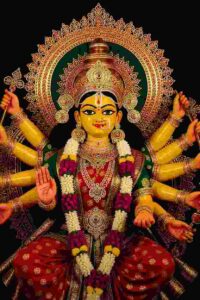
Nine Goddess Forms Navratri UAE 2025: Daily Worship and Color Significance
Nine nights. Nine divine forms. One focused heart. If you’re preparing for Navratri in the Emirates, this guide to Nine Goddess Forms Navratri UAE 2025: Daily Worship and Color Significance brings together the spiritual essence and the practical details. You’ll find daily mantras, easy puja steps, UAE-specific muhurat notes, and a clear explanation of the Navratri colors significance—so you can honor each form of the Devi with devotion and confidence.
We’ll cover how colors are chosen (and why they sometimes differ), what to offer each day, how to align your home puja with temple schedules in Dubai and Abu Dhabi, and what’s realistic in UAE venues (LED/no-flame policies, queues, and etiquette). Whether you’re a long-time devotee or a curious learner, this is a complete, UAE-ready Navratri companion.
- Reading time: 25–30 minutes
- Best for: Religious devotees, spiritual seekers, and cultural learners in the UAE
Table of Contents
- At a Glance: Nine Days, Nine Goddesses, Nine Colors (Featured Snippet)
- 2025 UAE Dates and Muhurat Notes
- How Color Traditions Work (And Why Lists Differ)
- Daily Guide: Navadurga Forms, Colors, Mantras, and Simple Worship
- Day 1 — Shailaputri (The Mountain’s Daughter)
- Day 2 — Brahmacharini (The Ascetic Student)
- Day 3 — Chandraghanta (The Crescent-Belled)
- Day 4 — Kushmanda (The Cosmic Radiance)
- Day 5 — Skandamata (Mother of Skanda)
- Day 6 — Katyayani (Warrior-Goddess)
- Day 7 — Kalaratri (Night of Time)
- Day 8 — Mahagauri (The Great Radiant One)
- Day 9 — Siddhidatri (Giver of Siddhis)
- Nine Goddess Navratri Colors Significance: A Deeper Look
- Home Puja in the UAE: Setup, Supplies, and Safety
- Temple Darshan in the UAE: Practical Tips
- Fasting (Vrat) and Prasad: Simple, Satvik, Sustainable
- Garba, Dandiya, and Cultural Evenings in the Emirates
- Key Statistics and Festival Trends (with sources)
- Resources: Internal and External Links
- Checklists You Can Use Today
- Frequently Asked Questions
- Conclusion
At a Glance: Nine Days, Nine Goddesses, Nine Colors (Featured Snippet)
Below is a compact, UAE-ready overview. Color notes reflect widely observed symbolism; local variations are respected.
- Day 1 — Shailaputri: grounding, resolve; color often Grey/Orange; offer white flowers, milk-based prasad.
- Day 2 — Brahmacharini: purity, tapas; color White; offer sugar, fruits; keep puja simple.
- Day 3 — Chandraghanta: valor, grace; color Red; offer red/vermillion flower, jaggery sweets.
- Day 4 — Kushmanda: vitality, creation; color Orange/Royal Blue (varies); offer pumpkin, malpua, or sweet fruits.
- Day 5 — Skandamata: motherly compassion; color Yellow; offer bananas, kesar sweets.
- Day 6 — Katyayani: courage, victory; color Green; offer cardamom/green-hued prasads.
- Day 7 — Kalaratri: protection, fearlessness; color Black/Grey; offer jaggery or sesame.
- Day 8 — Mahagauri: peace, purity; color Pink/Peach/White; offer coconut sweets.
- Day 9 — Siddhidatri: fulfillment, blessings; color Purple/Peacock Green; offer kheer or mixed fruits.
UAE note: Choose either the goddess-linked color (timeless symbolism) or the rotating “color-of-the-day” calendar popular on social media. Both are valid expressions of bhakti.
2025 UAE Dates and Muhurat Notes
- Navratri Day 1 (Pratipada): Monday, 22 September 2025
- Maha Ashtami: Monday, 29 September 2025
- Maha Navami: Tuesday, 30 September 2025
- Vijayadashami (Dussehra): Wednesday, 1 October 2025
What to know:
- Tithis are sunrise- and location-based. UAE muhurats differ from India by 1–2 hours.
- Follow your temple’s published muhurat for Ghatasthapana, Sandhi Puja, Kanya Puja, and Dussehra aarti.
- Community events (garba/cultural nights) are often scheduled for evenings or weekends for accessibility.
Where to verify:
- BAPS Hindu Mandir Abu Dhabi schedules
- Hindu Temple Dubai (Jebel Ali) timings
- Location-specific panchang (set to Dubai/Abu Dhabi)
When a tithi spans two civil days, worship by muhurat and attend cultural events by the venue’s schedule.
How Color Traditions Work (And Why Lists Differ)
Many ask: “Which Navratri colors are correct?” The honest answer is that color guidance comes from two respected streams:
- Goddess-based symbolism (timeless)
- Each of the Navadurga carries qualities reflected by a color family (e.g., Brahmacharini—White, Kalaratri—Black/Grey).
- This approach is stable across years and regions.
- Weekday-based rotating calendar (trending)
- Popular in parts of India and the diaspora, this system assigns colors based on the weekday of Day 1 and rotates the rest.
- The exact sequence can differ by source; organizers often publish their “color of the day” in the lead-up.
In the UAE, both approaches are embraced. To keep devotion simple:
- Use goddess-based colors for your home puja and outfits.
- If your temple or community group posts a daily color, follow that for group unity and fun.
Devotion is the essence. Colors support sankalpa (intention); they don’t define it.
Daily Guide: Navadurga Forms, Colors, Mantras, and Simple Worship
Use the following as a simple, practical companion. Keep paragraphs short and actions clear.
Day 1 — Shailaputri (The Mountain’s Daughter)
- Essence: Grounding, new beginnings, steadfastness.
- Common color: Grey or Orange (grounded energy and resolve).
- Mantra: “Om Devi Shailaputryai Namah”
- Simple worship:
- Ghatasthapana (Kalash Sthapana) during the prescribed morning muhurat.
- Offer white flowers, milk-based prasad, or sugar.
- Light a diya (LED if venue rules require); keep the puja neat and minimal in UAE apartments.
- UAE tip:
- Confirm Ghatasthapana muhurat on your temple’s page.
- Keep a small, stable puja tray; avoid open flames if local rules restrict.
Day 2 — Brahmacharini (The Ascetic Student)
- Essence: Purity, discipline, inner tapas.
- Common color: White.
- Mantra: “Om Devi Brahmacharinyai Namah”
- Simple worship:
- Offer sugar, fruits, and a small tulsi leaf (where appropriate).
- Commit to a short daily mantra practice morning and evening.
- UAE tip:
- Office-goers: keep a 7-minute morning routine (lamp, mantra, water the barley).
- Evenings: 10-minute aarti + Chalisa passage.
Day 3 — Chandraghanta (The Crescent-Belled)
- Essence: Valour with compassion.
- Common color: Red.
- Mantra: “Om Devi Chandraghantayai Namah”
- Simple worship:
- Offer red flowers or vermillion-colored blossoms.
- Prasad can be jaggery sweets or dates.
- UAE tip:
- If you attend a kirtan, carry a light shawl; AC can feel cold after aarti.
Day 4 — Kushmanda (The Cosmic Radiance)
- Essence: Vitality, creative power.
- Common color: Orange or Royal Blue (traditions vary).
- Mantra: “Om Devi Kushmandayai Namah”
- Simple worship:
- Offer pumpkin or sweet fruits; light diya; short Durga Saptashati excerpt.
- UAE tip:
- Keep puja flammable items minimal; use LED candles in community halls.
Day 5 — Skandamata (Mother of Skanda)
- Essence: Nurture, grace, protective motherhood.
- Common color: Yellow.
- Mantra: “Om Devi Skandamatayai Namah”
- Simple worship:
- Offer bananas, kesar sweets; keep puja gentle and family-inclusive.
- UAE tip:
- Great day for kids’ story circles; bring picture cards and short moral tales.
Day 6 — Katyayani (Warrior-Goddess)
- Essence: Courage, righteous action, breakthroughs.
- Common color: Green.
- Mantra: “Om Devi Katyayanyai Namah”
- Simple worship:
- Offer cardamom or green-hued prasad; chant the mantra with steady breath.
- UAE tip:
- Pair temple aarti with a short seva—labelled water bottles or volunteer line management.
Day 7 — Kalaratri (Night of Time)
- Essence: Protection, dissolving fear and obstacles.
- Common color: Black or Grey.
- Mantra: “Om Devi Kalaratryai Namah”
- Simple worship:
- Offer jaggery, sesame, or black chana (post-Ashtami exceptions).
- Keep the space simple; sit quietly for a few minutes after aarti.
- UAE tip:
- Avoid candles in halls; opt for LED diyas; confirm venue photo rules.
Day 8 — Mahagauri (The Great Radiant One)
- Essence: Purification, serenity, forgiveness.
- Common color: Pink/Peach/White.
- Mantra: “Om Devi Mahagauryai Namah”
- Simple worship:
- Offer coconut sweets; chant softly; keep the space bright and clean.
- UAE tip:
- Sandhi Puja often falls around Ashtami–Navami tithis; confirm exact window with your temple.
Day 9 — Siddhidatri (Giver of Siddhis)
- Essence: Fulfillment, blessings, completion.
- Common color: Purple or Peacock Green/Teal.
- Mantra: “Om Devi Siddhidatryai Namah”
- Simple worship:
- Offer kheer or mixed fruits; record a gratitude list for the nine nights.
- UAE tip:
- Kanya Puja is commonly observed around Navami. Seek parental consent, label food allergens, and keep gifts modest (books, hair bands).
Nine Goddess Navratri Colors Significance: A Deeper Look
Colors carry sankalpa (intention) into form. Here’s how devotees commonly interpret them across the nine nights:
- Grey/Orange (Shailaputri): Begin steady and bright. Grey grounds your resolve; orange adds zest and optimism.
- White (Brahmacharini): Purity, restraint, and spiritual clarity—ideal for deepening sadhana.
- Red (Chandraghanta): Courage and action aligned with compassion—fire tempered by grace.
- Orange/Royal Blue (Kushmanda): Life-force and cosmic depth; creation glowing against infinity.
- Yellow (Skandamata): Warmth, wisdom, and motherly care—nourishing light for families.
- Green (Katyayani): Growth and victory—courage unfolding with balance.
- Black/Grey (Kalaratri): Absorbing negativity; the fearless womb of transformation.
- Pink/Peach/White (Mahagauri): Peace and forgiveness—soft strength that restores harmony.
- Purple/Peacock Green (Siddhidatri): Divine blessings, wholeness, and a celebratory close.
The “Nine goddess Navratri colors significance” is a memory aid, not a mandate. Choose colors that help your family feel intentional and connected.
Home Puja in the UAE: Setup, Supplies, and Safety
Essentials:
- Kalash, coconut, mango leaves (or respectful local substitute)
- Red cloth, roli/kumkum, akshat (rice), incense, flowers
- Barley seeds (jav) or a small plant; diya (or LED)
- Durga image/murti; Chalisa/Saptashati book or app
Setup (15–20 minutes):
- Clean a low table; lay a red cloth.
- Place the kalash (water + coin/leaves + coconut).
- Set barley tray or plant; place the Devi image.
- Keep diya/LED, matches (if allowed), incense, prasad plates ready.
Safety in UAE settings:
- Prefer LED diyas in apartment buildings or community halls.
- Avoid open flames where rules restrict; keep puja compact and stable.
- Dispose of flowers respectfully; keep water/spillage away from electronics.
Daily rhythm:
- Morning: 5–7 minutes—lamp, short mantra, water barley.
- Evening: 10–15 minutes—Saptashati excerpt/audio, aarti, prasad.
- One bhajan evening with friends/children, even if brief.
Temple Darshan in the UAE: Practical Tips
Key temples:
- BAPS Hindu Mandir, Abu Dhabi: aarti schedules and family programs (inaugurated 2024).
- Hindu Temple Dubai (Jebel Ali): multi-deity temple managed by Sindhi Guru Darbar.
Darshan tips:
- Arrive 20–30 minutes early on Ashtami/Navami/Dussehra.
- Modest dress, light footwear, and small bags help movement.
- Photography is restricted near sanctums; follow signage and volunteer guidance.
Transit & parking:
- Dubai: Metro + short taxi often beats parking (RTA Wojhati helps plan).
- Abu Dhabi: Drive early and exit calmly; check temple announcements for peak hours.
In the UAE, open flames and fireworks are generally restricted. Expect LED/projection effects and a serene, safety-first worship environment.
Fasting (Vrat) and Prasad: Simple, Satvik, Sustainable
Commonly allowed (confirm your parampara):
- Fruits, milk, yogurt, nuts, dates
- Sabudana, kuttu (buckwheat), singhara (water chestnut)
- Samak (barnyard millet), rajgira (amaranth)
- Potatoes, sweet potatoes
- Sendha namak (rock salt), cumin, green chilies, lemon
- Ghee, peanut oil, coconut oil
Usually avoided:
- Regular salt; grains (wheat/rice); most pulses (except kala chana after Ashtami in some traditions)
- Onion and garlic
- Ultra-processed snacks with additives
Quick meal ideas (work-night friendly):
- Breakfast: Fruit + yogurt; roasted makhana.
- Lunch: Samak khichdi with peanuts + cucumber raita.
- Snack: Sabudana chivda; baked sweet potato wedges.
- Dinner: Kuttu roti + aloo sabzi; rajgira porridge with dates.
- Dessert: Sabudana kheer; rajgira laddoos.
Allergen and health tips:
- Label nuts/dairy/gluten in shared prasad.
- Hydrate with water, coconut water, or lemon water + sendha namak.
- If you have medical conditions, consult your physician before fasting.
- Kids and pregnant women can take satvik meals without fasting and join fully.
Garba, Dandiya, and Cultural Evenings in the Emirates
- Many UAE groups host garba/dandiya nights during Navratri.
- Most venues follow LED/no-flame rules; tickets or RSVP may be required.
- Family slots run earlier; youth sessions run later with faster tempo.
Etiquette:
- Join circles from the outside; keep aisles clear.
- Use soft-tipped dandiya; tap near the ends to protect fingers.
- Ask consent before close-up photos; avoid flash near aarti.
Organizers:
- Offer a 5-minute “Garba 101” tutorial.
- Label allergens; provide water refill stations.
- Share a simple values intro—many newcomers appreciate context.
Key Statistics and Festival Trends (with sources)
- Indians are the largest expatriate community in the UAE, estimated at well over 3 million residents—fueling vibrant Navratri participation. Source: UAE Government portal (u.ae).
- The BAPS Hindu Mandir in Abu Dhabi opened in 2024, adding a landmark for Navratri aarti and family programming. Source: BAPS Mandir (mandir.ae).
- UAE internet penetration exceeds 99%, enabling temple livestreams and QR-based entry/registration during festivals. Source: DataReportal – Digital 2024: UAE.
- Dubai’s public transport recorded hundreds of millions of journeys in 2023, making Metro + taxi a reliable option for festival nights. Source: RTA ridership updates (rta.ae).
- UAE safety norms prioritize no-flame LED/projection effects for cultural events, shaping modern, eco-conscious Navratri staging. Source: Dubai Municipality/venue policies.
These trends explain why UAE Navratri balances devotion with disciplined logistics—and why color-led traditions thrive alongside temple-centered worship.
Resources: Internal and External Links
Suggested internal links:
- Family-Friendly Navratri Events UAE 2025: Kid-Safe Garba
- What to Wear for Navratri UAE 2025: Traditional Dress Code Guide
- UAE Navratri Community 2025: Where Indians Celebrate Nine Nights
- Navratri 2025 UAE Weather: Best Indoor vs Outdoor Celebration Venues Guide
- Best Navratri Food Stalls UAE 2025: Traditional Vrat Meals Guide
Authoritative external sources:
- BAPS Hindu Mandir Abu Dhabi
- Hindu Temple Dubai (Jebel Ali)
- RTA – Wojhati Journey Planner
- DataReportal – Digital 2024: United Arab Emirates
Bookmark temple pages; most publish Navratri aarti windows and Vijayadashami updates 1–3 weeks in advance.
Checklists You Can Use Today
Daily Puja Micro-Routine (10–15 minutes)
- Light diya/LED
- Short mantra of the day + 1 verse/Chalisa passage
- Offer flowers/fruits; water the barley tray
- 60 seconds of silent gratitude
Family Day-Of (Temple Visit)
- Modest ethnic wear + light shawl
- Small bag; water; wipes; ID if needed
- Arrive 20–30 minutes early; follow volunteer guidance
- Ear protection for children; aisle seating if possible
Minimalist Home Setup (Under 20 Minutes)
- Red cloth + small table
- Kalash + coin/leaves + coconut
- Devi image; barley/plant
- Diya/LED; flowers; prasad bowl; matches if allowed
Organizer/Volunteer Quick Brief
- Mark exits, stroller/elder seating, and water stations
- Tape cables; guard speaker stands; post photo/no-flame rules
- Keep aisles clear; rehearse a 2-minute safety announcement
Frequently Asked Questions
Are Navratri colors fixed or do they change every year?
Both traditions exist. Goddess-based colors are timeless; weekday-based color calendars rotate yearly and vary by source. In the UAE, follow your temple/community post or choose goddess symbolism for home puja.
What are the Nine goddess Navratri colors significance in simple terms?
They echo each form’s quality—White (purity), Red (valor), Green (growth), Yellow (warmth), Black/Grey (protection), Pink/Peach/White (serenity), Orange/Royal Blue (vitality/cosmic depth), Purple/Peacock Green (fulfillment). Use them to focus intentions.
Can I perform Ghatasthapana in a UAE apartment?
Yes. Keep it compact and stable. If open flames aren’t advisable, use LED diyas. Follow local safety norms and your family’s tradition.
How do I time Sandhi Puja and Kanya Puja in the UAE?
Use a location-specific panchang (Dubai/Abu Dhabi) and your temple’s announcements. Tithis are sunrise-based and can shift from India’s timings.
What’s the best way to include children?
Keep rituals short and repeatable. Add story cards, a values pledge wall, and simple crafts (paper dandiyas, crowns). Sit near aisles for easy breaks.
Can I wear the color of the day even if I can’t follow the exact sequence?
Absolutely. The intention matters. If your office or group has a posted color, join that. If not, pick the goddess-linked color that resonates.
Are open flames or fireworks used at UAE events?
Generally no. Expect LED/projection effects and safety-first staging at temples and cultural venues.
Conclusion
Navratri in the UAE is devotion made doable—nine focused evenings that weave worship, color, and community into daily life. With this guide to Nine Goddess Forms Navratri UAE 2025: Daily Worship and Color Significance, you have a clean path: align your muhurats, select meaningful colors, keep puja steps simple, and move with the respectful rhythm of UAE temples and venues. The Devi’s forms are many; the spirit is one—steady, compassionate, and fearless.
Ready to begin? Save this guide, follow your temple’s updates, and set your daily mantra reminders. Want a color-of-the-day calendar customized for your office, school, or building? Share your city and Day 1 details—let’s craft a nine-night plan that fits your community.