Durga Puja and Navratri USA 2025: Bengali community celebrations + North Indian festival integration. Dates, muhurat, pandals, garba, bhog, tickets, transit, and family tips.
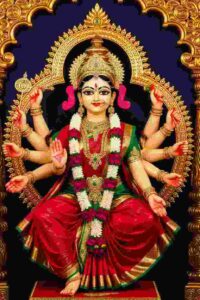
Durga Puja and Navratri USA 2025: Bengali Community Celebrations and North Indian Festival Integration
Durga Puja and Navratri USA 2025: Bengali Community Celebrations and North Indian Festival Integration is your complete, city‑aware guide to honoring both traditions—side by side—across America. From Mahalaya and Shashthi–Dashami at Bengali pandals to Navratri’s nine‑night arc of garba/dandiya and Vijayadashami aarti, this planning‑first handbook shows how communities blend schedules, cuisines, and cultural programs so everyone—Bengali devotees and North Indian festival participants—can celebrate together on time and with ease.
Inside, you’ll find a verified‑locally date window, a ten‑day festival calendar, muhurat notes by time zone, city guides (NY/NJ, Boston, DC–MD–VA, Chicago/Midwest, Texas, Bay Area/LA/SoCal, Seattle/Portland, Atlanta/Florida), a “pandal‑to‑garba” integration playbook, ticket and budget ranges, fasting vs. bhog guidance, transit and parking strategies, safety/LED rules, and volunteer timelines. Use it to plan a devotional, inclusive, and memorable season.
- Reading time: 22–28 minutes
- Best for: Bengali community leaders, probashi associations, temple committees, garba organizers, families, students, and volunteers across the USA
Table of Contents
- At a Glance: 2025 Highlights (Featured Snippet)
- Calendar & Muhurat: Mahalaya to Vijayadashami (Time‑Zone Tips)
- How Communities Integrate Durga Puja & Navratri
- Program Formats & What to Expect
- City Guides: Where to Celebrate Across the USA
- Tickets & Budgets (USD): Typical Ranges and Sample Plans
- Food: Bhog, Vrat, and a Shared Table
- Travel, Weather, and What to Wear
- Safety & Etiquette: LED/Projection, Marshal Lanes, Consent
- Organizer’s Corner: Integration Timeline, Volunteers, and Low‑Waste
- Digital & Hybrid Participation
- Case Studies: Integrated Festival Wins
- Key Statistics & Trends (with sources)
- Resources: Internal & External Links
- Checklists You Can Use Today
- Frequently Asked Questions
- Conclusion & CTA
At a Glance: 2025 Highlights (Featured Snippet)
- Dates (verify locally): Many panchangs list Navratri Day 1 as Mon, Sept 22, 2025; Maha Ashtami Mon, Sept 29; Navami Tue, Sept 30; Vijayadashami/Dussehra Wed, Oct 1. Durga Puja (Shashthi–Dashami) falls within/near this window; check your local committee’s calendar.
- Integration in the USA: Weekend‑first scheduling, joint cultural nights, and “pandal‑hopping by day + garba by night.”
- Bengali Puja essentials: Mahalaya, Shashthi, Saptami, Ashtami (Sandhi Puja), Navami, Dashami (Visarjan/Sindoor Khela where culturally appropriate), daily Pushpanjali and bhog.
- North Indian Navratri essentials: Nine nights of aarti/garba/dandiya, Ramlila scenes, Vijayadashami Aparajna/Shami/Ayudha Puja, and LED‑safe “victory of good” segments.
- Safety & rules: LED/projection (no flame/pyro), consent‑first photos, clear aisles, soft‑tipped sticks, stroller/ADA routes, and posted house rules.
- Family tips: Aisle seating, outer ring for kids, “three songs, one break,” layers for fall, and transit + short rideshare instead of inner‑city parking on Saturdays.
Best practice: Worship by muhurat at home/pandal, then attend an evening aarti and a family garba or Ramlila—an effortless, inclusive rhythm for both communities.
Calendar & Muhurat: Mahalaya to Vijayadashami (Time‑Zone Tips)
Durga Puja follows the Devi Paksha arc (Mahalaya → Shashthi → Saptami → Ashtami → Navami → Dashami). Navratri tracks the nine tithis culminating in Vijayadashami. Because the USA spans multiple time zones, confirm locally.
- Indicative 2025 anchors (verify for your city):
- Navratri Day 1 (Pratipada): Mon, Sept 22
- Ashtami: Mon, Sept 29
- Navami: Tue, Sept 30
- Vijayadashami/Dussehra (Dashami): Wed, Oct 1
- Durga Puja Mahalaya/Shashthi–Dashami: Falls around late Sept/early Oct; committees publish exact dates and daily schedules 1–3 weeks prior.
3‑minute verification routine
- Set your city in a reliable panchang for: Ghatasthapana (Day 1), Sandhi Puja (Ashtami→Navami window), and Vijayadashami Aparahna/Vijay Muhurat.
- Check your Bengali association’s calendar for Mahalaya and Shashthi–Dashami timings; note Pushpanjali and bhog hours.
- Follow your family sampradaya or your preferred temple/pandal’s final call if tithis span two civil days.
Time zones (USA)
- PDT (WA/OR/CA), MDT (CO, MT area), CDT (IL/TX area), EDT (NY/NJ/MA/DC/FL), plus AZ (no DST). Muhurat windows shift with each zone.
How Communities Integrate Durga Puja & Navratri
- Weekend‑first scheduling: Many US committees load prime cultural items on Fri–Sun, allowing devotees to attend pandal bhog and evening garba in the same city.
- Cross‑welcome: Bengali pandals announce garba/Ramlila nearby; garba organizers plug local Puja schedules—families attend both.
- Shared stages: Dhaak introductions before garba, “Dhunuchi naach x garba” fusion, and bilingual anchors for context.
- Food bridges: Satvik bhog at pandals; vrat counters at garba nights; allergy labels at both.
- Visuals: LED/projection “Ravana Dahan” and Sandhi Puja visuals—no open flame/pyro.
- Values wall: “One good choice” pledge boards resonate with both communities—children lead.
Program Formats & What to Expect
Bengali Durga Puja
- Mahalaya: Invocation of Devi; cultural recitations/music.
- Shashthi–Dashami: Daily Pushpanjali, aarti, bhog (khichuri, labra, payesh), dhunuchi naach, sindoor khela (women‑led, where culturally appropriate), visarjan or symbolic immersion.
- Cultural nights: Music, dance, recitation, theatre—bilingual intros.
Navratri
- Nine nights: Aarti, bhajans, garba/dandiya, and Ramlila scenes; family sessions earlier, youth/high‑tempo later.
- Dussehra: Aparajna/Shami/Ayudha Puja in afternoon; LED‑safe “victory” segment in evening; aarti and prasad.
Integration tips
- Publish a combined “Puja + Navratri” weekend map; stagger start times by neighborhood.
- Include a 60‑second “What is Durga Puja/Navratri?” explainer before crossover segments.
- Keep a clear aisle plan; foam sticks for kids; consent‑first photos; no mid‑circle selfies.
City Guides: Where to Celebrate Across the USA
New York–New Jersey Metro
- Bengali associations: Queens/Brooklyn/Long Island and North/Central Jersey host large pandals; Pushpanjali mornings, bhog mid‑day, cultural nights.
- Navratri hubs: Jersey City, Edison/Iselin (Oak Tree Road), Queens/Long Island schools/gyms for garba.
- Transit: MTA subway/LIRR/NJ Transit; rideshare for last mile; parking fills by 7–8 PM—arrive early.
Boston & New England
- Pandals: Greater Boston (Ashland/Woburn/Lowell/Andover) with bhog lines and cultural evenings.
- Garba: School/community halls across Metrowest/north corridors.
- Transit: MBTA subway/bus/Commuter Rail; driving with buffers.
DC–Maryland–Virginia (DMV)
- Pandals: Suburban halls in MD/VA (Lanham/Fairfax/Chantilly) with bilingual anchors.
- Navratri: Temple/community garba in school halls.
- Transit: Metro + rideshare; parking buffers for suburban gyms.
Chicago & the Midwest
- Pandals: North suburbs/city halls with big bhog days; cultural shows.
- Navratri: Schaumburg/Hoffman Estates/Skokie/Naperville gyms; arena nights sell out first.
- Transit: CTA/Metra/Pace; driving with 20–30‑minute parking buffers.
Texas (Dallas–Houston–Austin–San Antonio)
- Pandals: DFW/Houston centers; bhog queues and dhunuchi naach; weekend emphasis.
- Navratri: Large‑format garba with celebrity weekends; family sessions too.
- Transit: Limited—plan drives, carpooling, and meet‑up pins.
California (Bay Area & Southern California)
- Bay Area: Fremont/Milpitas/Sunnyvale pandals; Livermore/Sunnyvale temples; garba arena nights sell out early.
- SoCal: LA/OC/San Diego pandals and garba in university/community venues.
- Transit: BART/Caltrain (Bay Area), LA Metro; parking buffers; layers for coastal evenings.
Seattle–Portland (Pacific Northwest)
- Pandals: Greater Seattle (Eastside) and Portland cultural halls; compact and family‑friendly.
- Navratri: School/community garba with tutorials; RSVP fast.
- Transit: Link light rail/Metro/Sound Transit; TriMet in Portland.
Atlanta & the Southeast
- Pandals: Atlanta metro (Lilburn/BAPS area/Woburn‑equivalents in SE) and university halls; bhog and cultural nights.
- Navratri: Duluth/Cobb/Alpharetta family sessions + premium weekends.
- Transit: MARTA inner‑core; driving for suburbs; plan buffers.
Florida (Miami–Orlando–Tampa–Gainesville)
- Pandals: Miami/Ft. Lauderdale/Orlando/Tampa halls; bhog lines and recitations.
- Navratri: Ticketed garba in suburban gyms; family sessions earlier.
- Transit: Metrorail/Tri‑Rail (SFL), LYNX/SunRail (Orlando), HART (Tampa); expect to drive for most.
Tickets & Budgets (USD): Typical Ranges and Sample Plans
Indicative adult ranges (verify locally)
- Bengali Puja entry: Often free; bhog coupons/donations $5–$15; evening shows may be ticketed $10–$30
- Community garba (local band/DJ): $15–$35
- Mid‑scale indoor (weekend): $30–$60
- Premium/celebrity garba weekends: $50–$125+
- Kids: Free–$20 (varies by policy)
Common add‑ons
- Dandiya sticks (soft‑tipped/pair): $5–$15
- Parking: $0–$10 (venue dependent); city garages higher
- Transit: $2–$4 one‑way (city dependent); rideshare $12–$35 one‑way
- Water/snacks: $3–$10 (if outside food restricted)
Sample budgets
| Group | Scenario | Estimated Total |
|---|---|---|
| Solo saver | Puja bhog coupon $10 + garba ticket $20 + transit $6 + water $3 | $39 |
| Couple smart | 2×garba tickets $40 + sticks $10 + rideshare $30 (round) + snacks $12 | $132 |
| Family of 4 | (Puja free + bhog 4×$7) + 2×garba adult $35 + 2×kids $10 + sticks $10 + parking $10 + snacks $16 | ~$162 |
Savings stack
- Early‑bird tiers + weeknights + family/group bundles.
- Volunteer roles sometimes include free/discounted entry—ask organizers early.
- Share sticks; rotate turns to buy fewer pairs.
Food: Bhog, Vrat, and a Shared Table
Bengali Puja bhog (at venues) is typically satvik/vegetarian:
- Khichuri (moong dal + rice), labra (mixed veg), beguni/other veg fritters, chutney, payesh/kheer, mishti (sweets).
- Note: Many Bengalis eat non‑veg at home during Puja, but community bhog is vegetarian.
Navratri vrat foods (by tradition; confirm personally)
- Sabudana khichdi/vada, samak (barnyard millet) bowls, kuttu/singhara dishes, aloo/taro, chaas/yogurt, coconut/makhana sweets—made with sendha namak (rock salt).
Allergen & label checks
- Common allergens: peanuts (sabudana), cashews/milk (sweets), gluten (non‑vrat stalls). Ask for nut/dairy/gluten labels; carry an allergy card.
Integration idea
- “Bhog + Vrat” counters at joint nights; clear signage; two lines to avoid cross‑contact; compostable serveware and refill water stations.
Travel, Weather, and What to Wear
Transit: MTA/CTA/BART/MBTA/MARTA/Link/Metro Rail/RTD + buses for inner‑metro trips; check last‑train times. For suburbs, park‑and‑ride + short rideshare is often easiest.
Driving: Expect Fri/Sat parking queues; arrive 20–30 minutes early; photograph your bay; set a WhatsApp meet‑up pin.
Weather: Early fall can be crisp (North/Midwest) or mild/humid (South/Coastal).
- Layers > fashion; carry a light shawl/waterproof.
- Footwear: Cushioned juttis, dance sneakers, or low wedges; gel insoles for concrete floors.
- Bag: Small crossbody; avoid heavy totes in circles; keep QR tickets/ID handy.
Safety & Etiquette: LED/Projection, Marshal Lanes, Consent
- Stagecraft: US venues restrict open flames/pyro—expect LED/projection effects (CF: CPSC guidance).
- Floor: Keep aisles & marshal lanes clear; rejoin circles from outside; never stop mid‑flow for photos.
- Sticks: Soft‑tipped only; tap near ends; “eyes up, elbows down.”
- Phones: Silent during aarti/performances; respect no‑recording zones.
- Consent: Ask before close‑ups—especially of children and private religious moments (e.g., Sandhi Puja, aarti).
- Cleanliness: Use labeled bins; minimize single‑use plastics; refill bottles if allowed.
Organizer’s Corner: Integration Timeline, Volunteers, and Low‑Waste
30‑day integration timeline
- Define scope: Joint Puja + Navratri evening; or cross‑promoted schedules.
- Book venues; confirm capacity, COI, and fire‑code restrictions (no open flame/pyro).
- Build the run‑of‑show: 60‑sec “What is Durga Puja?” + 60‑sec “What is Navratri?”; aarti; garba tutorial; Ramlila scene; values pledge.
- AV & staging: LED/projection; taped cables; guarded speaker stands; decibel limits.
- Floor map: Marshal lanes; stroller/ADA seating; bhog/vrat counters; refill water; waste sorting.
- Policies: Sticks/bags/water/photo rules; allergy labels; transit/parking info.
- Volunteers: Entry scan, stroller bay, lanes, food/water, first‑aid liaison, clean‑up; 30‑minute training.
- Safety walk‑through; post first‑aid/lost‑and‑found contacts; brief ushers.
- Communications: Bilingual MC notes; QR poster with schedule and map; real‑time updates.
- Impact: Attendance, volunteers, water refills, waste diverted; share post‑event report with donors/partners.
Low‑waste
- Reusable décor; refill water; digital programs (QR); foam sticks for kids (collect for reuse).
Digital & Hybrid Participation
- Workday muhurat micro‑puja (LED diya, flower, short stuti) + evening aarti.
- Livestream/highlight reels for family afar (both pandal and garba).
- Shared photo album with alt text + consent notes; stick to “no‑recording” times.
Case Studies: Integrated Festival Wins
- Jersey fusion night
- A Bengali association hosted Sandhi Puja followed by a 30‑minute garba tutorial and two mixed sets. Foam sticks for kids; bhog and vrat counters side by side; exits were calm; surveys showed 92% “would return.”
- Bay Area “pandal‑to‑garba map”
- Organizers published a Saturday map (morning Pushpanjali + mid‑day bhog + evening arena garba). Riders used BART + last‑mile rideshare; turnout jumped 28% without more parking.
- Chicago “values wall”
- A joint Ramlila/garba evening introduced a bilingual “one good choice” pledge; children led the read‑out before aarti; families stayed longer and donated more to authorized causes.
Key Statistics & Trends (with sources)
- The Indian‑origin population in the U.S. exceeds 4.6 million (alone or in combination), sustaining temple/pandal festivals nationwide. Source: Pew Research Center.
- Hindus are ~1% of U.S. adults—small but active communities with robust temple networks and cultural associations. Source: Pew Religious Landscape Study.
- Open‑flame/pyrotechnic restrictions steer events toward LED/projection stagecraft and documented safety plans. Source: U.S. Consumer Product Safety Commission (CPSC) guidance.
- U.S. digital adoption remains high, enabling QR ticketing and livestreams for hybrid participation. Source: DataReportal—Digital 2024: USA.
Resources: Internal & External Links
Suggested internal links:
- Chicago Illinois Navratri 2025: Temple Events & Midwest Garba Celebrations
- Florida Navratri Celebrations 2025: Orlando Durga Sai Temple
- Arizona and Colorado Navratri 2025: Southwest & Mountain States
- Atlanta Georgia Navratri 2025: BAPS Temple & Southeast Garba Events Guide
- Boston Massachusetts Navratri 2025: New England Hindu Community Temple
Authoritative external links
- Pew Research Center — Asian Origin Groups in the U.S.
- Pew — Religious Landscape Study
- CPSC — Fireworks & Effects Safety
- time.gov — Official U.S. Time (NIST)
Always verify final aarti/Pushpanjali windows, bhog counters, garba tickets, and muhurats 1–3 weeks before each day on your temple/pandal/organizer’s official page.
Checklists You Can Use Today
Family Night‑Out Checklist
- QR tickets (screenshot) + ID
- Layered festive wear + cushioned shoes
- Water, labeled snack (if allowed), wet wipes
- Ear protection for sound‑sensitive kids; phone on silent
- Aisle seating plan; WhatsApp meet‑up pin
- Soft‑tipped sticks (if allowed) + cloth sleeve
Pandal‑to‑Garba Plan (Simple)
- Pushpanjali (morning) → bhog (mid‑day) → rest → garba tutorial (evening) → two sets outer ring → sweet + chaas → exit before surge.
Organizer 15‑Minute Joint Brief
- Exits marked; marshal lanes staffed; cables taped; stands guarded
- LED/projection—no open flame/pyro
- QR scan lanes separate from bag checks
- Bhog/vrat labels; refill water; waste sorting
- ADA routes + stroller bays; first‑aid/lost‑and‑found posted
- Photo rules; 60‑sec Puja/Navratri explainers; staged exits
Workday Muhurat Micro‑Puja
- LED tealight, flower, short stuti (5–7 min)
- Intent for the day; attend aarti/garba later
Frequently Asked Questions
When are Durga Puja and Navratri in 2025 in the USA?
Navratri Day 1 is widely listed as Mon, Sept 22; Vijayadashami/Dussehra is Wed, Oct 1. Durga Puja (Shashthi–Dashami) falls within/near this window and varies by location—check your pandal’s calendar and a city‑set panchang.
Can I attend both Pushpanjali/bhog and garba the same day?
Yes—many US metros structure weekend days for pandal‑to‑garba. Keep a light schedule: morning Pushpanjali, bhog, rest, then an early family‑session garba.
What should I wear to integrate programs?
Traditional Bengali outfits for mornings (saree/kurta) and comfortable, layered festive wear for evening garba/dandiya. Supportive shoes throughout.
Are there vegetarian/vrat options at pandals?
Bhog is vegetarian/satvik by default. For vrat items (sendha namak, kuttu/samak), check if the event has a separate counter or plan a quick home snack pre‑garba.
Can we burn a Ravana effigy at Vijayadashami?
Usually not in the USA—fire codes restrict open flame/pyro. Communities use LED/projection or symbolic segments.
Are family sessions common?
Yes—family‑labeled garba sessions and child‑friendly cultural blocks are common on weekends. Early evening is best for kids/elders.
How do I verify muhurats for my city?
Use a reliable panchang set to your city and your temple/pandal’s posted schedule. If tithis span two civil days, follow your sampradaya or the venue you attend.
Conclusion & CTA
Durga Puja and Navratri USA 2025: Bengali Community Celebrations and North Indian Festival Integration shows how seamlessly these great traditions can dance together—pandal anjali and bhog by day, aarti and garba by night, all under LED‑bright, safety‑first staging. With city‑set muhurats verified, QR tickets saved, transit/parking planned, and family‑friendly pacing, your ten‑day calendar can feel devotional, inclusive, and beautifully on time.
Ready to map your integrated schedule? Bookmark this guide, set reminders for Day 1 (Sept 22), Ashtami/Navami (Sept 29–30), and Vijayadashami (Oct 1), and follow your local pandal/temple/garba pages. Want a customized “pandal‑to‑garba” map—by city, budget, and family needs? Comment with your metro, dates, and group size—we’ll tailor your plan.