Shardiya Navratri UAE 2025: September dates, puja steps, temple events, fasting tips, and family ideas. Check muhurat notes, venues, and budgets—plan now.
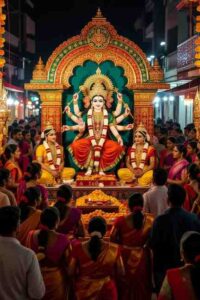
Shardiya Navratri UAE 2025: September Festival Dates and Celebrations
Will Shardiya Navratri start in September this year? Yes—most UAE calendars show a September start for 2025. In this complete guide to Shardiya Navratri UAE 2025: September Festival Dates and Celebrations, you’ll find confirmed date windows, puja steps, temple venues, fasting tips, and family-friendly ideas across Dubai, Abu Dhabi, Sharjah, and the Northern Emirates.
You’ll also see how to align tithi-based observance with local schedules, what to expect at mandirs, and how to plan a compliant celebration in the UAE. Whether you’re a first-time observer or a seasoned devotee, this is everything you need to celebrate with devotion and ease.
- Reading time: 18–22 minutes
- Best for: Devotees, families, volunteers, and community organizers
Table of Contents
- At a Glance: UAE Dates for Shardiya Navratri 2025 (Featured Snippet)
- What Is Shardiya Navratri? Meaning and Flow of the Nine Nights
- Confirming Dates and Muhurat in the UAE
- City Guides: Where to Celebrate in Dubai, Abu Dhabi, Sharjah, and Beyond
- Puja Guide: Daily Devotions, Ghatasthapana, and Kanya Puja
- Fasting (Vrat) in the UAE: What to Eat and Where to Shop
- Garba & Dandiya Nights: How to Join Respectfully
- Home & Community Planning: Step-by-Step Checklists
- Permits, Etiquette, and Safety in the UAE
- Digital & Hybrid Participation
- Key Statistics and Festival Trends
- Case Studies: Real Stories from Devotees in the UAE
- Resources: Internal and External Links
- Frequently Asked Questions
- Conclusion
At a Glance: UAE Dates for Shardiya Navratri 2025 (Featured Snippet)
Below is a quick-reference schedule many devotees in the UAE will follow this year. Tithi-bound festivals can shift by location, so always confirm locally.
- Day 1 (Pratipada): Monday, 22 September 2025 — Shailaputri; Ghatasthapana
- Day 2 (Dwitiya): Tuesday, 23 September 2025 — Brahmacharini
- Day 3 (Tritiya): Wednesday, 24 September 2025 — Chandraghanta
- Day 4 (Chaturthi): Thursday, 25 September 2025 — Kushmanda
- Day 5 (Panchami): Friday, 26 September 2025 — Skandamata
- Day 6 (Shashthi): Saturday, 27 September 2025 — Katyayani
- Day 7 (Saptami): Sunday, 28 September 2025 — Kalaratri
- Day 8 (Ashtami): Monday, 29 September 2025 — Mahagauri; Sandhi Puja window
- Day 9 (Navami): Tuesday, 30 September 2025 — Siddhidatri; Kanya Puja
- Vijayadashami / Dussehra: Wednesday, 1 October 2025 — Shami Puja, Aparajita Puja
Note on tithis: Due to sunrise-based tithis and Gulf time zones, some panchangs may list Day 1 on 21 September and Vijayadashami on 30 September. Always follow the muhurat guidance from your preferred temple or family tradition.
What Is Shardiya Navratri? Meaning and Flow of the Nine Nights
Shardiya Navratri honors the nine forms of Goddess Durga and culminates in Vijayadashami. It is the most widely observed Navratri, aligning with the bright fortnight of the Ashwin month.
- The festival celebrates the triumph of dharma over adharma.
- Each day venerates a different form of the Devi.
- Many devotees observe vrats (fasts) and daily aarti at home and temple.
Additionally, communities across the UAE celebrate with bhajans, Durga Saptashati path, and kids’ activities. The energy builds from Day 1 (Ghatasthapana) to Day 8 (Maha Ashtami) and Day 9 (Maha Navami).
The nine forms of Durga (Navadurga)
- Shailaputri
- Brahmacharini
- Chandraghanta
- Kushmanda
- Skandamata
- Katyayani
- Kalaratri
- Mahagauri
- Siddhidatri
The spiritual focus is simple: call upon Shakti within and around you. Every small act of devotion counts.
Confirming Dates and Muhurat in the UAE
Tithi-based festivals depend on sunrise and local coordinates. In the UAE, muhurats can differ from Indian cities by 1–2 hours, occasionally shifting the observance date.
- First, check with your local temple (Dubai or Abu Dhabi) for their published schedule.
- Additionally, use a reputable panchang for Dubai/Abu Dhabi to see tithis and muhurats.
- Therefore, confirm Ghatasthapana and Sandhi Puja time windows in GST (UAE time).
Where to verify:
- Temple websites often publish daily aarti and special timings.
- Panchang tools let you set location for accurate tithis.
- WhatsApp groups of resident associations usually share the final call for your community hall.
If a tithi spans two days, follow your family sampradaya or the mandir you attend. Both approaches are valid.
City Guides: Where to Celebrate in Dubai, Abu Dhabi, Sharjah, and Beyond
Each emirate has a unique rhythm. Here’s how to plan your visits and what to expect.
Dubai: Devotion meets scale
- Jebel Ali Hindu Temple Complex & the Bur Dubai temple area host morning/evening aarti.
- Community centers and auditoriums run bhajan evenings and dandiyas.
- Indian restaurants and mithai shops offer vrat-friendly menus in Navratri.
Tips:
- Arrive early for aarti to manage parking and queues.
- Use public transport where possible, especially on weekends.
- Keep a small bag for shoes, sanitizer, and a water bottle.
Abu Dhabi: A landmark for 2025 celebrations
- BAPS Hindu Mandir is now a major hub for satsang, aarti, and family activities.
- Indian Social & Cultural Centre and school auditoriums host cultural programs.
- Family-friendly parks and corniche offer peaceful post-aarti strolls.
Tips:
- Check the mandir timetable a few days ahead.
- Carry modest attire and a light shawl for indoor sanctums.
- If attending with kids, plan shorter time blocks with breaks.
Sharjah and Northern Emirates: Intimate and warm
- Prayer halls and community spaces feel personal and less crowded.
- Volunteer-led bhajan evenings are common.
- Great for first-time observers and young families.
Tips:
- Carpool to ease parking.
- Bring your own floor mats if halls fill up.
- Share prasad in small portions to avoid waste.
Puja Guide: Daily Devotions, Ghatasthapana, and Kanya Puja
This section gives you a simple, practical path for home worship in the UAE. Follow your family parampara; adjust as needed.
Essentials for Ghatasthapana (Kalash Sthapana)
- Kalash (copper/steel), coconut, mango leaves (or local leaves if not available)
- Clean soil or wheat for barley (jav) sowing; a small plate for beej
- Red cloth/dupatta, chunri, roli, akshat (rice), flowers, incense, diya, camphor
- Durga image or murti; Durga Saptashati/Chandi path book or app
Step-by-step:
- Clean the puja space; face east or north if possible.
- Lay a red cloth; place the Kalash with water, coin, and leaves; set the coconut above.
- Sow barley in a shallow plate; place near the Kalash.
- Light diya; do sankalpa with date/place (in UAE) and your family’s intentions.
- Offer flowers and kumkum; chant Durga mantras or a short Stuti.
- Do a brief aarti; share simple prasad.
If barley seeds or mango leaves are hard to find, use local substitutes respectfully. Intention and purity matter more than perfection.
Daily structure for the nine nights (simple and steady)
- Morning: 5–10 minutes of mantras or Durga Chalisa; water the barley.
- Evening: Lamp lighting, short reading from Durga Saptashati (or listen to an audio path), aarti, and prasad.
- Optional: Host one bhajan evening with friends or neighbors.
Maha Ashtami and Maha Navami
- Ashtami (Day 8): Many families perform Sandhi Puja (between Ashtami/Novami tithis) and a havan in community halls or at temple.
- Navami (Day 9): Kanya Puja (Kanjak)—worship 9 girls (or any number available) as forms of the Devi; offer simple prasad like kala chana, halwa, and puri.
Kanya Puja tips in the UAE:
- Ask parents’ consent in advance; share timings and menu.
- Offer modest gifts (books, hair bands, bangles) instead of cash if preferred.
- Keep allergy notes and use clean, separate serving spoons.
Vijayadashami observance
- Perform Aparajita Puja or Shami Puja where possible.
- Visit the temple for aarti and blessings for new beginnings.
- Start something auspicious: a book, a class, or a seva plan.
Fasting (Vrat) in the UAE: What to Eat and Where to Shop
Navratri vrats vary by tradition. Many devotees practice falahar (fruit-based) or one-meal fasts with vrat grains and rock salt.
Allowed in many traditions:
- Fruits, milk, yogurt, nuts, and dates
- Sabudana (tapioca), kuttu (buckwheat) flour, singhare ka atta (water chestnut flour)
- Samak ke chawal (barnyard millet), amaranth (rajgira), potatoes, sweet potatoes
- Sendha namak (rock salt), cumin, green chilies, lemon
- Ghee, peanut oil, coconut oil
Usually avoided:
- Regular salt, cereals (wheat/rice), pulses (except kala chana after Ashtami in North Indian tradition)
- Onion and garlic
- Commercial snacks with unknown additives
Where to shop in the UAE:
- Indian grocers and spice stores in Bur Dubai, Karama, and Meena Bazaar
- Al Adil Trading for Indian specialty items
- Hypermarkets (Lulu, Carrefour) carry kuttu, singhara, and samak during Navratri
- Sweets and farsan shops offer vrat-compliant items—always read labels
Additionally, prepare a weekly plan to avoid last-minute confusion. Cook once, eat twice—many vrat dishes reheat well.
Simple vrat menu ideas for busy weekdays
- Breakfast: Fruits + yogurt, or roasted makhana
- Lunch: Samak rice khichdi with peanuts + cucumber raita
- Snack: Sabudana chivda or baked sweet potato wedges
- Dinner: Kuttu rotis with aloo sabzi + glass of chaas
- Dessert: Rajgira laddoo or kheer made with dates
Hydration and health:
- Drink water and coconut water; add a pinch of sendha namak if needed.
- If you have health conditions, consult your doctor before fasting.
- Children and pregnant women can opt for satvik, non-fasting food and join the puja fully.
Garba & Dandiya Nights: How to Join Respectfully
Garba and dandiya add joy to Shardiya Navratri. In the UAE, these events happen in community halls, schools, hotels, and clubs.
- First, check if the event is ticketed and if pre-registration is required.
- Dress code: Comfortable ethnic wear—chaniya choli, kurta, or smart casuals.
- Footwear: Closed, comfy shoes for long dancing.
- Bring: Water bottle, small towel, and dandiya sticks if not provided.
Etiquette:
- Follow the instructor for basic steps; beginners are welcome.
- Keep the circle moving; be mindful of space and children on the floor.
- Photography is fine, but ask before close-ups.
Open flames and fireworks are restricted. Organizers should use LED effects and safe décor instead.
Home & Community Planning: Step-by-Step Checklists
Planning well keeps your celebration mindful and smooth. Use these checklists for home and community-scale events.
Home celebration checklist (Navratri-ready in 60 minutes)
- Clean and set up a small puja corner with diya and bell.
- Arrange Kalash, flowers, and barley for Ghatasthapana.
- Keep a printout or app for Durga Chalisa/Saptashati.
- Stock vrat essentials and label containers.
- Create a simple daily routine: morning mantra + evening aarti.
- Invite a few friends for one bhajan evening.
Community event planning (3–4 weeks out)
- Define your event: bhajan night, Saptashati path, or kids’ cultural hour.
- Form a core team: puja lead, logistics, safety, food/prasad, finance.
- Choose venue and date; ask the venue about capacity and permits.
- Share save-the-date posters on WhatsApp and community boards.
- Book sound, stage, and seating early to avoid rush pricing.
- Finalize food: vrat-friendly menu, allergen labels, water stations.
- Prepare signage: entry/exit, shoe racks, seating for elderly.
- Run a rehearsal and safety walk-through.
Budget ranges (indicative)
- Small hall bhajan evening (60–100 people): AED 2,500–7,000
- Medium auditorium program (150–300 people): AED 10,000–30,000
- Multi-night garba series (sponsor-supported): AED 30,000–100,000+
Where the budget goes:
- Venue + permits: 25–40%
- AV + stage: 20–30%
- Prasad/food: 15–25%
- Décor + print: 5–10%
- Safety + first aid: 5–10%
- Contingency: 10%
Cost saver:
- Bundle AV with the venue when possible. This often saves 15–25% versus last-minute rentals.
Permits, Etiquette, and Safety in the UAE
Respecting local norms keeps our celebrations welcome and secure.
Permits:
- Venues will guide you if approvals are needed for public events.
- For large gatherings or ticketed programs, organizers should confirm requirements with local authorities via the venue.
- Avoid any open flames, fireworks, or public processions unless explicitly allowed.
Etiquette:
- Dress modestly in public spaces.
- Keep volume within venue limits; use sound checks.
- Always seek consent for close-up photos, especially of children.
Safety:
- Assign a safety lead; brief volunteers on emergency exits and first aid.
- Keep aisles clear; set up labeled shoe racks to avoid clutter.
- Provide drinking water and a quiet corner for elders and toddlers.
Fundraising is regulated. Donate only through approved channels or temple-run initiatives.
Digital & Hybrid Participation
Can’t attend in person? You can still celebrate fully.
- Live-stream aarti from your puja space or watch temple streams.
- Join a virtual Durga Saptashati path with friends on video call.
- Host a Navratri quiz for kids; share daily Devi facts on your group chat.
- Create a digital recipe swap for vrat dishes and prasad ideas.
Tech tips:
- Use a small tripod and clip-on mic for clear audio.
- Keep your phone on Do Not Disturb during aarti.
- Share the schedule in GST (UAE time) and IST if family joins from India.
Key Statistics and Festival Trends
Here are useful, recent data points that shape Shardiya Navratri UAE 2025: September Festival Dates and Celebrations.
- The Indian community is the UAE’s largest expatriate group, estimated at around 3.5 million residents. Source: UAE Government portal (u.ae).
- The BAPS Hindu Mandir in Abu Dhabi opened in 2024, creating a major cultural and devotional hub for families. Source: mandir.ae.
- The UAE maintains one of the world’s highest internet and smartphone usage rates, enabling live-streamed pujas and community coordination. Source: Datareportal UAE 2024.
- The UAE–India corridor remains among the top global remittance routes, reflecting strong diaspora ties that peak during festivals. Source: World Bank Migration and Remittances.
These trends explain why temples and community halls see high attendance and why hybrid events thrive during Navratri.
Case Studies: Real Stories from Devotees in the UAE
Stories show how families adapt traditions with heart and care.
Priya’s first Navratri in Abu Dhabi
Priya moved from Pune in early 2025. She felt unsure about supplies and timings. She called the BAPS Mandir for the schedule, bought singhara atta and samak from Lulu, and kept a short daily routine—morning mantra, evening aarti, and one bhajan night with neighbors. Her key learning: plan simple, repeatable steps.
Rahul’s community bhajan in Dubai
Rahul and friends booked a small hall for 120 people. They used LED diyas, labeled food with allergens, and held a 25-minute Saptashati excerpt. Costs stayed low because they bundled AV with the venue. Outcome: full hall, safe exits, and zero waste thanks to compostable plates.
Sana’s vrat-friendly menu in Sharjah
Sana is diabetic. She spoke with her physician, then chose a no-sugar vrat: rajgira rotis, baked sweet potatoes, and coconut kheer with dates. She felt energetic through the nine nights and joined two dandiya evenings without fatigue.
You Might Also Like
- Navratri in UAE 2025: Garba and Dandiya Nights Guide
- Top 15 Navratri Events in Dubai, Abu Dhabi & Sharjah 2025
- Garba Dandiya Nights Dubai 2025: Falguni Pathak Live Guide
- Dussehra Celebration in UAE 2025: Complete Guide to Events
Authoritative external sources:
- BAPS Hindu Mandir Abu Dhabi
- Hindu Temple Dubai (Jebel Ali)
- UAE Government Portal – India Relations
- Datareportal – Digital 2024: United Arab Emirates
- World Bank – Migration and Remittances
Frequently Asked Questions
Is Shardiya Navratri a public holiday in the UAE?
No. Shardiya Navratri is not a public holiday. Major celebrations happen in the evenings and on weekends to help devotees attend.
When does Shardiya Navratri start in the UAE in 2025?
Most UAE calendars indicate Day 1 on Monday, 22 September 2025. However, due to tithi timings, some panchangs may list Day 1 on Sunday, 21 September. Always follow your temple’s muhurat.
When is Maha Ashtami and Maha Navami?
Maha Ashtami is likely Monday, 29 September 2025, and Maha Navami on Tuesday, 30 September 2025, in the UAE. Confirm the Sandhi Puja window locally.
When is Vijayadashami/Dussehra in the UAE in 2025?
Vijayadashami is expected on Wednesday, 1 October 2025, for most UAE observances. Some calendars may show Tuesday, 30 September—check with your preferred mandir.
Can we burn an effigy or use fireworks?
Typically, no. Open flames, fireworks, and public processions are restricted. Choose safe alternatives like LED décor and indoor stage effects.
What should I wear to temple or garba nights?
Modest, comfortable ethnic wear works well. Carry a light shawl for air-conditioned halls and wear comfortable shoes if you plan to dance.
How do I keep my vrat balanced and healthy?
Include hydrating drinks, nuts, and satvik vegetables. Avoid packaged snacks with unknown additives. If you have health conditions, consult your doctor.
Are children allowed at temple events?
Yes. Most temples welcome families. Keep children close in crowded areas and use ear protection if they are sensitive to sound.
Conclusion
Shardiya Navratri UAE 2025: September Festival Dates and Celebrations brings nine nights of devotion, music, and community. With a clear date window, simple puja steps, and helpful city guides, you can celebrate fully—at home or at temple—while respecting local rules. Plan your vrat, pick your aarti slots, and book a garba evening if you wish.
Ready to begin? Save this guide, share it with your family, and finalize your puja checklist today. If you want a personalized plan for your city and schedule, drop a comment with your emirate and preferred dates—what would help you the most this Navratri?