Navratri to Dussehra Canada 2025: September 22–October 2 ten‑day festival calendar. City-wise muhurat tips, temple nights, garba, fasting, travel, and family guides.
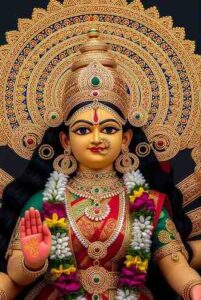
Navratri to Dussehra Canada 2025: September 22 to October 2 Ten-Day Festival Calendar
Nine nights and one victorious day—planned for real Canadian life. Navratri to Dussehra Canada 2025: September 22 to October 2 Ten-Day Festival Calendar gathers everything you need to celebrate all ten days with clarity: a day‑by‑day schedule, how to verify muhurats for your city, a region‑by‑region guide (GTA, Vancouver & Lower Mainland, Calgary/Edmonton, Ottawa–Gatineau, Montreal, Winnipeg, Saskatoon/Regina, Atlantic Canada, and Newfoundland), family‑friendly garba options, budgets, transit and weather prep, fasting menus, and an organizer’s timeline.
You’ll get a featured ten‑day list suitable for a fridge door, plus checklists for families, students, and volunteers. Follow this plan to observe by tithi—and still make your weeknights and school runs work.
- Reading time: 22–28 minutes
- Best for: Navratri celebrants & ten‑day festival participants across Canada
Table of Contents
- At a Glance: Ten‑Day Calendar (Featured Snippet)
- How to Use This Calendar: Tithis, Time Zones, and Verification
- Day‑by‑Day Guide: Sept 22 to Oct 2 (Observances, Colours, Ideas)
- Garba & Dandiya Nights: Formats, Tickets, and Crowd Patterns
- City & Region Guide: Where to Celebrate Across Canada
- Tickets & Budgets (CAD): Typical Ranges and Sample Plans
- Fasting (Vrat): Allowed Foods, 7‑Day Menu, and Where to Shop
- Travel, Weather, and What to Wear
- Safety & Etiquette: LED/Projection, Marshal Lanes, Photo Consent
- Organizer’s Corner: 30‑Day Timeline, Permits, and Low‑Waste
- Digital & Hybrid Participation
- Key Statistics & Trends (with sources)
- Resources: Internal & External Links
- Checklists You Can Use Today
- Frequently Asked Questions
- Conclusion & CTA
At a Glance: Ten‑Day Calendar (Featured Snippet)
Below is a simple, Canada‑ready schedule many devotees follow. Always verify muhurats for your city.
- Day 1 (Mon, Sept 22): Shailaputri — Ghatasthapana (morning muhurat); colour: white/grey
- Day 2 (Tue, Sept 23): Brahmacharini — tapas & study; colour: orange
- Day 3 (Wed, Sept 24): Chandraghanta — courage & grace; colour: white
- Day 4 (Thu, Sept 25): Kushmanda — creative energy; colour: red
- Day 5 (Fri, Sept 26): Skandamata — compassion; colour: royal blue
- Day 6 (Sat, Sept 27): Katyayani — righteous action; colour: yellow
- Day 7 (Sun, Sept 28): Kalaratri — protection; colour: green
- Day 8 (Mon, Sept 29): Mahagauri — Sandhi Puja (Ashtami→Navami window); colour: peacock green
- Day 9 (Tue, Sept 30): Siddhidatri — Kanya Puja (consent‑first); colour: purple
- Day 10 (Wed, Oct 1): Vijayadashami/Dussehra — Aparajita/Shami/Ayudha Puja during Aparahna & Vijay Muhurat
- Overflow (Thu, Oct 2): Some community programs run this day for accessibility—worship by muhurat; attend events by schedule
Time zones matter: Vancouver (PDT), Calgary/Edmonton (MDT), Winnipeg (CDT), Toronto/Ottawa/Montreal (EDT), Atlantic (ADT), and Newfoundland (NDT, +30 minutes) shift muhurat windows. Verify locally.
How to Use This Calendar: Tithis, Time Zones, and Verification
Navratri and Dussehra are tithi‑based (lunar), not civil‑date based. Precision comes from local sunrise/sunset and your city’s time zone.
- Canada spans six time zones—Newfoundland has a unique +30‑minute offset.
- A date posted for India may shift to the previous evening or the next morning in Canada.
3‑minute verification routine:
- Open a reliable panchang, set to your city (e.g., Toronto, Vancouver, Calgary).
- Note Ghatasthapana (Day 1), Sandhi Puja (Ashtami–Navami), and Dussehra Aparahna/Vijay Muhurat (afternoon).
- Cross‑check with your temple’s bulletin/social pages. If a tithi spans two civil days, follow your sampradaya or your temple’s guidance—both are respected.
Workday tip: If you can’t be home at the exact window, perform a 10–15‑minute Aparajita/Ayudha Puja (LED diya, flower, short stuti) during the window you can catch; attend temple aarti in the evening.
Day‑by‑Day Guide: Sept 22 to Oct 2 (Observances, Colours, Ideas)
Keep each day devotional and doable. Colours are traditional suggestions—follow your family parampara.
- Day 1 — Shailaputri (Mon, Sept 22)
- Do: Ghatasthapana/Kalash Sthapana; sow barley (optional).
- Home: Sankalpa; short stuti; aarti; keep a “nine nights” calendar for kids.
- Evening: Temple aarti (arrive early).
- Day 2 — Brahmacharini (Tue, Sept 23)
- Do: Choose a simple restraint (less sugar/screens); short reading/listening.
- Community: Join a 15‑minute online bhajan in the family chat.
- Day 3 — Chandraghanta (Wed, Sept 24)
- Do: Lamp lighting (LED ok); gratitude notes in a bowl; kindness task for kids.
- Evening: Mid‑week temple aarti where possible.
- Day 4 — Kushmanda (Thu, Sept 25)
- Do: Offer fruit or a homemade sweet; refresh the altar cloth/flowers.
- Day 5 — Skandamata (Fri, Sept 26)
- Do: Family values story; label allergens on shared snacks if you host.
- Evening: Garba tutorial video + 10‑minute practice.
- Day 6 — Katyayani (Sat, Sept 27)
- Do: Garba/dandiya or satsang night; choose comfortable shoes.
- Safety: Soft‑tipped sticks only; outer ring for kids.
- Day 7 — Kalaratri (Sun, Sept 28)
- Do: Quiet evening aarti; 5–10 minutes reflection or journaling.
- Day 8 — Mahagauri (Mon, Sept 29)
- Do: Sandhi Puja (Ashtami→Navami)—confirm the exact window.
- Plan: Arrive 20–30 minutes early for temple; expect peak crowds.
- Day 9 — Siddhidatri (Tue, Sept 30)
- Do: Kanya Puja (consent‑first) with kala chana, halwa, puri; modest gifts (books/hairbands).
- Etiquette: Allergy labels and brief context for families new to the tradition.
- Day 10 — Vijayadashami (Wed, Oct 1)
- Do: Aparajita/Shami/Ayudha Puja during Aparahna & Vijay Muhurat; begin something new (study plan, class, seva).
- Evening: Temple aarti and community gathering; symbolic, LED‑safe “victory of good over evil.”
- Thu, Oct 2 (overflow)
- Some temples/community halls run related programs for accessibility. Worship by muhurat; attend events by schedule.
Garba & Dandiya Nights: Formats, Tickets, and Crowd Patterns
- Temple‑linked cultural nights: RSVP/free or nominal fee, with short garba sets and devotional focus.
- Community halls (local band/DJ): $15–$35 adult; family sessions earlier; youth sessions later; soft‑tipped sticks only.
- Mid‑scale indoor weekends: $30–$60; larger floors; numbered zones possible.
- Premium/celebrity weekends: $50–$125+; bigger sound/LED rigs; reserve early.
Crowd patterns:
- Fridays/Saturdays = largest turnout; arrive early for parking and check‑in.
- Family sessions = calmer circles and easier exits; tutorials at the start help newcomers.
- University garbas fill fast—follow student associations for RSVP links.
City & Region Guide: Where to Celebrate Across Canada
Greater Toronto Area (GTA)
- Mississauga/Brampton/Etobicoke/Scarborough/Richmond Hill/Markham corridors host temple aarti and garba in school/community halls.
- Transit: TTC/GO/MiWay/YRT/Viva combinations; PRESTO across systems; check last‑train times.
- Family tips: Aisle seating; soft‑tipped sticks; “three songs, one break” rhythm for kids.
Vancouver & Lower Mainland (BC)
- Surrey (Newton/Scott Rd) and Vancouver temple/cultural halls run aarti, satsang, and garba; arena‑scale nights sell out early.
- Transit: TransLink SkyTrain + bus; layers + light waterproof for coastal evenings.
- Family tips: Mid‑house off‑center sound spots; comfortable shoes for concrete floors.
Calgary & Edmonton (Alberta)
- Calgary NE and Edmonton South host temple aarti, family melas, and gym‑hall garbas.
- Transit: C‑Train (Calgary), ETS/LRT (Edmonton); add 20–30 minutes for Friday parking; photograph your bay.
- Family tips: Arrive early; kids in outer ring; ear protection for sound‑sensitive.
Ottawa–Gatineau (ON/QC)
- Temple evenings with bilingual announcements; community garba in school halls.
- Transit: OC Transpo (Ottawa), STO (Gatineau) for central venues.
- Family tips: Early sessions for kids; aisle seating for quick breaks.
Montreal (QC)
- Temple aarti and cultural showcases; school/community garba with bilingual cues.
- Transit: STM Metro/bus for core venues; check late‑night service.
- Family tips: Keep bags light; consent‑first photos.
Winnipeg (Manitoba)
- Temple aarti; compact community garba in school/community centers.
- Transit: Winnipeg Transit; parking generally easier—still arrive early.
- Family tips: Layers for cool evenings; “outer ring only” for younger kids.
Saskatoon & Regina (Saskatchewan)
- Intimate temple evenings; family‑first garba with tutorials.
- Transit: Saskatoon/Regina Transit for city hops; plenty of driving.
- Family tips: RSVP essential; foam sticks for kids; on‑time starts.
Atlantic Canada (NS/NB/PEI)
- Halifax/Moncton/Charlottetown campus and civic halls; compact gatherings.
- Transit: Local agencies (Halifax Transit etc.); plan weather‑safe layers.
- Family tips: Early exits for toddlers; no inner‑ring density.
Newfoundland & Labrador (NL)
- Unique NDT time (+30 minutes).
- St. John’s community/campus halls host devotional evenings and small garba sessions.
- Family tips: Verify muhurats carefully; indoor venues preferred in windy weather.
Tickets & Budgets (CAD): Typical Ranges and Sample Plans
Indicative adult ranges (verify locally):
- Temple RSVP cultural evening: Free–$15
- Community hall garba (local band/DJ): $15–$35
- Mid‑scale indoor (weekend): $30–$60
- Premium/celebrity weekends: $50–$125+
- Kids (if applicable): Free–$20 (varies by age policy)
Common add‑ons:
- Dandiya sticks (soft‑tipped/pair): $5–$15
- Parking: $0–$10 (venue/area dependent)
- Transit: $2–$4 one‑way (adult; city dependent)
- Rideshare (one way): $12–$35 (distance/time)
- Water/snacks: $3–$10 (if outside food is restricted)
Sample budgets
| Group | Scenario | Estimated Total |
|---|---|---|
| Solo saver | Ticket $20 + sticks $8 + transit $6 + water $3 | $37 |
| Couple smart | 2×$40 tickets + sticks $10 + rideshare $30 (round) + snacks $12 | $132 |
| Family of 4 | (2×$35 + 2×$10) + sticks $10 + parking $10 + snacks $16 | $126 |
Savings stack:
- Early‑bird tiers + weeknights (Mon–Thu) + family/group bundles.
- Volunteer roles sometimes include free/discounted entry—ask early.
- Share sticks; rotate turns to buy fewer pairs.
Fasting (Vrat): Allowed Foods, 7‑Day Menu, and Where to Shop
Commonly allowed (confirm your tradition)
- Fruits, milk, yogurt, nuts, dates
- Sabudana (tapioca), kuttu (buckwheat), singhara (water chestnut)
- Samak ke chawal (barnyard millet), rajgira (amaranth), potatoes/sweet potatoes
- Sendha namak (rock salt), cumin, green chilies, lemon
- Ghee, coconut/peanut oil
Usually avoided
- Regular salt; grains (wheat/rice); most pulses (except kala chana after Ashtami in some traditions); onion & garlic; unknown additives.
7‑day vrat menu (mix & match)
- Breakfasts: Fruit + yogurt; roasted makhana; banana‑date smoothie
- Lunches: Samak khichdi + peanuts; cucumber raita; sweet potato chaat (sendha namak)
- Snacks: Sabudana chivda; baked sweet potato wedges; nuts + dates
- Dinners: Kuttu rotis + aloo sabzi; rajgira porridge; paneer (if allowed)
- Desserts: Sabudana kheer; coconut laddoos; dates‑based kheer
Where to shop (by region—examples)
- GTA: Devon Avenue‑style? (In Toronto, Little India—Gerrard St. E.; Mississauga/Brampton Indian grocers).
- Vancouver/Surrey: Scott Rd/Newton corridors.
- Calgary/Edmonton: NE Calgary (Martindale/Saddleridge); Mill Woods (Edmonton).
- Winnipeg/Saskatoon/Regina: Regional corridors with South Asian grocers; check temple stalls on key nights.
- Ottawa/Montreal: City corridors with Indian grocers; verify vrat flours and sendha namak labels.
Hydration & health
- Water, coconut water, lemon water + pinch of sendha namak.
- If you have medical conditions, consult your physician before fasting.
- Kids/pregnant women can choose satvik meals without fasting and still take part fully.
Travel, Weather, and What to Wear
- Transit: Use TTC/GO/MiWay/YRT (GTA), TransLink (Metro Vancouver), C‑Train/ETS (Calgary/Edmonton), OC Transpo/STM (Ottawa/Montreal), Winnipeg/Saskatoon/Regina Transit. Check last‑trip times and park‑and‑ride options.
- Driving: Add 20–30 minutes Fri/Sat for parking and seating; photograph your bay; set a WhatsApp meet‑up pin.
- Weather: Prairies—cool/crisp evenings; BC coast—mild/drizzly. Layers > fashion.
- Footwear: Cushioned juttis/mojaris, dance sneakers, or low wedges; gel insoles for concrete floors.
- Bag: Small crossbody/potli; avoid heavy totes in circles; keep QR tickets/ID handy.
Safety & Etiquette: LED/Projection, Marshal Lanes, Photo Consent
- Stagecraft: Canadian venues restrict open flame/pyro—expect LED/projection.
- Floor: Keep aisles & marshal lanes clear; rejoin circles from outside; never stop mid‑flow for photos.
- Sticks: Soft‑tipped only; tap near ends; “eyes up, elbows down.”
- Phones: Silent during aarti/performances; respect no‑recording zones.
- Consent: Ask before close‑ups—especially of children.
- Cleanliness: Use labeled bins; refill bottles if allowed; minimize single‑use plastics.
Organizer’s Corner: 30‑Day Timeline, Permits, and Low‑Waste
30‑day timeline (community event)
- Define scope: aarti + bhajans, garba/dandiya, Ramlila block, or a family mela.
- Book venue; confirm capacity, Certificate of Insurance (COI), and fire‑code restrictions (no open flame).
- Secure priest/emcee, band/DJ, youth items; open RSVPs/tickets.
- Lock AV/stage; set decibel limits; schedule rehearsals; tape cables; guard stands.
- Map flow: exits, marshal lanes, water stations, accessible + stroller seating.
- Publish bag/stick/water/photo policy; add transit/parking details.
- Label prasad/snacks for allergens; set waste sorting (recycle/landfill); provide refill water.
- Tech run; finalize run‑of‑show; print accessibility‑friendly programs with a venue map.
- Safety walk‑through; post first‑aid/lost‑and‑found contacts; brief ushers.
- Assign day‑of roles; keep 5‑minute buffers; collect impact metrics.
Permits & compliance
- Coordinate with your city on special‑event permits, occupancy, amplified sound, and food service.
- Fire code: no open flame/pyro; LED/projection preferred.
- Accessibility: Mark accessible routes and companion seating; ensure signed exits.
Low‑waste
- Reusable décor; refill water stations; digital programs (QR); collect foam sticks for reuse.
Digital & Hybrid Participation
- Mini home puja: 10–15 minutes during Vijay Muhurat; attend evening aarti later.
- Livestream/highlight reels: Follow temple/community pages when you can’t attend.
- Family sync: 15‑minute bhajan at home; arrive for Act II or aarti.
Tech tips:
- Do Not Disturb during puja/performances.
- Short, steady clips > long shaky video.
- Respect no‑recording zones and quiet corners.
Key Statistics & Trends (with sources)
- South Asians are Canada’s largest visible minority group, underpinning robust Hindu festival participation nationwide. Source: Statistics Canada, Visible Minority Data Hub (2021).
- Hindus in Canada exceeded 800,000 in 2021, reflecting steady growth and expanded temple/community infrastructures. Source: Statistics Canada—Religion (2021 Census).
- Canada spans six time zones; Newfoundland’s +30‑minute offset requires city‑specific muhurat verification. Source: National Research Council—Canada’s Official Time.
- Canada’s digital adoption remains high, enabling QR ticketing, livestreams, and hybrid participation. Source: DataReportal—Digital 2024: Canada.
Resources: Internal & External Links
Suggested internal links:
- Canada Navratri 2025 Dates: Sept 22–Oct 2 Calendar
- Shardiya Navratri Canada 2025: 9 Days Festival Schedule & Celebration Guide
- Toronto GTA Dussehra Celebrations 2025: Mississauga, Markham
- How Indian Canadians Celebrate Dussehra: Community Traditions
- Top 15 Hindu Temples Celebrating Dussehra in Canada 2025
Authoritative external links:
- National Research Council — Canada’s Official Time
- Statistics Canada — Visible Minority Data Hub (2021)
- Statistics Canada — Religion (2021 Census)
- DataReportal — Digital 2024: Canada
Always verify final aarti windows, garba tickets, and muhurats 1–3 weeks before each night on your temple/community’s official page.
Checklists You Can Use Today
Family Night‑Out Checklist
- Tickets/RSVP (QR screenshot) + ID
- Modest festive wear + layers (shawl/waterproof)
- Water, labeled snack (if allowed), hand wipes
- Ear protection for kids; phone on silent
- Aisle seating plan; WhatsApp meet‑up pin
- Soft‑tipped sticks (if allowed) + cloth sleeve
Home Puja Setup (Under 60 Minutes)
- Clean a small altar space; lay red/yellow cloth
- Kalash/coconut/leaves (or respectful substitutes)
- Durga/Aparajita image; diya/LED; incense (optional)
- Flowers, fruits, sweets; roli/kumkum; akshat
- Print/save stuti/Chalisa; set an aarti playlist
Organizer/Volunteer 15‑Minute Safety Brief
- Exits marked; marshal lanes staffed; cables taped; stands guarded
- LED/projection—no open flame/pyro
- QR scan lanes separate from bag checks
- Water refill + labeled waste bins; allergen labels for snacks/prasad
- Accessible routes marked; ushers briefed; first‑aid/lost‑and‑found contacts posted
- Photo rules announced; staggered exit plan reviewed
Transit & Parking Plan
- Check last‑return windows for rail/bus
- Park‑and‑ride options for rail corridors
- Carpool; photograph parking bay/landmark
- Share live location; schedule rideshare 10–15 minutes before end
Workday Muhurat Micro‑Puja
- LED tealight, flower, short stuti (5–7 min)
- Silent phone; brief intention; resume day; attend aarti later
Frequently Asked Questions
When does Navratri start and Dussehra fall in Canada in 2025?
Many panchangs list Day 1 as Monday, Sept 22, 2025, and Dussehra (Vijayadashami) as Wednesday, Oct 1, 2025. Verify city‑specific muhurats via a location‑set panchang.
Why do muhurats differ across Canadian cities?
Tithis depend on local sunrise/sunset and your time zone. Canada spans six time zones (including Newfoundland’s +30 minutes), so muhurats shift city to city.
How can I celebrate all ten days without burnout?
Use the “10‑15‑10 rule”: 10–15 minutes home puja morning/evening, 1–2 temple nights, and one family garba or Ramlila. Keep weekdays light; stack key nights on weekends.
Are open flames allowed at community events?
Usually not. Canadian venues restrict open flames/pyro. Expect LED/projection effects and documented safety plans.
What are typical garba ticket prices?
Common adult ranges: $15–$35 (community halls), $30–$60 (mid‑scale weekend), $50–$125+ (premium/celebrity). Many temple cultural evenings are free–$15 with RSVP.
Can I bring kids to garba?
Yes—choose family sessions early, stand in the outer ring, use soft‑tipped sticks, and follow “three songs, one break.”
What should I wear and carry?
Layered festive wear, supportive shoes, small crossbody for QR/ID, water, hand wipes, soft‑tipped sticks (if allowed), and a light waterproof in coastal/BC.
How do I verify local event details?
Follow your temple/community’s official pages; use Drik Panchang set to your city for muhurats; check transit agencies for last‑trip times.
Conclusion & CTA
Navratri to Dussehra Canada 2025: September 22 to October 2 Ten‑Day Festival Calendar proves you can honour every day—without stress. Verify your city’s muhurats, keep home puja simple, plan 1–2 temple nights, and add a family garba or Ramlila. With layers packed, QR tickets saved, and a meet‑up pin set, every evening can feel devotional, safe, and on time.
Ready to finalize your plan? Bookmark this guide, set reminders for Day 1 (Sept 22), Sandhi Puja (Sept 29), and Vijayadashami (Oct 1), and follow your local temple/community pages. Want a tailored ten‑day schedule—by city, crowd levels, and family needs? Comment with your metro, dates, and group size—we’ll craft a custom calendar.