Plan Durga Puja 2025 Tokyo pandal visits and Durga Puja Japan events. Find aarti timings, venue tips, tickets, maps, transit, food, and etiquette. Book early.
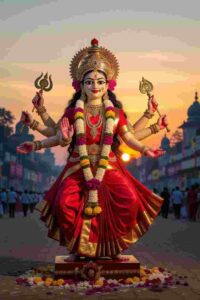
Durga Puja 2025 in Japan: Indian Community Pandal & Aarti Timings
Planning Durga Puja 2025 in Japan? From intimate sarbojanin pandals to serene aarti in small mandirs and community halls, the festival has grown steadily across Tokyo, the Kansai region (Osaka–Kobe–Kyoto), Nagoya, and beyond. If you’re searching for Durga Puja 2025 Tokyo pandal schedules or want a city-by-city overview of Durga Puja Japan events, this guide maps out how to find official announcements, aarti windows, ticketing, venues, transit, food, and etiquette—so you can celebrate smoothly.
You’ll learn how pandals in Japan typically operate (indoor-first, family-friendly), where to track verified listings (Peatix, Eventbrite Japan, Facebook Events), how to pair temple aarti with cultural nights, and how to plan last trains, IC cards, and budget. We also include Google Maps searches to help you quickly locate halls and temples near you.
- Table of Contents
- Key dates and muhurat for 2025 (Japan)
- What Durga Puja looks like in Japan (format & rules)
- Where to celebrate: Tokyo & Kanto region
- Kansai (Osaka–Kobe–Kyoto) guide
- Nagoya & Tokai region guide
- Other hubs: Yokohama, Saitama, Fukuoka, Sapporo, Hiroshima
- Temple aarti and satsang options (Japan-wide)
- Tickets and registrations (how to book smart)
- Transit, last trains, and IC card tips
- Food, bhog, and Indian districts
- Ritual flow: Saptami to Dashami (with tips)
- Itineraries for families, students, and visitors
- Budget planner (realistic JPY costs)
- Etiquette, hall rules, and photography
- Accessibility and kid-friendly planning
- For organizers, sponsors, and stalls
- Key statistics with sources
- Featured snippet: plan your Durga Puja in 7 steps
- Useful external resources
- Related internal guides
Key dates and muhurat for 2025 (Japan)
- Expected festival window (subject to local tithi):
- Sashthi: Saturday, 27 September 2025
- Saptami: Sunday, 28 September 2025
- Ashtami (incl. Sandhi Puja): Monday, 29 September 2025
- Navami: Tuesday, 30 September 2025
- Dashami (Vijayadashami): Wednesday, 1 October 2025
Organizers in Japan typically publish exact pushpanjali and aarti timings 2–4 weeks before the festival. Always verify final schedules in the last week of September.
Additionally, headline cultural nights (music, dance, or Ramlila segments) often run on the adjacent weekends. Therefore, check both the preceding and following weekends around the main dates.
What Durga Puja looks like in Japan (format & rules)
Japan’s pandals are indoor-first and community-run. Expect:
- Morning: Puja preparations and pushpanjali on Saptami/Ashtami/Navami
- Afternoon: Bhog service (khichuri, labra, chutney, payesh) where permitted
- Evening: Sandhya aarti, dhunuchi naach (venue-permitting), cultural programs
- Dashami: Sindoor khela (for married women), farewell aarti, symbolic visarjan
Important notes:
- Open flames and smoke are tightly controlled indoors; many halls restrict dhuno smoke or any fire. Organizers often use low-smoke alternatives or move brief segments outdoors when allowed.
- Effigy burning (Ravan Dahan) and fireworks are generally not part of Japan’s Durga Puja format due to venue and safety rules.
- Japanese venues often require shoe removal or indoor shoes, quiet hours, and strict trash sorting (burnable/non-burnable/plastic bottles). Always follow hall staff and volunteer instructions.
Where to celebrate: Tokyo & Kanto region
Tokyo hosts the largest concentration of Durga Puja 2025 Japan events. Final announcements usually appear 3–6 weeks before the festival.
Event discovery (Tokyo/Kanto):
- Peatix search (Tokyo): https://peatix.com/search?q=durga%20puja%20tokyo
- Eventbrite Tokyo: https://www.eventbrite.com/d/japan–tokyo/durga-puja/
- Facebook Events (Tokyo): https://www.facebook.com/events/search/?q=durga%20puja%20tokyo
- Time Out Tokyo (events): https://www.timeout.com/tokyo/things-to-do
Common venue patterns:
- Community centers, school auditoriums, and municipal halls in 23 wards and nearby prefectures (Chiba, Saitama, Kanagawa). Halls around Edogawa/Koto/Chiba often attract families due to easy access.
Temple/mandir discovery and darshan pairing:
- ISKCON centers (locator): https://centers.iskcon.org/
- Map search: Hindu temple Tokyo — https://maps.google.com/?q=Hindu%20temple%20Tokyo
Planning tips for Tokyo:
- Book bhog coupons early for Ashtami/Navami—they tend to sell out.
- Many halls require indoor shoes or shoe covers; carry a lightweight pair in your bag.
- Expect bilingual (English/Japanese) signage; some cultural segments are in Bengali/Hindi with English summaries.
Kansai (Osaka–Kobe–Kyoto) guide
Kansai’s Bengali and Indian groups typically host sarbojanin Pujas in Osaka or Kobe, with devotees traveling from Kyoto, Nara, and Shiga.
Event discovery (Kansai):
- Peatix search (Osaka/Kobe/Kyoto): https://peatix.com/search?q=durga%20puja%20osaka
- Eventbrite Osaka: https://www.eventbrite.com/d/japan–osaka/durga-puja/
- Facebook Events (Kansai): https://www.facebook.com/events/search/?q=durga%20puja%20osaka
Temple/mandir discovery:
- Map search: Hindu temple Osaka — https://maps.google.com/?q=Hindu%20temple%20Osaka
- ISKCON center locator: https://centers.iskcon.org/ (filter Japan/Kansai if available)
Planning tips:
- Weekend sessions draw the biggest crowds; arrive 30–45 minutes early.
- Osaka Metro and JR West trains are reliable; confirm last trains, especially if you’re returning to Kyoto/Kobe.
Nagoya & Tokai region guide
Nagoya’s Indian community often organizes a full sarbojanin Puja in a community hall with pushpanjali, bhog, and an evening cultural show.
Event discovery (Nagoya):
- Peatix search (Nagoya): https://peatix.com/search?q=durga%20puja%20nagoya
- Eventbrite Nagoya: https://www.eventbrite.com/d/japan–nagoya/durga-puja/
- Facebook Events (Nagoya): https://www.facebook.com/events/search/?q=durga%20puja%20nagoya
Temple/mandir discovery:
- Map search: Hindu temple Nagoya — https://maps.google.com/?q=Hindu%20temple%20Nagoya
Planning tips:
- Tokai residents (Toyota City, Gifu) often attend Nagoya; consider carpooling or JR express lines for late returns.
Other hubs: Yokohama, Saitama, Fukuoka, Sapporo, Hiroshima
Durga Puja 2025 Japan events may pop up in:
- Yokohama/Kanagawa and Saitama (Kanto suburbs): family-friendly halls; easy rail back to Tokyo.
- Eventbrite Yokohama: https://www.eventbrite.com/d/japan–yokohama/durga-puja/
- Map search: Hindu temple Yokohama — https://maps.google.com/?q=Hindu%20temple%20Yokohama
- Fukuoka (Kyushu): smaller-scale pandals or bhajan evenings in rental halls.
- Peatix Fukuoka: https://peatix.com/search?q=durga%20puja%20fukuoka
- Sapporo (Hokkaido) and Hiroshima: occasional satsang/bhajan programs; check local expat groups.
- Facebook Events (city searches): https://www.facebook.com/events/
Because these cities host fewer large festivals than Tokyo/Kansai/Nagoya, announcements may arrive closer to the dates. Set alerts on event pages.
Temple aarti and satsang options (Japan-wide)
Temples and satsang groups often host Devi aarti, bhajans, and pravachans during Navratri and on Vijayadashami.
How to find aarti near you:
- ISKCON center locator (global): https://centers.iskcon.org/
- BAPS Global Network (Asia listings): https://www.baps.org/Global-Network.aspx
- Map searches by city (e.g., “Hindu temple Tokyo/Osaka/Nagoya/Sapporo”) to locate small mandirs or satsang venues.
Virtual darshan:
- Many diaspora families in Japan supplement hall programs with virtual aarti streams from India/Singapore/Thailand temples if local timings clash with work or the last train.
Tickets and registrations (how to book smart)
Some Durga Puja sessions are free with RSVP; others use paid day passes and bhog coupons.
- Shortlist your days
- Ashtami (29 Sep) and Navami (30 Sep) peak; secure these first.
- Use Japan’s go-to platforms
- Peatix (popular domestically), Eventbrite Japan, and Facebook Events pages.
- Read inclusions carefully
- Entry-only vs. entry + bhog coupon, reserved seating, re-entry, bag policy.
- Save everything
- QR codes (screenshots), venue name, room number, and gate instructions.
- Confirm on the day
- Check timing again in the morning—programs can shift slightly with tithi or hall constraints.
- Accessibility needs
- Message the organizer for elevator access, stroller parking, or aisle seats for elders 24–48 hours in advance.
Transit, last trains, and IC card tips
Japan’s transit is punctual—use it to your advantage.
- Route planning
- Google Maps Transit, Japan Travel by NAVITIME (app/web), or Jorudan (Norikae Annai) for last-train times.
- IC cards
- Suica/PASMO (Kanto), ICOCA (Kansai), TOICA (Tokai) work across most rail/bus/tram lines. Top up before evening events.
- City operators
- Tokyo Metro: https://www.tokyometro.jp/en/
- Toei Subway (Tokyo): https://www.kotsu.metro.tokyo.jp/eng/
- JR East (Kanto): https://www.jreast.co.jp/e/
- Osaka Metro: https://subway.osakametro.co.jp/en/
- JR West (Kansai): https://www.westjr.co.jp/global/en/
Driving and parking:
- Central-city parking is limited/expensive; suburban halls may offer coin parking. Arrive 30–45 minutes early.
Weather:
- Late September–early October is mild (cool evenings). Carry a compact umbrella and a light layer for the walk back to the station.
Food, bhog, and Indian districts
Food punctuates Japan’s Durga Puja—especially in neighborhoods with Indian groceries.
- Tokyo
- Nishi-Kasai/Edogawa and Koto/Chiba corridors are popular for Indian groceries, mithai, and vegetarian meals.
- Map search: Indian grocery Tokyo — https://maps.google.com/?q=Indian%20grocery%20Tokyo
- Yokohama/Kawasaki
- Scattered Indian eateries; check around Yokohama Station and Kawasaki for late bites.
- Osaka/Kobe
- Namba/Umeda (Osaka) and Sannomiya (Kobe) have clusters of Indian restaurants.
- Map search: Indian restaurant Osaka — https://maps.google.com/?q=Indian%20restaurant%20Osaka
- Nagoya
- Sakae and Nagoya Station areas for Indian eateries.
- Bhog etiquette
- Ask about allergens (nuts, dairy, gluten). Keep portions modest to reduce waste. Dispose of plates in marked trash categories (burnable/plastic/etc.).
Mithai tip:
- Pre-order kaju katli, rasgulla, and jalebi for Ashtami/Navami/Dashami evening pickup; popular shops sell out quickly.
Ritual flow: Saptami to Dashami (with tips)
A simple primer if you’re new or bringing kids.
- Saptami
- Invocation and first pushpanjali; evening cultural items begin.
- Tip: Arrive early for anjali; volunteers will guide you on the flower offering.
- Ashtami (with Sandhi Puja)
- Peak anjali crowds; bhog typically follows late morning/early afternoon.
- Tip: Book bhog coupons in advance; keep phone on silent.
- Navami
- Morning anjali and generous bhog; evening programs often host headline artists.
- Tip: Reserve seats or arrive 30–45 minutes early for family seating.
- Dashami (Vijayadashami)
- Sindoor khela (for married women), farewell aarti, symbolic visarjan.
- Tip: Be respectful with photos; avoid flash during aarti.
Curiosity corner: Is dhunuchi naach allowed indoors in Japan?
- Many halls restrict smoke. Organizers may use low-smoke dhunuchi or perform a short outdoor segment. Always follow ushers’ instructions.
Itineraries for families, students, and visitors
Tokyo family day (temple + pandal, ~6 hours)
- 10:30 AM: Darshan/aarti at a Tokyo mandir/satsang venue (confirm hours).
- 12:30 PM: Lunch in Nishi-Kasai or near your hall.
- 3:30 PM: Arrive at the pandal for pushpanjali and bhog.
- 6:30 PM: Sandhya aarti + cultural program; catch the second-last train home.
Kansai weekend plan (Osaka/Kobe)
- 11:00 AM: Late-morning anjali; secure bhog coupons.
- 1:00 PM: Bhog + tea with friends.
- 6:00 PM: Evening aarti and headline cultural show; check last trains to Kyoto/Kobe.
Nagoya afternoon & evening
- 2:30 PM: Pushpanjali and darshan.
- 5:30 PM: Light dinner near the hall.
- 7:00–9:00 PM: Cultural program; taxi or late JR back if needed.
Student budget plan (any city)
- Use IC cards; plan last trains with NAVITIME/Jorudan.
- Filter Peatix for free/low-cost entries; volunteer to meet people and learn the flow.
- Carry water, a snack, and a power bank to avoid queues at peak time.
Budget planner (realistic JPY costs)
You can celebrate meaningfully at any budget.
- Free to low-cost
- Temple aarti, pandal entry with RSVP, prasad.
- Typical spend: JPY 0–1,000 (donation + train fare).
- Mid-range (JPY 1,000–3,500 per person)
- Day passes, bhog coupons, reserved seating.
- Typical spend: JPY 2,000–4,500 (ticket + train + snack).
- Premium (JPY 4,500–10,000+ per person)
- VIP rows, headline artist nights, sponsor tables.
- Typical spend: JPY 5,000–12,000 (ticket + dinner + longer rail).
Case study: Tokyo couple under JPY 8,500
- Peatix ticket: JPY 2,000 x 2 = 4,000
- Trains (round trip): ~JPY 1,200–1,800 total (zones vary)
- Snacks/mithai: JPY 1,500–2,000
- Donation: JPY 500
Total: ~JPY 7,200–8,300
Keep a small “festival envelope” or prepaid card for tickets, bhog, and sweets to prevent budget creep.
Etiquette, hall rules, and photography
- Dress modestly and comfortably; bring indoor shoes if the hall requires.
- Phones on silent during aarti and pushpanjali.
- Ask before close-up photos; avoid flash in rituals and performances.
- Follow volunteers, queue systems, and trash sorting rules.
- Keep aisles clear; park strollers in designated zones.
- No open flames or fireworks in halls; follow venue fire safety at all times.
Contrarian note: You don’t need elaborate outfits to feel festive. Comfort plus color—and kindness—carry you through long days with joy.
Accessibility and kid-friendly planning
- Barrier-free access
- Many public halls in Japan are barrier-free with elevators and accessible restrooms. Confirm 24–48 hours in advance.
- Seniors and infants
- Choose aisle seats, arrive earlier, and plan quiet breaks during drums.
- Essentials kit
- Water, light shawl, wipes, indoor shoes, a small prasad container, and ear protection for sensitive kids.
Therefore, a quick message to the organizer the day before solves most access and seating questions.
For organizers, sponsors, and stalls
Japan’s halls have clear usage rules—align early.
- Sponsorship ideas
- Water stations, waste sorting booths, kid craft tables, and modest logos on brochures/stage backdrops per hall policy.
- Timeline
- 6–8 weeks out: Secure the hall; confirm capacity, quiet hours, trash policy, and shoe rules.
- 4–6 weeks out: Lock program flow; recruit volunteers for ushering/cleanup/bhog.
- 2–3 weeks out: Publish Peatix/Eventbrite page; finalize artwork (A3/A2 posters, QR offers).
- Event week: Reconfirm room numbers, signage, and last-train reminders; brief ushers on hall etiquette.
- KPIs
- Footfall, QR scans, volunteer sign-ups, and post-event feedback.
Key statistics with sources
- Japan’s foreign resident community includes a growing Indian population (tens of thousands), fueling diaspora-led cultural events such as Durga Puja. Source: Immigration Services Agency of Japan (foreign residents by nationality). https://www.isa.go.jp/en/basic_info/index.html
- October climate in major Japanese cities is mild, aiding indoor cultural programming with comfortable travel conditions. Source: Japan Meteorological Agency (Climate/Statistics). https://www.jma.go.jp/jma/indexe.html
- Final tithi and local puja windows are best verified via a reliable panchang and the organizer’s announcements. Source: DrikPanchang — https://www.drikpanchang.com/
These references explain why Durga Puja Japan events see solid attendance, early sell-outs for bhog days, and impeccable hall etiquette.
Featured snippet: plan your Durga Puja in 7 steps
- Confirm dates (Sep 27–Oct 1, 2025) and set city-specific muhurat on DrikPanchang.
- Search Peatix/Eventbrite/FB for “Durga Puja 2025 Tokyo/Kansai/Nagoya.”
- Shortlist a pandal for pushpanjali + bhog and a temple/satsang for aarti.
- Book tickets/bhog early; save QR codes, room numbers, and gate notes.
- Plan last trains; top up Suica/PASMO/ICOCA in advance.
- Pack indoor shoes, a light layer, water, and a small prasad container.
- Arrive 30–45 minutes early; follow volunteers, enjoy aarti, and share feedback.
Useful external resources
- Event discovery (Japan): Peatix — https://peatix.com | Eventbrite Japan — https://www.eventbrite.com/d/japan/durga-puja/ | Facebook Events — https://www.facebook.com/events/
- Transit and last trains:
- Tokyo Metro — https://www.tokyometro.jp/en/ | Toei Subway — https://www.kotsu.metro.tokyo.jp/eng/ | JR East — https://www.jreast.co.jp/e/
- Osaka Metro — https://subway.osakametro.co.jp/en/ | JR West — https://www.westjr.co.jp/global/en/
- Embassy/Consulate (community notices):
- Embassy of India, Tokyo — https://www.indembassy-tokyo.gov.in/
- Consulate General of India, Osaka-Kobe — https://www.indconskobe.in/
- Temple/mandir discovery: ISKCON centers — https://centers.iskcon.org/ | BAPS Global Network — https://www.baps.org/Global-Network.aspx
- Climate and safety: Japan Meteorological Agency — https://www.jma.go.jp/jma/indexe.html
Related internal guides
- Durga Puja 2025 Germany: Pandal Locations & Timings
- Dussehra 2025 in Saudi Arabia: Community Celebrations
- Durga Puja 2025 France: Pandal Locations & Paris Events
- Navratri 2025 in Europe: Garba & Temple Events Guide
- Navratri 2025 Bahrain Garba: Manama Temple Events
FAQ: Durga Puja 2025 in Japan
When is Durga Puja 2025 in Japan?
Sashthi is expected on Sep 27 and Vijayadashami on Oct 1, 2025. Always confirm local aarti windows in the final week of September.
How do I find Durga Puja 2025 Tokyo pandal announcements?
tart with Peatix (Tokyo), Eventbrite Tokyo, and Facebook Events search. Follow your Bengali association’s page for final timings and bhog coupons.
Will there be full bhog service?
Many pandals offer bhog on Saptami/Ashtami/Navami. Buy coupons early and check allergen labels. Portions are modest to minimize waste.
Are Ramlila and effigy burning part of Japan’s format?
Ramlila or Ramayana-themed segments appear in some cultural nights. Effigy burning and fireworks are generally not part of indoor Japan events due to hall rules.
Do I need tickets, or is entry free?
Both exist. Some sessions are free with RSVP; others charge day passes and separate bhog coupons. Read inclusions and bag policy before purchase.
Can beginners join pushpanjali?
Absolutely. Bring flowers and follow priest/volunteer instructions. If unsure, stand with volunteers for gentle guidance.
What should I wear and bring?
Modest festive wear, comfortable footwear, indoor shoes if required, water, light jacket, and a small prasad container.
How do I manage last trains?
Use Google Maps/NAVITIME/Jorudan for last departures. Aim to leave 15–20 minutes before your final connection.
Are halls accessible for wheelchairs and strollers?
Most public venues are barrier-free. Message organizers 24–48 hours ahead for aisle seats, elevator guidance, and stroller parking.
Can I volunteer or sponsor?
Yes. Contact the organizer via Peatix/Eventbrite or the association’s social page. Sponsorships must comply with venue rules (modest branding, no outdoor advertising).
Conclusion with CTA
Durga Puja 2025 in Japan brings devotion and community together—pushpanjali and aarti in calm indoor spaces, followed by lively cultural evenings. With smart planning—shortlisted pandals, confirmed aarti windows, early bhog coupons, saved maps, and last-train checks—you’ll enjoy a meaningful, stress-free celebration in Tokyo, Kansai, Nagoya, and beyond.
Want curated Durga Puja 2025 Tokyo pandal alerts and city-by-city Durga Puja Japan events in your inbox? Subscribe to our newsletter, bookmark this guide, and share it with friends. Which day are you most excited for—Ashtami anjali or Dashami sindoor khela?