Explore Republic Day 2026: history, significance & why Indians celebrate in UAE, plus how expats, students and professionals can mark the day respectfully.
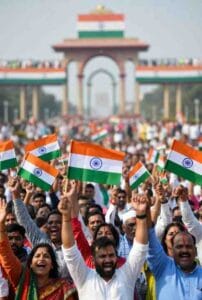
Republic Day 2026: History, Significance & Why Indians Celebrate in UAE
India’s Ministry of External Affairs (MEA) estimates that around 3.5 million Indians live in the UAE, making it one of the largest Indian communities anywhere in the world. You can see official data and reports about overseas Indians on the MEA website: https://www.mea.gov.in.
From labour camps in the industrial zones to high‑rise apartments on Sheikh Zayed Road, and from Indian schools in Abu Dhabi to universities in Dubai and Sharjah, millions of people here feel a pull towards one date each year: 26 January.
For them, Republic Day 2026: History, Significance & Why Indians Celebrate in UAE is not just nostalgia. It is about remembering how India became a republic, sharing that story with their children and friends, and thinking about democracy while living in a very different political system.
If you’re a professional, student or curious expatriate in the Gulf, you might be asking:
- What exactly is Republic Day, and how is it different from Independence Day?
- Why do Indians in the UAE still care so much about a constitution written in 1950?
- How is it marked here, and how can I join in respectfully within UAE laws?
This guide answers those questions in clear, simple language, with useful links you can actually click and explore.
Table of Contents
- What Is Republic Day 2026?
- How India Became a Republic: The Short History
- Republic Day vs Independence Day: What’s the Difference?
- What Republic Day Represents in 2026
- Indians in the UAE: Who They Are and Why They Matter
- Why Indians Celebrate Republic Day in the UAE
- How Republic Day Is Marked in the UAE in Practice
- How Non‑Indian Expats and Curious Students Can Engage
- 10‑Step Personal Plan for Republic Day 2026 in the UAE
- Frequently Asked Questions
- Conclusion: A Day of Thought, Not Just Ceremony
What Is Republic Day 2026?
Before diving into history, here’s the short, exam‑friendly answer to “Republic Day 2026: History, Significance & Why Indians Celebrate in UAE”.
Quick facts about Republic Day 2026
- What is it?
India’s national day celebrating the coming into effect of the Constitution of India. You can read the full Constitution (and the famous Preamble) on India’s official law portal: https://legislative.gov.in/constitution-of-india. - Date:
Every year on 26 January. In 2026, that’s Monday, 26 January 2026. - What happened on that day?
In 1950, India officially became a sovereign democratic republic. The new Constitution replaced many colonial‑era laws and removed the British monarch as India’s head of state. - What does “republic” mean here?
The head of state is elected (the President) rather than inherited. All state power is meant to flow from “We, the People of India” through the Constitution and elections, not from a royal family. - Is it religious?
No. Republic Day is a secular civic holiday. It belongs to all Indians, no matter their religion, caste, language or region. - Why is it celebrated?
To honour India’s democratic values, remember the freedom struggle, and reflect on the rights and duties of citizens today.
If you remember just one line: Republic Day marks the day India decided how it would govern itself, not just the day it became free.
How India Became a Republic: The Short History
To understand why Republic Day still matters—especially for Indians working and studying in the UAE—you need the basic story of how India went from colony to republic.
From British colony to independence
For nearly 200 years, large parts of the Indian subcontinent were under British rule. During this period:
- Major political decisions were made by British authorities, not by elected Indian representatives.
- The economy was largely organised to serve the British Empire, often at the cost of local industries and farmers.
- Indians faced racial hierarchy, restrictive laws and violent crackdowns on protests.
Resistance slowly grew into a national movement:
- Early petitions and reforms by Indian elites.
- Mass campaigns led by Mahatma Gandhi, such as the Non‑Cooperation Movement and the Salt March.
- Various revolutionary activities and regional struggles.
After World War II, with Britain weakened and Indian movements stronger, the decision to leave became unavoidable.
- On 15 August 1947, India became independent.
- At the same time, British India was partitioned into India and Pakistan, causing huge population movements and communal violence.
Independence Day (15 August) celebrates this freedom, but India still needed a Constitution and a clear system of government.
Why 26 January? The deeper story
The date 26 January was not chosen randomly. It goes back to events long before 1950.
- In December 1929, the Indian National Congress, led by Jawaharlal Nehru, met in Lahore (now in Pakistan).
- They passed the Purna Swaraj resolution, declaring that Indians would no longer accept anything less than complete independence from British rule.
- They declared 26 January 1930 as India’s first “Independence Day” and asked people to take a pledge for full freedom.
Although independence came much later, that date symbolised the desire for total self‑rule.
So, when India’s Constitution was ready after independence, leaders decided:
- To adopt the Constitution on 26 November 1949, and
- To make it come into force on 26 January 1950, in honour of that earlier pledge.
That is why Republic Day is celebrated on 26 January each year, including Republic Day 2026.
Drafting the Constitution: A huge democratic project
After independence, India formed a Constituent Assembly to write its own Constitution.
Important points:
- The Assembly first met in December 1946, even before independence.
- Members were chosen from different provinces, communities and political groups.
- They debated issues like:
- Fundamental rights and duties of citizens
- Separation of powers between Parliament, government and courts
- Rights of states versus the central government
- Protections for minorities, Scheduled Castes and Scheduled Tribes
The main drafting work was done by a smaller Drafting Committee, chaired by Dr B. R. Ambedkar—a lawyer, economist and social reformer who is now widely honoured as the chief architect of the Constitution.
Some striking numbers, from the Government of India’s law portal:
- The Assembly met for 166–167 days over nearly three years.
- The final English text of the Constitution ran to about 145,000 words, one of the longest written constitutions in the world. (source)
On 26 January 1950:
- The Constitution of India came into effect.
- India stopped being a dominion of the British Crown and became the Republic of India.
- Dr Rajendra Prasad was sworn in as the first President of India.
That is the historical moment at the centre of Republic Day 2026: History, Significance & Why Indians Celebrate in UAE.
Republic Day vs Independence Day: What’s the Difference?
Living in the UAE, you may hear Indians talk about both 15 August and 26 January. Here’s how they differ.
Independence Day – 15 August
- Celebrates 15 August 1947, when India became independent from British rule.
- Focus: the freedom struggle and end of colonial control.
- Symbol: lowering of the British flag and raising of the Indian tricolour.
- Emotion: joy, pride, relief, and memories of sacrifice and partition.
Republic Day – 26 January
- Celebrates 26 January 1950, when India’s Constitution took effect and it became a republic.
- Focus: democratic institutions, rights, duties and the rule of law.
- Symbol: India choosing its own system of government with an elected head of state.
- Emotion: pride in democracy, reflection on values like justice and equality.
You can think of it like this:
- Independence Day is the day a country says: “We don’t accept outside rule anymore.”
- Republic Day is the day it says: “Here is how we choose to run our own house.”
Both days are crucial, but Republic Day is more about the Constitution and institutions.
What Republic Day Represents in 2026
Republic Day is not just about marching soldiers on TV. In 2026, it’s a chance for Indians everywhere—including in the UAE—to ask big questions about democracy, rights and identity.
The Preamble: India’s mission statement
The Preamble at the start of the Constitution is like India’s mission statement. It declares that India is a:
“Sovereign, Socialist, Secular, Democratic Republic”
…and commits the state to securing for all its citizens:
- Justice – social, economic and political
- Liberty – of thought, expression, belief, faith and worship
- Equality – of status and opportunity
- Fraternity – assuring the dignity of the individual and the unity and integrity of the Nation
You can read the Preamble and the full text on:
https://legislative.gov.in/constitution-of-india
On Republic Day 2026, Indians and observers might ask:
- Are these promises being met for women, Dalits, minorities, farmers, workers?
- Where is India strong on liberty and equality—and where is it struggling?
- What role do citizens, media, courts and governments play in protecting these values?
Republic vs monarchy in a UAE context
The UAE is a federation of emirates, each ruled by a monarch (ruler), with a federal structure on top.
India is a republic, with:
- An elected Parliament.
- A Prime Minister as head of government.
- An elected President as head of state.
For Indians in the UAE, this contrast can be a useful learning point:
- They see daily how a monarchy‑based system can work and maintain stability.
- They also carry pride in coming from an electoral democracy where leadership is meant to change through votes.
Republic Day is a chance to talk about these differences respectfully, without assuming one is automatically “better”.
Why it matters now
In 2026, democracies worldwide face issues like:
- Online misinformation and hate speech.
- Political polarisation.
- Concerns about the independence of courts, media and electoral bodies.
Republic Day reminds Indians—and anyone interested—that:
- Democracies need active citizens, not just voters.
- Constitutions are tested in real‑life disputes, not just in legal textbooks.
- Values like justice, liberty and equality are ongoing work, not achievements to be ticked off once.
For Indians in the UAE, it’s also a moment to reflect on:
- How their rights and freedoms feel in India versus in the UAE.
- What they want to teach their children about both systems.
Indians in the UAE: Who They Are and Why They Matter
Understanding why Indians celebrate Republic Day in the UAE starts with knowing who they are.
A diverse diaspora
Indians in the UAE include:
- Construction workers and labourers in industrial areas.
- Taxi and delivery drivers, shop staff, restaurant workers.
- Nurses, technicians, office staff and teachers.
- Software engineers, bankers, consultants, doctors and lawyers.
- Senior executives, entrepreneurs and business owners.
- Schoolchildren and university students.
- Homemakers and dependants.
They come from nearly every Indian state and speak many languages. They practise Hinduism, Islam, Christianity, Sikhism, Jainism and more.
Despite this diversity, Republic Day is a rare event that:
- Belongs to all of them.
- Cuts across region, language and religion.
The India–UAE relationship
The India–UAE partnership is now considered a strategic relationship. You can see official statements on both governments’ sites:
- India’s MEA (India–UAE relations): https://www.mea.gov.in/
- UAE Government Portal: https://u.ae
Key points:
- The UAE is a major trade and investment partner for India.
- India is a big market for UAE oil and a growing investor in UAE projects.
- High‑level visits between leaders are regular.
- Indians in the UAE contribute significantly to both economies through work and remittances.
Because of this, Republic Day is not anti‑UAE in spirit. Many Indians use the day to:
- Celebrate India’s journey.
- Appreciate UAE’s role in their lives.
- Hope for strong, respectful ties between the two.
Why Indians Celebrate Republic Day in the UAE
Not all Indians celebrate in the same way, but some motives repeat across age, class and profession.
Emotional connection and memory
For first‑generation migrants:
- Republic Day recalls school parades, early morning assemblies and sweets.
- Watching the Delhi parade brings back a sense of belonging to the wider nation.
- Marking the day—even quietly—helps them feel that distance hasn’t broken their bond with India.
Ignoring the date can feel, to some, like ignoring part of their life story.
Teaching kids about India and democracy
Raising children in the UAE, many parents worry:
“Will my child understand India as more than just vacations, weddings and cricket?”
Republic Day gives them a reason to explain:
- Why India had to fight for freedom.
- What a constitution is and why rights are written down.
- How India is the world’s largest democracy with elections and courts.
Even a 10‑minute talk at home can plant seeds that shape how children see themselves as Indian and global citizens.
Good official starting points for older kids and teens include:
- Constitution overview on India’s national portal:
https://www.india.gov.in/my-government/constitution-india
Pride and comparison
Many Indians in the UAE feel proud that:
- India is both independent and a republic, with regular elections.
- People from their country have reached high positions globally.
Republic Day is a time to reflect on:
- Where India has succeeded in upholding its values.
- Where it has fallen short—and what role the diaspora can play in positive change.
Community building and support
Republic Day events often:
- Bring together Indian professionals, workers, students and families.
- Help recent arrivals find information, jobs or housing leads.
- Strengthen cultural organisations that offer language classes, legal guidance or charity work.
In a foreign country, these networks matter. Republic Day becomes a social glue, not just a patriotic performance.
Reflecting on colonial history and future hopes
For some Indians—especially students and younger professionals—Republic Day is also about:
- Thinking critically about British colonialism, empire and how it shaped India and the region.
- Asking how former colonies like India and countries like the UAE are navigating today’s global power structures.
- Dreaming about a future where both India and the UAE are fairer and more inclusive.
How Republic Day Is Marked in the UAE in Practice
So what do you actually see on and around 26 January 2026 in the UAE?
Embassy and consulate events
The main official ceremonies are run by:
- Embassy of India, Abu Dhabi – https://www.indembassyuae.gov.in
- Consulate General of India, Dubai – https://www.cgidubai.gov.in
Typical elements:
- Morning flag‑hoisting at mission premises.
- National anthem and reading of the President’s Republic Day address.
- Short speeches by the Ambassador or Consul General.
- Cultural performances when space and time allow.
Because security and space are limited:
- Some events are by invitation or pre‑registration.
- Details are announced on the sites and social media feeds above.
Even if you can’t go, these sites often post photos, videos and press releases you can follow.
Indian school programmes
Indian curriculum schools (CBSE, ICSE, state boards) across the UAE usually:
- Hold Republic Day assemblies on 26 January or the nearest school day.
- Hoist the Indian flag within school compounds.
- Have children perform songs, dances, skits and speeches.
Parents often:
- Send kids in neat uniforms or simple tricolour accessories.
- Take photos and share them with relatives in India.
For many children growing up in Dubai, Abu Dhabi or Sharjah, this becomes their main memory of Republic Day.
Community and cultural shows
Indian associations and cultural groups may:
- Hire auditoriums or community halls for Republic Day cultural nights.
- Invite local dignitaries, school groups and performers.
- Showcase regional dances, patriotic songs and short plays.
These events are usually publicised via:
- UAE‑based Indian newspapers and radio stations.
- Social media (Facebook, Instagram).
- Posters in Indian‑heavy neighbourhoods (Bur Dubai, Karama, Al Qusais, Al Nahda, parts of Sharjah).
Temples, gurdwaras and prayer halls
Places of worship seldom ignore Republic Day. Many:
- Include prayers for India’s peace, unity and progress during regular services.
- Host brief flag‑hoisting or anthem segments in courtyards or halls, following local regulations.
- Serve prasad, langar or shared meals afterwards.
Announcements are usually on:
- Temple/gurdwara websites and Facebook pages.
- Notice boards at the entrance.
Homes, buildings and workplaces
At a smaller scale, you’ll see:
- Families watching the Delhi parade on Doordarshan or YouTube.
- Official Doordarshan YouTube: https://www.youtube.com/user/DoordarshanNational
- Building‑level gatherings in common rooms (with permission), where neighbours share snacks and songs.
- Workplaces where Indian staff wear tricolour ties, scarves or badges and maybe organise a small talk or email explaining the day.
Together, these big and small actions form the living reality of Republic Day 2026 in the UAE.
How Non‑Indian Expats and Curious Students Can Engage
If you’re not Indian but live or study with many Indians in the UAE, Republic Day can be an eye‑opening learning opportunity.
Get the basics right
Know that:
- Republic Day is about India’s Constitution and democracy, not a religious rite.
- It’s emotionally charged for some because of colonial history and partition.
- For many Indians abroad, it’s a way to feel seen and connected in a foreign environment.
Attending an event respectfully
If you are invited to a school, community or consulate‑linked event:
- Dress respectfully—no need for Indian clothes unless you want to try them.
- Stand silently and respectfully during the Indian national anthem.
- Taste the food and enjoy the cultural performances.
- Listen to speeches without interrupting; save questions for later conversations.
Questions that open dialogue
You might ask:
- “What does Republic Day mean to you and your family?”
- “How is it different from India’s Independence Day?”
- “What parts of India’s Constitution are you most proud of—or worried about?”
Most people will appreciate your sincere curiosity, especially if you listen more than you talk.
10‑Step Personal Plan for Republic Day 2026 in the UAE
Here’s a simple 10‑step plan you can adapt, whether you’re Indian or not, student or professional.
- Read a short explainer
Spend 5–10 minutes on a trusted source explaining what happened on 26 January 1950. For example, skim the overview at india.gov.in. - Look at the Preamble
Read the Preamble on https://legislative.gov.in/constitution-of-india. Think about what justice, liberty, equality and fraternity mean in 2026. - Check official mission notices
Visit https://www.indembassyuae.gov.in (Abu Dhabi) and https://www.cgidubai.gov.in (Dubai) in early January 2026 for Republic Day announcements. - See what your local community is doing
Ask at your school, workplace, building, temple or gurdwara about Republic Day 2026 programmes. - Pick at least one event or livestream
Decide to attend one official, school, community event or livestream so you feel part of a larger community. - Plan a short home ritual
Set up a small India corner at home with a flag or image, play the anthem and share one sentence each about what India means to you. - Include children and friends
Let kids do crafts, read a poem or sing a song. Invite non‑Indian friends to join if they are interested. - Respect UAE rules and culture
Check building rules and UAE guidelines on gatherings and flags at https://u.ae. Keep celebrations indoors or in authorised spaces, with reasonable sound levels. - Call India
Use video or voice calls to connect with family or friends in India, exchange greetings and photos. - Reflect and act
After the day, think about what you learned. Decide on one thing—reading more, volunteering, voting, donating or starting a dialogue—that you will do before Republic Day 2027.
Even if you follow just a few steps, Republic Day 2026 will feel more thoughtful and less like just another date in your phone calendar.
Related Guides :
- Republic Day 2026: History, Significance & Why British Indians Celebrate
- Republic Day 2026 Celebrations Near Me UK: Events in London, Leicester & Birmingham
- Republic Day 2026 Canada: How to Celebrate in Toronto, Vancouver & Calgary
- Republic Day 2026: History, Significance & Why Canadian Indians Celebrate
- Republic Day 2026 Celebrations Near Me Canada: Events in Toronto, Brampton & Vancouver
Frequently Asked Questions
Is Republic Day a public holiday in the UAE?
No.
Republic Day (26 January) is a national holiday in India, but not in the UAE.
In the UAE, 26 January is normally a regular working and school day. That’s why:
- Embassy and consulate events are often held early in the morning, and
- Many school and community events shift to the nearest weekend.
Official information about holidays in the UAE is available on the government portal: https://u.ae/en/information-and-services/public-holidays-and-religious-affairs/public-holidays.
Why do Indians celebrate Republic Day if they live in the UAE?
Indians celebrate because:
- It keeps them connected to their heritage and family stories.
- It helps them teach children about India’s democracy and history.
- It’s a day to reflect on values like justice, equality and freedom, which matter wherever they live.
Most do not see this as a conflict with loyalty to the UAE. They feel they can respect and be grateful to both countries.
Is Republic Day a religious event?
No.
Republic Day is a secular national celebration. It’s about:
- The Constitution of India
- India’s status as a republic
- Civic values like democracy and equality
People of all religions—or no religion—celebrate it.
How is Republic Day different from India’s Independence Day?
- Independence Day (15 August) celebrates the end of British rule in 1947.
- Republic Day (26 January) celebrates the day in 1950 when India’s Constitution came into effect and it became a republic with an elected President.
So, Independence Day is about freedom from foreign rule, and Republic Day is about deciding how to govern that free nation.
Can non‑Indians attend Republic Day events in the UAE?
Generally, yes.
Most Republic Day programmes at Indian schools, community venues and some consulate‑linked events are open to non‑Indians, as long as they:
- Respect the anthem and flag.
- Follow any security and dress guidelines.
- Approach the event with an open, learning mindset.
If an event is restricted (for example, by invitation only), that will usually be made clear in the notice or invitation.
Where can I read the Constitution of India or learn more?
Good starting points include:
- Full text and Preamble on India’s official law portal:
https://legislative.gov.in/constitution-of-india - Simplified overviews and FAQs on the national portal:
https://www.india.gov.in/my-government/constitution-india - Educational explainers from think‑tanks and research groups such as PRS Legislative Research:
https://prsindia.org
Where can I learn more about Indians in the UAE and India–UAE relations?
You can explore:
- India’s MEA page and press releases on India–UAE relations: https://www.mea.gov.in
- UAE Government portal for information on life and law in the UAE: https://u.ae
Conclusion: A Day of Thought, Not Just Ceremony
Republic Day 2026: History, Significance & Why Indians Celebrate in UAE is ultimately about more than parade floats and WhatsApp greetings. It is about how a country that was once ruled from outside decided what kind of political home it wanted to build—and how that choice continues to shape lives in Dubai, Abu Dhabi, Sharjah and beyond.
For Indians in the UAE, the day is a bridge:
- Between India’s past and the UAE’s present reality.
- Between childhood memories of school assemblies and the adult responsibilities of expat life.
- Between pride in India’s achievements and concern about what still needs work.
For curious expatriates of other backgrounds, it offers a window into one of the world’s largest democracies and a deeper understanding of their Indian neighbours.
You don’t need a massive event to honour the day. A 10‑minute home ritual, a careful read of the Preamble, or a thoughtful conversation with colleagues can be powerful—if it helps you connect more honestly with what a republic and a constitution mean.
Your next steps:
- Choose at least one action from the 10‑step plan and commit to doing it on 26 January 2026.
- Share this guide with someone—Indian or not—who you think would like to better understand Republic Day and why it matters in the UAE.
What does being part of a democracy—or a republic—mean to you personally, in India, in the UAE, or in both?
Share your reflections and plans for Republic Day 2026 in the comments so others can learn from your perspective.