Explore Makar Sankranti 2026: Pongal & Uttarayan history, significance & why Indians celebrate, in a simple guide for students, professionals and curious Americans.
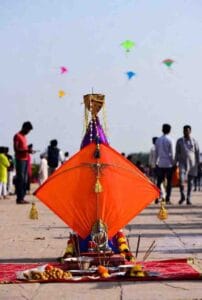
Makar Sankranti 2026: Pongal & Uttarayan History, Significance & Why Indians Celebrate
Every January, more than a billion people in and from India mark a cluster of festivals that all orbit the same moment in time: the Sun’s entry into Capricorn. In the north it’s called Makar Sankranti, in Tamil Nadu it’s Pongal, in Gujarat it’s Uttarayan, and in Punjab there’s Lohri the night before.
If you’re a student, professional or curious American, this can be confusing. Is it one festival or many? Religious or cultural? Harvest or horoscope? And what exactly will people mean when they talk about “Makar Sankranti 2026: Pongal & Uttarayan History, Significance & Why Indians Celebrate”?
This guide walks you through:
- Where Makar Sankranti, Pongal and Uttarayan come from
- What actually happens in 2026 (and when)
- Why so many Indians and Indian Americans care deeply about it
- How these festivals compare to traditions you may already know, like Thanksgiving or New Year
The goal is not to turn you into a priest or an astrologer, but to give you a clear, respectful, easy‑to‑follow explanation of one of India’s most important seasonal celebrations.
What Is Makar Sankranti, in One Simple Explanation?
The shortest answer:
Makar Sankranti is an Indian festival that marks the Sun’s move into Capricorn, the start of a brighter half of the year, and a time to thank nature for the harvest.
Breaking that down:
- Makar means “Capricorn” in Sanskrit.
- Sankranti means “transition” or “movement” from one zodiac sign to another.
- Together, Makar Sankranti is the moment the Sun moves from Sagittarius into Capricorn.
Because it’s based on the solar calendar (the Sun’s position), Makar Sankranti falls on a near‑fixed date each year: usually January 14 or 15. That’s unusual for Indian festivals; most are based on the lunar calendar, so their dates move around.
In 2026, most traditional Indian calendars (panchangs) place Makar Sankranti on mid‑January 2026 (around 14–15 January). Exact observance can vary slightly by tradition and location, so temples and communities will publish their specific timings closer to the date.
If you want to see how the Sun’s northward journey (Uttarayana) is defined astronomically, an accessible resource is:
- NASA’s basics on seasons and Earth’s tilt: https://spaceplace.nasa.gov/seasons/en/
Makar Sankranti is India’s way of marking that shift toward longer, sunnier days.
How Did Makar Sankranti Start? A Short History
Ancient roots: watching the sky
Long before modern astronomy, farmers and priests in India watched the Sun’s path very carefully. Their questions were practical:
- When will winter ease up?
- When should we sow and harvest?
- How do we plan around monsoon and dry seasons?
Over time, they noticed regular points in the Sun’s journey—the solstices, equinoxes and the times it appeared aligned with certain constellations. These became anchors for festivals.
Many scholars believe Makar Sankranti is an evolution of very old Sun‑worship and harvest traditions that got linked with:
- The idea of Uttarayana – the Sun’s six‑month northward journey
- The concept (in texts like the Bhagavad Gita, 8.24) that dying during the Sun’s northern path was spiritually auspicious
Textual references
Hindu scriptures and later texts refer to:
- Surya (the Sun) as a major deity, symbolising light, life and clarity.
- The Dakshinayana (southward) and Uttarayana (northward) journeys of the Sun as two halves of the cosmic year.
The festival of Makar Sankranti as we know it—til (sesame), jaggery, kites, holy dips—likely formed over centuries as:
- Agricultural rhythms
- Solar calculations
- Local customs
…all merged into one broad, pan‑Indian celebration of light, warmth and harvest.
If you’d like a clear, non‑technical overview of the Indian calendar and how solar and lunar systems combine, the Indian government’s national portal has a helpful introduction:
- https://www.india.gov.in/india-glance (search “Indian calendar” or “festivals”).
Pongal, Uttarayan, Bihu & More: Many Names, One Solar Moment
Here’s where it gets interesting for non‑Indians: the same solar event produces several different festivals, with distinct names and rituals.
Makar Sankranti (North, West, Central India)
- Common in states like Maharashtra, Uttar Pradesh, Bihar, Madhya Pradesh, Rajasthan.
- Focus on holy river baths, charity, tilgul (sesame‑jaggery sweets) and khichdi (rice‑lentil dish).
- People say things like “Tilgul ghya, god god bola” in Marathi (“Accept this sweet, speak sweetly”).
Pongal (Tamil Nadu)
- Four‑day festival centred on Thai Pongal, the main day.
- Signature ritual: boiling fresh rice and milk in a clay pot until it boils over—this is called “pongal” and symbolises overflowing abundance.
- Cows and bulls are decorated and honoured on Mattu Pongal to thank them for their role in farming.
- Homes feature beautiful kolam (rice flour designs) outside the door.
Uttarayan (Gujarat & parts of Rajasthan)
- Huge kite‑flying festival.
- Skies are filled with colourful kites; people compete to cut each other’s kite strings.
- Special treats include undhiyu (a mixed vegetable dish) and jalebi (sweet spirals).
Lohri (Punjab, usually the night before Sankranti)
- Celebrated on 13 January, often seen as the “eve” of Makar Sankranti.
- Families gather around a bonfire, singing Punjabi folk songs, throwing sesame, jaggery, groundnuts and popcorn into the flames.
- Traditionally linked to the end of the coldest part of winter and the arrival of longer days.
Magh Bihu / Bhogali Bihu (Assam)
- Harvest festival culminating in feasts, bonfires and prayers.
- People build temporary bamboo and thatch structures called meji, which are burnt in the morning.
Poush Sankranti (Bengal & Odisha)
- Marks the end of the Bengali month of Poush.
- Famous for sweets made with date palm jaggery, rice and sesame.
To an outsider, these can feel like dozens of separate festivals. But for many Indians, they are simply regional faces of the same underlying moment: the Sun’s northward turn and the gratitude for harvest and light.
Why Makar Sankranti 2026 (and Every Year) Still Matters
You might wonder: in the age of solar panels, skyscrapers and grocery stores, why do people still care about a harvest festival tied to the Sun entering Capricorn?
Seasonal reset & mental health
Even if you’re not a farmer, January can be tough:
- Short days
- Cold weather in much of the Northern Hemisphere
- Post‑holiday slump and back‑to‑school stress
Marking Makar Sankranti as the start of a brighter half‑year can feel psychologically helpful:
- A reason to come together in community
- A cultural “reset button” for habits and resolutions
- A reminder that the Sun is slowly but surely spending more time in the sky
Health & symbolism: why sesame and jaggery?
Many Makar Sankranti dishes use til (sesame seeds) and gur (jaggery). This isn’t random:
- Sesame is warm and rich in fats and minerals, considered good for winter.
- Jaggery (unrefined cane sugar) contains minerals and is believed to generate warmth.
So when people say, “Eat tilgul, stay warm, speak sweetly,” they are:
- Giving you a nutritional boost for winter, and
- Using food as a symbol for sweet speech and relationships
It’s a surprisingly modern combination: a little nutrition science plus emotional intelligence, wrapped in tradition.
Social bonding & giving
Makar Sankranti also emphasises:
- Charity – giving away food, clothes or money to those in need.
- Visiting relatives and neighbours.
- Repairing relationships—people often use this festival to forgive past misunderstandings and start fresh.
In that sense, it plays a role somewhat like Thanksgiving plus New Year’s resolutions plus a neighbourhood potluck.
Identity for the Indian diaspora
For Indians living outside India—whether in the USA, UK, Canada or the Gulf—Makar Sankranti, Pongal and Uttarayan:
- Help maintain a connection to heritage.
- Give children a way to feel proud of where their family comes from.
- Offer non‑Indian friends a window into Indian culture beyond Bollywood stereotypes.
This is why you’ll find kites in California, pongal in New Jersey, and tilgul in Texas apartments in mid‑January.
Why Pongal Matters: A Closer Look
For Tamil communities worldwide, Pongal is as big as, or bigger than, Diwali.
Four days of meaning
Pongal traditionally lasts four days:
- Bhogi Pongal – discarding old things, cleaning homes, symbolically burning negativity.
- Thai Pongal – the main day, offering freshly harvested rice to Surya (the Sun).
- Mattu Pongal – honouring and decorating cows and bulls.
- Kaanum Pongal – visiting family and friends, spending time outdoors.
The overflowing pot
During Thai Pongal, families:
- Place a clay pot on a fire with milk and newly harvested rice.
- Let it boil until it overflows, while everyone shouts “Pongalo Pongal!”
- This overflow is considered a sign of abundance and prosperity.
To a curious American, this might look like a very specific, detailed kitchen ritual. But symbolically it’s simple:
“May our lives overflow with enough food, joy and blessings—for us and for others.”
The Government of Tamil Nadu’s tourism site often has Pongal explainers and images:
- https://www.tamilnadutourism.tn.gov.in (search “Pongal festival”).
Why Uttarayan Matters: The Kite‑Filled Sky
In Gujarat, Uttarayan turns cities like Ahmedabad into a real‑life movie scene:
- From sunrise to sunset, thousands of kites fill the sky.
- People fly kites from rooftops, blasting music and sharing food.
- Special foods like undhiyu (a slow‑cooked mixed vegetable dish) and jalebi are prepared.
The kite is more than a toy here. It symbolises:
- Our desire to reach higher, while still being attached to the ground (like a person living between dreams and responsibilities).
- The letting go of past worries—cutting an old kite loose and sending it away on the wind.
One contrarian note: in India, concerns about:
- Injuries from glass‑coated kite strings (called manja), and
- Harm to birds
…have led to campaigns for safer, eco‑friendly kite flying. In most American cities, such dangerous string is banned already; only simple, safe kite flying is permitted.
If you’re used to disciplined American parks, Uttarayan videos can look wild. But beneath the colour and noise is a basic human joy: playing with the wind and light.
How Makar Sankranti Compares to American Traditions
To a curious American, here’s one way to frame it:
- Like Thanksgiving, Makar Sankranti and Pongal are about harvest and gratitude, with special foods and family gatherings.
- Like New Year, they mark a fresh start, often linked to resolutions and symbolic letting go.
- Like Fourth of July (in terms of mood), Uttarayan kite festivals can feel like a summer‑style celebration—even though they occur in January.
Of course, the religious and cultural details differ, but the emotional functions—gratitude, renewal, community—are surprisingly universal.
How Curious Americans Can Experience Makar Sankranti, Pongal or Uttarayan
If you live in a city with a sizable Indian population, you can often:
- Visit a Hindu temple during mid‑January; many welcome visitors and may have festival explanations on their bulletin boards or websites.
- Attend a university South Asian students’ association event.
- Check local event listings or platforms like Eventbrite by searching “Makar Sankranti”, “Pongal”, or “kite festival” + your city.
Basic etiquette:
- Dress modestly if visiting a temple (covered shoulders and knees, remove shoes where required).
- Follow instructions about where you can sit, stand or take photos.
- If offered prasad (blessed food), you can accept it with your right hand; it’s a sign of respect and inclusion.
The Hindu American Foundation has general resources for understanding Hindu practices in an American context:
10‑Step Personal Plan for Makar Sankranti 2026
Whether you’re Indian, Indian‑American or simply curious, here’s a simple 10‑step plan to engage with Makar Sankranti 2026: Pongal & Uttarayan History, Significance & Why Indians Celebrate.
- Learn the basics (10–15 minutes)
- Read a short article or watch a video explaining Makar Sankranti, Pongal and Uttarayan.
- Use reliable sites like India’s national portal: https://www.india.gov.in (search “Makar Sankranti”).
- Mark the date in your calendar
- Add a note around January 14–15, 2026 with “Makar Sankranti / Pongal / Uttarayan”.
- Try one traditional food
- Make or buy tilgul, chikki, pongal, undhiyu, or any festival dish.
- Use it as a talking point with friends or family.
- Watch a kite or Pongal video
- On YouTube, search for “Uttarayan kite festival Gujarat” or “Pongal celebration Tamil Nadu”.
- Notice common elements: Sun, food, community, colour.
- Talk to an Indian friend or colleague
- Ask them how they celebrated as kids.
- Listen for stories that surprise you—often they’re about simple joys, not just rituals.
- Attend one community event (if possible)
- Visit a temple open house, campus event or public kite festival.
- Go with the goal of learning, not judging.
- Reflect on your own traditions
- Compare Makar Sankranti with holidays you already observe.
- Ask: “What do we do in my culture to mark new seasons, harvests or light returning?”
- Share what you learn
- Tell a friend, write a blog post, or share a respectful social media story about what you discovered.
- Consider a small act of giving
- Since Sankranti emphasises charity, donate money, food or time to a cause you care about.
- It doesn’t have to be Indian or religious; the key is the spirit of sharing.
- Plan one deeper step for next year
- Maybe read more history, learn a regional language song, or travel to a festival someday.
- Write it down so it becomes a real intention, not just a nice idea.
Related Guides :
- Republic Day 2026 Celebrations Near Me UAE: Events in Dubai, Abu Dhabi & Sharjah
- Makar Sankranti 2026 USA: How to Celebrate in California, Texas & New York
- Republic Day 2026 UAE: How to Celebrate in Dubai, Abu Dhabi & Sharjah
- Republic Day 2026: History, Significance & Why Indians Celebrate in UAE
- Republic Day 2026: History, Significance & Why British Indians Celebrate
Frequently Asked Questions
1. When is Makar Sankranti in 2026?
Most traditional Indian calendars place Makar Sankranti in mid‑January 2026 (around January 14–15).
Because it’s a solar event, the exact date and time can vary slightly by tradition and by your local time zone. Temples and Indian community organisations in your area will announce their specific observance dates closer to January 2026.
2. Are Makar Sankranti, Pongal and Uttarayan the same festival?
Yes and no.
- They are all linked to the same solar event—the Sun’s entry into Capricorn and the start of Uttarayana.
- They share core themes of harvest, gratitude, light and community.
- But they have very different regional rituals, foods and names.
Think of them as three (or more) local versions of a larger idea, much like different American regions might celebrate the end of harvest season with distinct traditions.
3. Is Makar Sankranti only a Hindu festival?
Makar Sankranti has strong roots in Hindu solar and agricultural traditions, but:
- Many people who are culturally but not religiously Hindu celebrate it as a seasonal and family festival.
- In some regions, people of other religions also enjoy parts of it (for example, kite flying or sharing sweets) as a cultural event.
So while its foundation is Hindu, its cultural reach is broad, especially in diverse societies like India and the Indian diaspora.
4. Why doesn’t the date move around like Diwali or Holi?
Because Makar Sankranti is based on the Sun’s position (solar calendar), not only on the Moon’s phases (lunar calendar).
- Solar‑based festivals are relatively stable in the Western calendar.
- Lunar‑based festivals shift each year.
Over centuries, because of tiny astronomical shifts, Sankranti’s date has moved from around January 12 to January 14–15, and may slowly move further in the distant future—but in a human lifetime it feels almost fixed.
5. How do people who don’t farm anymore relate to a harvest festival?
Just as Americans who don’t farm still celebrate Thanksgiving, Indians who live in cities or abroad still celebrate harvest festivals like Makar Sankranti and Pongal.
They may interpret “harvest” more broadly as:
- The results of your work and studies
- The food and security you benefit from, even if someone else grew it
- A moment to be grateful for any kind of abundance in your life
6. Is Makar Sankranti about astrology or religion?
It has elements of:
- Astronomy – the Sun’s apparent movement relative to Earth’s orbit.
- Astrology – traditional beliefs about zodiac signs and auspicious timings.
- Religion – rituals, prayers and offerings.
- Culture – food, clothing, music, games and community.
Different families and communities emphasise different parts. Some focus mainly on cultural and seasonal meanings, others on strict religious observances.
Conclusion: Why Makar Sankranti 2026 Is Worth Your Attention
At first glance, Makar Sankranti 2026: Pongal & Uttarayan History, Significance & Why Indians Celebrate might sound like a niche topic—something only Indian grandmothers and religious scholars care about.
But looked at more closely, it’s about questions that matter to everyone:
- How do we mark the turning of seasons and the return of light?
- How do we say thank you for food, family and community in a way that feels more than just words?
- How do we carry old stories and values into new places, like California, Texas, New York—or the UAE, Canada and beyond?
For Indians and Indian Americans, Makar Sankranti, Pongal and Uttarayan are living answers to these questions. For curious Americans, they offer a rich case study in how a culture uses festivals to process change, share gratitude and stay connected across continents.
You don’t need to fly a kite on a crowded rooftop in Gujarat or cook a perfect pot of pongal in rural Tamil Nadu to appreciate this. You can start with one sweet, one story, one conversation or one event in your own city.
What might your version of Makar Sankranti 2026 look like—whether you’re Indian, American, or both?
If you feel moved to share, your reflections can help others see beyond stereotypes and understand why this seemingly simple festival of Sun, rice, kites and sesame still matters so much today.