Find Makar Sankranti 2026 celebrations near me UK: kite flying & temple events in London, Leicester, Manchester and beyond, plus home ideas for British Indian families.
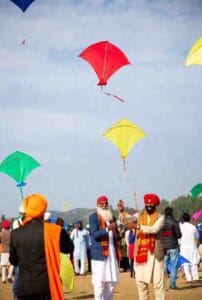
Makar Sankranti 2026 Celebrations Near Me UK: Kite Flying & Temple Events
In the 2021 Census, around 1.86 million people in England and Wales identified as Indian by ethnicity – roughly 3.5% of the population (Office for National Statistics). Add Indian‑origin children born in Britain and new migrants since then, and it’s clear that Indian festivals are now woven into everyday life across the UK.
Every January, lots of British Indians open Google or WhatsApp and start searching for “Makar Sankranti 2026 celebrations near me UK: kite flying & temple events”. They’re trying to answer very practical questions:
- Which mandir is doing a proper Makar Sankranti or Pongal puja this year?
- Is anyone organising a kite‑flying day like in Gujarat – and is it safe/legal in my local park?
- Are there Lohri or Pongal cultural shows we can take our kids to in London, Leicester, Manchester or nearby?
- If there’s nothing big near me, how do I still make the day feel special at home?
This guide is written for British Indian families, students and professionals who want concrete answers. You’ll discover:
- What Makar Sankranti is – and how Pongal, Uttarayan and Lohri fit together
- How celebrations usually work in UK cities (especially London, Leicester, Manchester)
- How to actually find “near me” kite flying & temple events using UK‑specific tools
- How to design a warm, meaningful Sankranti 2026 even if you’re short on time, money or sunshine
Makar Sankranti in a Nutshell (Plus Pongal, Uttarayan & Lohri)
Before looking at events, it helps to get the idea straight.
The core idea
Makar Sankranti marks:
- The Sun’s transition into Makara (Capricorn) in the Indian astrological system
- The symbolic start of Uttarayana – the Sun’s “northward journey”, associated with longer, brighter days
- A time to thank nature for the harvest, share sweet things, and let go of heaviness and negativity
It’s one of the few Indian festivals fixed to the solar calendar, so it almost always falls on 14 or 15 January in the UK.
Different names, same solar turning point
Around the same date, different regions celebrate in their own way:
- Makar Sankranti (North, West, Central India) – tilgul (sesame‑jaggery sweets), khichdi, river baths, charity
- Pongal (Tamil Nadu) – boiling freshly harvested rice and milk until it overflows, thanking Surya (Sun) and cows; kolam designs outside homes
- Uttarayan (Gujarat) – huge kite‑flying festival, with dishes like undhiyu and jalebi
- Lohri (Punjab, mostly the night before) – bonfire, folk songs, dance, sharing groundnuts and sweet treats
- Magh Bihu / Bhogali Bihu (Assam) and Poush Sankranti (Bengal, Odisha) – rice cakes, sweets, bonfires, community meals
In the UK, these often blur together. One weekend you might find:
- A Lohri function in a gurdwara,
- A Pongal event in a Tamil temple, and
- A generic “Makar Sankranti kite & food festival” run by a local Indian association.
They are all part of the same bigger story: Makar Sankranti 2026 celebrations near me UK: kite flying & temple events, and everything that goes with them.
When Is Makar Sankranti 2026 in the UK?
Because Makar Sankranti is solar, its date hardly moves in the Western calendar. For 2026, most traditional panchangs place it around 14–15 January 2026.
In practical UK terms:
- Temples and religious groups will mark Makar Sankranti/Pongal with special pujas on or very close to the astronomic sankranti time (adjusted for UK time).
- Kite festivals, Lohri shows and big community events will usually be scheduled for the nearest weekend so that:
- Kids don’t miss school
- People off work can attend
- Organisers aren’t fighting weekday evening traffic and darkness
So mentally, block off:
- Mid‑January 2026 (for actual sankranti and temple events), and
- The second or third weekend of January (for kite festivals and community nights)
Exact dates will appear on temple calendars and event pages as we get closer to January 2026.
Why Makar Sankranti Still Matters in the UK
Seasonal reset in a tough month
January in Britain is:
- Dark by mid‑afternoon
- Cold, often wet, occasionally icy
- A time when people feel post‑Christmas blues
Marking Makar Sankranti as the start of brighter days can:
- Lift moods in the middle of winter
- Give families and students something colourful to look forward to
- Provide a natural moment to reset habits and intentions for the year
Emotional connection to India
For many British Indians, Makar Sankranti brings back:
- Memories of rooftop kite battles in Ahmedabad or Jaipur
- Smell of boiling pongal or sakkarai pongal in Tamil Nadu
- Standing around a Lohri bonfire in Punjab or Delhi
- Eating tilgul and chikki in Maharashtra
Celebrating in London, Leicester, Manchester or Glasgow is a way to:
- Keep those memories alive
- Pass them on to children who may never have seen a real Indian Uttarayan sky
- Feel closer to relatives celebrating in India on the same day
Identity and visibility in British life
ONS stats show Indian origin communities are now highly visible in cities like:
- London
- Leicester
- Birmingham
- Manchester
Makar Sankranti 2026 celebrations near me UK – kite flying & temple events – allow British Indians to:
- Express cultural and religious identity confidently
- Show younger generations that their heritage is something to be proud of
- Participate in Britain’s broader story of being a multi‑faith, multicultural society
The Main Types of Makar Sankranti 2026 Events in the UK
When you go hunting for “Makar Sankranti 2026 celebrations near me UK: kite flying & temple events”, you’ll usually find these categories:
Temple & gurdwara events
Most Hindu temples and some gurdwaras in migrant‑dense areas will:
- Hold a special Makar Sankranti or Pongal puja
- Offer prasad (blessed food) like pongal, tilgul or sweets
- Decorate with kolam/rangoli, sugarcane, flowers and lamps
In some places you’ll also see:
- Lohri observed as a separate event (often 13 January) with kirtan, folk songs and a controlled bonfire if allowed.
Kite festivals (weather and council rules permitting)
Various Indian associations, Gujarati samajs, and even some temples organise:
- Kite‑flying days in local parks or large fields
- Food stalls selling Indian snacks and sweets
- Music, games, sometimes stalls for charity fundraising
Because of UK weather and by‑laws:
- These may be small and short, or sometimes moved to later in the year (spring/summer) but still branded “Uttarayan” or “kite festival”.
- Glass‑coated manja and metallic string are not allowed; only safe, kite‑grade string should be used.
For kite safety principles, the Kite Society of Great Britain is a useful reference:
Community & cultural programmes
Regional associations often hold:
- Pongal nights – with kolam competitions, pongal cooking demos, music and dance
- Lohri parties – bhangra, giddha, food and folk songs (with or without a bonfire)
- General “Harvest Festival” events mixing elements from different states
These usually take place in:
- School halls
- Community centres
- Hired church or council halls
School, college & workplace recognition
In areas with many Indian origin pupils or staff, you might see:
- School assemblies explaining Pongal, Lohri or kite festivals
- RE or PSHE lessons that use the festival to discuss seasons and culture
- University Indian societies hosting small gatherings or informational stalls
- Workplace multicultural networks organising “festival spotlights” or food tastings
Home‑based celebrations
For many British Indians, especially those living outside the main hubs, Sankranti is primarily a home festival:
- Simple puja and lighting diyas
- Cooking 1–2 traditional dishes and sharing them with neighbours or friends
- Video calls with family in India
Even if you never set foot in a kite festival or big temple, you can still have a rich, emotionally satisfying Makar Sankranti 2026 in your flat or house.
London: What “Near Me” Looks Like in Makar Sankranti 2026
London is vast and diverse. Instead of one massive city‑wide festival, you’ll probably find dozens of smaller events spread across neighbourhoods.
Indian hubs to watch
- Southall (Ealing) – heavy Punjabi, Sikh and North Indian presence
- Wembley, Harrow, Kingsbury – strong Hindu, Jain and Gujarati communities
- East Ham, Ilford – East London with significant South Asian and Tamil populations
In these areas, you’re more likely to see:
- Temple posters for Sankranti or Pongal pujas
- Gurdwara announcements for Lohri programmes
- Community centre flyers for harvest‑festival events
How to find London events
- City‑level “What’s On”
- Visit London: https://www.visitlondon.com
- Search for “Makar Sankranti”, “Lohri”, “Pongal”, or “kite festival” near mid‑January 2026.
- Temple and gurdwara websites
- For example, BAPS Shri Swaminarayan Mandir – https://londonmandir.baps.org
- Check events/calendars in January 2026.
- Event platforms
- Eventbrite UK: https://www.eventbrite.co.uk
- Use filters: location (London + your borough) and dates around 10–20 January 2026.
- Facebook & WhatsApp groups
- “Indians in London”, “Southall Community”, “Harrow Desis”, etc.
- Post: “Any Makar Sankranti / Pongal / Lohri events or kite days near [your area] this January?”
Sample London family plan
For a family living in Harrow:
Morning
- Short Sankranti puja at home; offer tilgul, pongal or khichdi to the deity.
- Visit a local temple (Sanatan Mandir, BAPS or others) for darshan and prasad.
Afternoon
- Lunch in Wembley or Southall, picking a restaurant from your home region (Gujarati, Punjabi, South Indian, etc.).
- Quick shopping for Indian groceries and sweets.
Evening
- Attend a nearby Lohri or Pongal programme if scheduled.
- Back home, show kids a short video of Uttarayan kites in Gujarat and explain how weather changes celebrations in the UK.
For a Central London student or professional:
- Pop into a temple after work or university; light a lamp, offer a small donation.
- Host or join a flat‑based gathering with 5–10 friends: one dish each plus songs, stories or games.
Leicester: Golden Mile & Beyond
Leicester is often described as Britain’s “Diwali capital”, but its Indian community is active throughout the year.
Where to look in Leicester
- Belgrave Road / Golden Mile – temples, sweet shops, sari stores and Indian restaurants
- Community halls used by Gujarati, Punjabi, Tamil and other groups
Finding events in Leicester
- Visit Leicester
- Official site: https://www.visitleicester.info
- Check “What’s On” around mid‑January 2026 for Indian events.
- Local temples & associations
- Many Gujarati Samaj and temples around Belgrave Road share Sankranti event details on:
- Their websites
- Facebook pages
- Many Gujarati Samaj and temples around Belgrave Road share Sankranti event details on:
- Regional groups
- Leicester Tamil associations: often host Pongal gatherings.
- Punjabi groups: Lohri cultural nights.
Sample Leicester day plan
For a family near Golden Mile:
Morning
- Temple visit for Makar Sankranti puja or darshan.
- Share tilgul or sweets with neighbours or family.
Afternoon
- Walk along Belgrave Road; buy chikki, tilgul or pongal ingredients.
- If there is a kite event in a nearby park and the weather is ok, attend for a short time with warm clothes.
Evening
- Attend an indoor cultural show (Pongal night, Lohri programme) if one is happening.
- Home time: children draw kites or kolam designs; adults chat about their Sankranti memories from India.
Manchester & Other UK Cities
Manchester has a smaller but growing Indian community, especially among students and young professionals. Other cities like Birmingham, Glasgow, Leeds, Cardiff also host Sankranti‑related events.
Manchester
To find “near me” events in Manchester:
- Check Visit Manchester: https://www.visitmanchester.com for cultural listings.
- Identify local temples and see if they announce Makar Sankranti or Pongal pujas.
- Join Facebook groups like “Indians in Manchester” and ask about 2026 plans.
Expect:
- Smaller temple‑based events
- University Indian societies hosting informal Pongal or harvest‑festival nights
- Few, if any, large kite festivals in January due to weather – though summer kite events sometimes carry the Uttarayan flavour.
Birmingham & Midlands
Birmingham and surrounding areas (Wolverhampton, Coventry, etc.) have large South Asian populations. Look for:
- Temple and gurdwara events for Pongal, Sankranti and Lohri
- Community centre functions featuring bhangra, folk songs and food
Use:
- Visit Birmingham: https://visitbirmingham.com
- Local council WhatsApp groups and community socials
Scotland, Wales & beyond
In cities like Glasgow, Edinburgh, Cardiff, you’ll usually find at least:
- One or two Hindu temples running Makar Sankranti puja
- Student‑led Indian society events around mid‑January
Kite events are rarer because of climate and space, but indoor cultural and food‑based gatherings compensate.
Kite Flying in the UK: Safety, Weather & Law
If you’re chasing “Makar Sankranti 2026 celebrations near me UK: kite flying & temple events”, take kite safety seriously.
No manja, no metallic string
The glass‑coated string (manja) used in parts of India is:
- Dangerous to people and animals
- A risk to cyclists and motorcyclists
- Capable of damaging power lines
In the UK, such string is inappropriate and can fall foul of local laws and general safety regulations. Use only:
- Proper kite‑grade cotton or synthetic string, as sold by reputable kite shops or event organisers.
For safe kite guidance, see:
- The Kite Society of Great Britain – https://www.thekitesociety.org.uk
Check local rules
Before organising or joining a kite festival:
- Check your local council’s park and open space rules on their official website.
- Avoid flying near:
- Roads and motorways
- Power lines and railways
- Airports or airfields
If in doubt, attend events run by:
- Established Indian associations
- Kite clubs
- Council‑approved community groups
They are more likely to have risk assessments and permissions in place.
Dress for British January
Even if a kite event is scheduled, the weather might be:
- Windy, bitterly cold, or wet
- Totally unsuitable for long outdoor sessions
Plan:
- Layers, gloves, hats and waterproofs
- Short bursts of flying rather than long marathons
- Warm food and drinks (thermos of chai!) to keep everyone comfortable
Designing Your Own Makar Sankranti 2026 Day Plan
Once you know what’s happening near you, choose how you want your day to feel.
For families with children
- Pick one main outside activity (temple visit or community event) and one home‑based ritual.
- Avoid overscheduling; kids get cold and tired quickly in January.
Possible schedule:
- Morning: temple puja & prasad.
- Afternoon: warm meal at home or an Indian restaurant.
- Evening: 60–90 minutes at home for stories, songs, crafts and a video call to grandparents.
For students & flat‑shares
- If campus or city events exist, attend the one that feels most “you” (temple, pongal night, Lohri function).
- If not, create a flat Sankranti with:
- One dish per person
- Basic decor (paper kites, rangoli)
- Shared stories of what mid‑January meant in your childhoods
For very busy professionals
- Aim for a minimum viable Sankranti:
- 10–15 minute home ritual (lamp + tilgul or pongal offering)
- A quick stop at a nearby temple before/after work if possible
- A video call with family in India
You can still attend a bigger event on the weekend; don’t pressure yourself to do everything on one weekday.
10‑Step Checklist: Makar Sankranti 2026 Celebrations Near Me UK
- Block the time
- Mark mid‑January 2026 and the nearest weekend in your calendar as “Sankranti time”.
- List local temples & Indian hubs
- Note Web/Facebook pages for nearby mandirs, gurdwaras and Indian associations.
- Scan their January 2026 events
- Look for pujas, Pongal offerings, Lohri and potential kite festivals.
- Check city guides & Eventbrite
- Use Visit London/Leicester/Manchester and Eventbrite to find larger public events.
- Ask your community
- Post in relevant Facebook/WhatsApp groups for “near me” Sankranti/Pongal/Lohri/kite events.
- Pick one main outing
- Choose the event that best fits your budget, travel range and family energy.
- Plan a home ritual
- Decide what you’ll cook, how you’ll decorate, and who will do what (puja, stories, crafts).
- Prepare for UK weather & rules
- Check forecasts (Met Office: https://www.metoffice.gov.uk) and any park or council rules for kites.
- Invite & include
- Involve children, elders and perhaps a few non‑Indian friends; keep numbers manageable.
- Reflect & record
- After Sankranti, note what worked, what didn’t and what you want to repeat or change in 2027. Save a few photos and recipes to build your own British‑Indian tradition.
Related Guides :
- Makar Sankranti 2026 UK: How to Celebrate in London, Leicester & Manchester
- Makar Sankranti 2026: Pongal & Uttarayan History, Significance & Why Indians Celebrate UK
- Makar Sankranti 2026 Celebrations Near Me USA: Kite Flying & Temple Events
- Makar Sankranti 2026: Pongal & Uttarayan History, Significance & Why Indians Celebrate
- Makar Sankranti 2026 USA: How to Celebrate in California, Texas & New York
Frequently Asked Questions
Is Makar Sankranti a public holiday in the UK?
No.
Makar Sankranti, Pongal, Uttarayan and Lohri are not UK public holidays. Most schools and workplaces operate normally on those days. Celebrations happen mainly:
- In the evenings, and
- On the nearest weekend.
Are kite festivals legal in the UK?
Kite flying itself is generally legal in suitable open spaces, but:
- Many councils have specific rules about where and how you can fly kites.
- You must not endanger traffic, power lines, wildlife or aircraft.
- Dangerous string (glass‑coated or metallic) should never be used.
Always check your local council website and follow guidance from reputable kite and community organisations.
Do I have to be Hindu to attend temple or Sankranti events?
No.
Most Hindu temples and Indian community groups in the UK:
- Welcome visitors of all backgrounds.
- Are happy for non‑Hindus to observe and learn, as long as they are respectful.
Basic etiquette:
- Dress modestly and remove shoes when asked.
- Don’t enter inner sanctums without guidance.
- Avoid taking photos of people or deities without permission.
How do I explain Makar Sankranti to my non‑Indian friends or my child’s school?
You might say:
“It’s an Indian harvest and Sun festival in mid‑January. We mark the Sun’s move into Capricorn, celebrate the days gradually getting longer, and thank nature for food. Different regions call it Makar Sankranti, Pongal, Lohri or Bihu and have their own customs like kites, bonfires or special foods.”
You can share:
- A short article from https://www.india.gov.in
- A brief YouTube clip of kite festivals in Gujarat or Pongal in Tamil Nadu (from reputable channels)
What if nothing is happening near me?
If there are no obvious Makar Sankranti 2026 celebrations near me UK: kite flying & temple events, you can still:
- Hold a small celebration at home with puja, food and family/friends.
- Visit the nearest temple just for darshan and a short prayer.
- Join an online event or watch a live stream from India.
- Plan a bigger trip to London, Leicester or another hub in a future year.
A heartfelt 60–90 minutes at home can sometimes mean more than a hectic day trip to a crowded event.
Conclusion: Building Your Own British‑Indian Sankranti
Makar Sankranti 2026 celebrations near me UK: kite flying & temple events is more than a search term. It’s a sign that British Indians across the country are:
- Trying to keep alive the joy of kites, pongal, tilgul and bonfires
- Teaching children that their heritage is alive and adaptable, not frozen in the past
- Looking for ways to bring light, gratitude and community into the darkest part of the British year
You may not have blue Gujarati skies or Tamil village fields. But you do have:
- Mandirs, gurdwaras, community halls and parks
- British streets where kolam and rangoli sometimes appear on front steps
- Living rooms and student kitchens that can hold both Indian flavours and British realities
You don’t have to do it “perfectly”. Start small: one temple visit, one kite, one bowl of pongal or tilgul, one story or call to India. Over time, those small actions will become your own British‑Indian Sankranti tradition, one your children and friends will remember long after 2026.
What do you want your Makar Sankranti 2026 in the UK to look and feel like—and which two or three actions from this guide will you commit to now to make that real?