Find Makar Sankranti 2026 celebrations near me USA: kite flying & temple events, plus community programmes and home ideas for Indian Americans across the country.
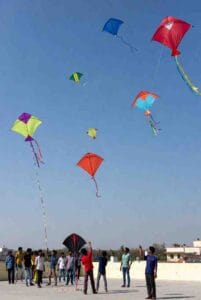
Makar Sankranti 2026 Celebrations Near Me USA: Kite Flying & Temple Events
Indian Americans are now one of the fastest‑growing communities in the United States. Estimates from the Migration Policy Institute and Pew Research Center suggest there are more than 4.8 million people of Indian origin living in the U.S. (MPI, Pew).
Every January, a big slice of this community starts searching for “Makar Sankranti 2026 celebrations near me USA: kite flying & temple events”. They’re looking for:
- Places to fly kites like they did back in Gujarat or Rajasthan
- Temples doing Sankranti or Pongal puja
- Community halls hosting Pongal, Lohri or Bihu cultural nights
- Kid‑friendly events that fit around U.S. work and school schedules
If you’re an Indian American family, student or professional, this guide is for you. You’ll learn:
- What kinds of Makar Sankranti 2026 events you can expect in the U.S.
- How celebrations differ by region (California vs Texas vs New York & beyond)
- How to actually find kite flying and temple events near you
- How to plan a meaningful day even if there’s nothing big in your city
Use this as your planning playbook for Makar Sankranti 2026 in the USA.
What Makar Sankranti Means – and Why Kites & Temples Are a Big Deal
Makar Sankranti is one of the few Indian festivals based on the solar calendar. It marks the Sun’s transition into Makara (Capricorn) and the start of Uttarayana – the Sun’s six‑month “northward journey”.
Core ideas in simple terms
No matter where in India it’s celebrated, some themes stay the same:
- Season shift – symbolically, winter’s peak is over; longer, brighter days are coming.
- Harvest and gratitude – thanking the Sun, earth, cows, farmers and tools that bring food to the table.
- Light and letting go – moving from heaviness to lightness, both in weather and emotions.
That’s why:
- Kites matter – especially in Uttarayan (Gujarat):
- They celebrate open skies, wind and light.
- Cutting a kite string and letting it drift away often symbolises releasing past worries.
- Temples matter – in many regions, people:
- Visit temples for Surya (Sun) or Sankranti puja.
- Offer newly harvested rice, sugarcane, til (sesame) and jaggery.
- Take a holy bath in rivers back in India; in the U.S., this often becomes a symbolic shower + temple visit.
In the U.S., you rarely have access to the Ganga or Godavari, but you do have:
- Mandirs and gurdwaras in most big metro areas
- Parks and beaches for safe kite flying in many states
- Community associations that re‑create bits of Pongal, Sankranti and Uttarayan
That’s what this “near me” guide is about: connecting those dots where you live.
When Is Makar Sankranti 2026 in the USA?
Because Makar Sankranti is solar, it usually falls on January 14 or 15 each year.
For 2026, most Indian panchangs (traditional calendars) place Makar Sankranti on mid‑January 2026 (around 14–15 January).
In the USA, that means:
- Temples will observe the exact sankranti time in local time zones (they’ll post detailed timings).
- Public events (especially kite flying & cultural programmes) often move to the nearest weekend so that:
- Kids are free
- Office‑goers can attend
- Weather conditions are a bit safer to predict
So you may see:
- Temple events on the actual date (mid‑week), and
- Kite festivals & big gatherings the following Saturday/Sunday
Always check your local temple or organisation’s website or Facebook page for their specific 2026 schedule.
Types of Makar Sankranti 2026 Celebrations in the USA
When you search “Makar Sankranti 2026 celebrations near me USA: kite flying & temple events”, you’ll usually find a mix of:
Temple & religious events
Most Hindu temples in major U.S. cities do at least one of the following:
- Special Surya or Makar Sankranti puja
- Pongal offerings (boiled rice & milk) in Tamil temples
- Archana and abhishekam for main deities with seasonal items (sugarcane, til, jaggery, rice)
Temples to watch (examples; always check your local area):
- BAPS Shri Swaminarayan Mandirs in many states: https://www.baps.org
- ISKCON temples (Hare Krishna movement) nationwide: https://www.iskcon.org
Both organisations list festivals and events on their official sites.
Kite flying festivals
Many Indian associations and temples organize kite festivals in:
- School grounds
- Open parks
- Temple parking lots or fields (where allowed)
Features often include:
- Kites sold on site (usually safe, non‑metallic string – no glass‑coated manja)
- Food stalls with Indian snacks (chai, samosas, pav bhaji, undhiyu, jalebi, etc.)
- Bollywood and folk music
- Kid‑friendly games and competitions
Because manja (glass‑coated thread) is dangerous and often illegal in the U.S., these festivals use cotton or synthetic string and emphasize safety. The American Kitefliers Association has general resources on safe kite flying:
Cultural programmes and community nights
You might also find:
- Pongal nights with kolam competitions, traditional dress, and home‑cooked food.
- Lohri evenings with indoor or controlled bonfires (where permitted).
- Bihu or Sankranti cultural shows featuring dance and music from specific states.
These are often run by:
- State/regional associations (Tamil Sangam, Gujarati Samaj, Telugu Association, Bengali groups, etc.)
- India‑centric nonprofit and cultural groups
Campus and student events
At universities with big South Asian populations, Indian Student Associations (ISAs) may:
- Host Pongal potlucks
- Arrange indoor kite‑making activities
- Run educational events about harvest festivals
These are usually advertised on:
- Campus event calendars
- Instagram, Facebook and email lists of student groups
Home‑based celebrations
Finally, many Indian Americans:
- Do a simple puja at home
- Visit the local temple
- Join or organize a small kite flying session at a nearby park
- Share Sankranti or Pongal food with neighbours and colleagues
If your “near me” options are limited, home becomes your primary festival space—and that’s okay.
Regional Guides: What You’ll Likely See “Near Me”
Every U.S. region celebrates slightly differently. Here’s a broad map of what to expect so you can narrow down your Makar Sankranti 2026 celebrations near me USA: kite flying & temple events search.
West Coast: California & Pacific Northwest
California has one of the largest Indian populations. Expect:
- Bay Area (San Francisco/San Jose/Oakland region)
- Temples like Livermore Shiva‑Vishnu and Sunnyvale Hindu Temple doing special pujas.
- Indian associations hosting Pongal and Sankranti events in school auditoriums.
- Kite festivals in parks or temple grounds if weather allows.
- Southern California (Los Angeles/Orange County/San Diego)
- Artesia (Pioneer Boulevard) often becomes a hub for Indian festival shopping and food.
- Temples around LA & OC hold Pongal, Sankranti, and sometimes Lohri events.
- Some communities organise beach or park kite flying days.
Pacific Northwest (Seattle/Portland)
- Fewer big festivals than California, but temples and Indian groups:
- Celebrate Pongal and Sankranti indoors.
- Occasionally arrange kite days if the weather is dry and not too windy.
Texas & the South
Texas is now a major Indian‑American state.
- Houston
- Meenakshi Temple (Pearland) & other temples often host Pongal/Sankranti pujas.
- Community kite festivals may be held in large open grounds.
- Dallas‑Fort Worth
- Temples in Irving, Plano, Frisco, Allen host Sankranti events.
- DFW area often has kite festivals organised by Gujarati Samaj or Telugu associations.
- Austin/San Antonio & other southern cities (Atlanta, Raleigh, etc.)
- Look for temple‑based Sankranti programmes.
- Students at big universities (UT Austin, Georgia Tech, etc.) often host campus events.
East Coast: New York, New Jersey, DC, Boston
New York / New Jersey (NYC metro)
- Queens (Jackson Heights, Flushing) and Long Island:
- Temples host sankranti/pongal pujas.
- Indoor cultural programmes due to harsh winter.
- New Jersey (Edison/Iselin)
- Many temples and community halls along Oak Tree Road and beyond host regional harvest festivals.
- Kite flying is weather‑dependent; some groups still brave the cold for short events.
DC/Maryland/Virginia
- Temples in suburbs (Gaithersburg, Lanham, Fairfax, etc.) hold Sankranti and Pongal functions.
- ISAs at universities like UMD and George Mason may run student‑focused celebrations.
Boston & New England
- Smaller, but active: temples and Indian groups in Boston suburbs host indoor Sankranti and Pongal events.
- Outdoor kites are less common due to snow and wind, but possible on a clear day with warm clothing.
Midwest & Other Regions
In Chicago, Detroit, Minneapolis, Columbus, St. Louis, Denver and other cities:
- Hindu temples are the main hubs, often with help from regional associations.
- Given January weather, indoor pujas and cultural nights are more common than large explicit kite festivals.
- Where kite events happen, they are often short and combined with food and music to keep people warm.
Wherever you are, assume:
- Temple events are almost guaranteed in any city with a Hindu temple.
- Kite festivals are more common where:
- Parks/fields are available, and
- Weather is mild enough in January or people are willing to bundle up.
How to Find Kite Flying & Temple Events Near You (Step‑by‑Step)
Here’s a concrete method to go from “I have no idea what’s happening” to a list of events near me.
1. Start with your nearest temples
Use Google Maps and Yelp:
Search for:
- “Hindu temple near me”
- “Shiva temple [your city]”
- “ISKCON [your city]”
- “BAPS temple [your state]”
Then:
- Visit each temple’s website.
- Look for sections called “Events”, “Calendar” or “Festivals”.
- Check January 2026 around 14–18 for “Makar Sankranti”, “Pongal” or “Uttarayan”.
Temple websites aren’t always updated, so also:
- Follow their Facebook pages.
- Look at pinned posts or “Events” tabs.
2. Check national temple networks
Some large networks list events centrally:
- BAPS Shri Swaminarayan Sanstha – many mandirs in the U.S.:
- ISKCON (Hare Krishna) – global network of temples:
Go to “Centers” or “Locations”, find your nearest, then click through to their event pages.
3. Use event platforms
On Eventbrite and similar sites:
Search for:
- “Makar Sankranti 2026 [your city]”
- “Pongal 2026 [your city]”
- “kite festival Indian [your state]”
Filter by:
- Date range: mid‑January 2026 and the following weekend
- Distance: within 25–50 miles of your location
You’ll often find:
- Ticketed kite festivals
- Cultural shows
- Community dinners
4. Tap into Facebook & WhatsApp
This is where most real‑time “near me” info lives:
- Join Facebook groups like:
- “Indians in [Your City]”
- “[Your State] Desis”
- Regional groups (Tamil, Telugu, Gujarati, Punjabi, Bengali in [Your City])
Post a simple question:
“Hi everyone, does anyone know about Makar Sankranti / Pongal / kite flying events happening around [your area] for January 2026?”
For WhatsApp:
- Use existing groups (apartment complex, temple volunteers, kids’ classes, office teams).
- Ask the same question and people usually forward flyers or links.
5. University & school channels
If you’re a student or have kids:
- Check the Indian Student Association (ISA) or South Asian organisations on your campus.
- Follow their Instagram or Discord; they often post event flyers.
For kids’ schools:
- Ask in Indian parent WhatsApp groups if anyone’s school or community is organising a celebration or kite day.
Safety, Weather & Legal Tips for Kite Flying in the USA
Kite flying in India, especially during Uttarayan, can be intense and unregulated; in the U.S. it’s more controlled. Keep these in mind.
Avoid dangerous string (no manja)
In many parts of India, people use:
- Manja – glass‑coated thread
- Metallic string
These can:
- Cut people and animals
- Damage power lines
- Cause serious accidents
In the U.S., such strings are often illegal under local laws. Only use safe, manufacturer‑approved kite string.
The American Kitefliers Association gives guidance on safe flying:
Choose safe locations
- Stay away from power lines, trees, roads and airports.
- Pick open fields, large parks or beaches where local rules allow kites.
- Always read park signs; if in doubt, ask a park ranger or city office.
Dress for the weather
January can be:
- Cold and windy in New York, Chicago, Boston, etc.
- Mild but unpredictable in California and Texas.
For cold regions:
- Wear layers, gloves and hats.
- Take breaks indoors or in a wind‑sheltered space.
Respect local rules
Some parks or homeowners’ associations may:
- Ban kites entirely
- Restrict them to certain areas or times
A quick check on your city or county parks & recreation website can save you trouble. For general weather and safety alerts, use:
Designing Your Own Makar Sankranti 2026 Day Plan
Once you know what’s around you, choose how you want your Makar Sankranti 2026 celebrations near me USA: kite flying & temple events to feel.
Example 1: Family with school‑age kids
Morning
- Simple home puja; kids help with rangoli/kolam and setting up a small India corner.
- Visit the nearest temple for Sankranti/Pongal offerings.
Afternoon
- Rest, homework, or a short kite session at a nearby park if weather allows.
Evening
- Potluck with 2–3 family friends: each brings one dish (pongal, tilgul, chikki, khichdi, etc.).
- Kids do short performances or explain what they learned about the festival.
Example 2: University students sharing an apartment
Morning
- Quick Zoom or phone call to parents in India; show them your tiny kitchen setup.
Afternoon
- Attend a campus ISA or temple event, or do a simple archana at the temple.
Evening
- Host a small Sankranti hangout:
- Everyone wears something traditional or in harvest colours.
- Each person makes or brings one snack.
- Watch a short cultural video or play music from various Indian states.
Example 3: Busy professionals
Before work / on the weekend
- 10‑minute home ritual: light a lamp, say a short prayer or affirmation, eat a piece of tilgul.
After work
- Visit a temple if it’s on your route, or join an evening cultural programme.
- Share a short WhatsApp or Slack post with team‑mates (if appropriate) explaining the festival and maybe sharing a picture of a kite or sweet.
10‑Step Checklist for Makar Sankranti 2026 Celebrations Near Me USA
To summarise, here’s a quick checklist you can pin or screenshot.
- Mark the dates
- Note mid‑January 2026 (14–15) and the closest weekend in your calendar.
- List nearby temples
- Use Google Maps/Yelp to find mandirs and note their websites/social handles.
- Check temple/event calendars
- Look for “Makar Sankranti”, “Pongal”, “Uttarayan” in January 2026.
- Search Eventbrite and similar platforms
- Use location + festival keywords; filter by date and distance.
- Ask in community groups
- Post in Facebook/WhatsApp groups: “Any Sankranti/Pongal/kite events near [your area]?”
- Pick 1–2 main events
- Choose one temple or kite festival and one home‑based gathering or ritual.
- Plan food and supplies
- Decide what to cook, buy safe kites and string, get rangoli/kolam materials.
- Prepare for weather
- Check https://www.weather.gov and pack appropriate clothing.
- Invite and include
- Involve kids, roommates, neighbours and non‑Indian friends where possible.
- Reflect and document
- After Sankranti, note what you’d like to repeat or change in 2027; save photos and recipes.
Related Guides :
- Republic Day 2026 Celebrations Near Me UAE: Events in Dubai, Abu Dhabi & Sharjah
- Makar Sankranti 2026: Pongal & Uttarayan History, Significance & Why Indians Celebrate
- Makar Sankranti 2026 USA: How to Celebrate in California, Texas & New York
- Republic Day 2026 UAE: How to Celebrate in Dubai, Abu Dhabi & Sharjah
- Republic Day 2026: History, Significance & Why Indians Celebrate in UAE
Frequently Asked Questions
Is Makar Sankranti a public holiday in the USA?
No.
Makar Sankranti is a major festival in India and Nepal, but it isn’t a public holiday in the United States. Most schools and workplaces operate normally on that day.
That’s why many:
- Temple ceremonies happen before/after work hours or on the exact date, and
- Kite festivals and big cultural events occur on the nearest weekend.
How do I know if a kite festival near me is safe and legal?
Look for events that:
- Are organised by registered community organisations, temples or city parks departments.
- Clearly mention use of safe, non‑metallic, non‑glass‑coated string.
- Take place in designated parks or grounds.
Be cautious about:
- Informal gatherings advertised without permission from park authorities.
- People selling or promoting glass‑coated or metallic kite string.
If in doubt, contact the event organiser or check your city’s parks & recreation department website.
What do I wear to a Makar Sankranti or Pongal event in the U.S.?
There is no strict rule, but common choices include:
- Traditional Indian clothes (saree, salwar, kurta, lehenga, veshti, pavadai)
- Smart casual Western clothes in bright, festive colours
If it’s outdoors (kite festival):
- Prioritise weather‑appropriate layers and shoes.
- You can always add a small traditional touch (dupatta, scarf, jewellery) on top.
Can non‑Indians attend temple or community events?
In most cases, yes.
Temples and Indian associations in the U.S. are usually open to everyone. Non‑Indians are welcome as long as they:
- Follow basic etiquette (remove shoes where requested, dress modestly, don’t enter restricted inner sanctums without guidance).
- Are respectful during prayers or rituals.
- Ask questions politely and at the right time (not in the middle of an aarti).
If a specific event is invitation‑only, it will usually say so on the flyer or registration page.
How can I explain Makar Sankranti quickly to my non‑Indian friends?
You might say:
“It’s an Indian harvest and Sun festival in mid‑January. We celebrate the days slowly getting longer, thank nature for food, fly kites in some regions, and cook special dishes with sesame and jaggery.”
Or:
“It’s a bit like a combination of Thanksgiving (for food), New Year (fresh start) and a community kite festival.”
That simple explanation is often enough to spark interest and respect.
Conclusion: Build a “Near Me” Tradition That Feels Like Home
Makar Sankranti 2026 celebrations near me USA: kite flying & temple events isn’t just a search query. It’s a sign that Indian Americans everywhere are trying to:
- Keep their connection to India’s seasons and stories
- Give their children memories that blend kites, pongal, tilgul and American parks and temples
- Create a sense of home that stretches from Ahmedabad rooftops and Tamil villages to Texas fields and California beaches
You don’t have to attend the biggest kite festival or the most crowded temple event to “do it right.” You only need:
- One or two well‑chosen community or temple activities
- A simple yet sincere home ritual
- Time to talk, cook, share and maybe fly a kite with people you care about
Start planning now, while January 2026 still feels far away. By the time the Sun reaches Makar (Capricorn) and Uttarayan begins, you’ll be ready—not just with an event ticket, but with a personal way to mark the light returning in the place you now call home.
What kind of Makar Sankranti 2026 tradition do you want to begin this year—for yourself, your family, or your friends in the U.S.?